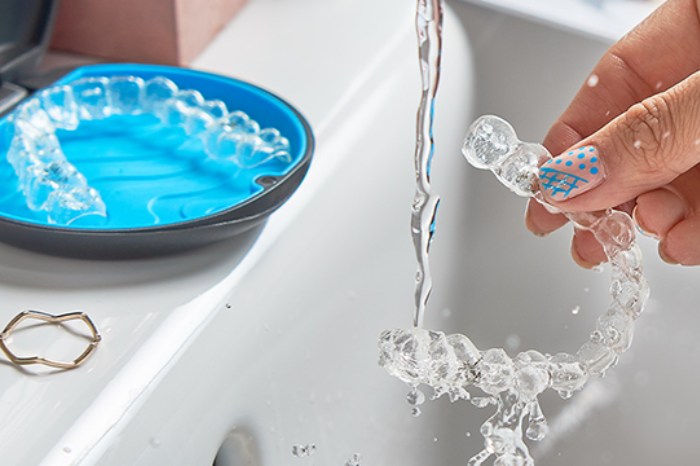
Can You Use Denture Cleaning Tablets on Retainers?
Published On:
December 15, 2025
ITS Dental Care Products
Keeping orthodontic appliances clean is a massive headache for patients and a constant query for dental professionals. You invest significantly in a perfect smile, yet the simple act of daily maintenance often leads to confusion, bacterial buildup, and even damaged appliances.
Imagine the frustration of ruining a costly retainer simply because you used a cleaner that was too harsh. Chemical reactions can turn a crystal-clear aligner cloudy or brittle in weeks, forcing an expensive replacement and potentially setting back your orthodontic progress. Using the wrong product isn’t just a minor mistake; it is a financial risk.
Fortunately, there is a clear answer backed by manufacturing science. While denture tablets are powerful, specialized retainer cleaning solutions are the only way to ensure safety and longevity. This guide breaks down exactly why formulation matters and how to choose the right supply for your needs.
1. What Are the Critical Differences Between Dentures and Retainers?
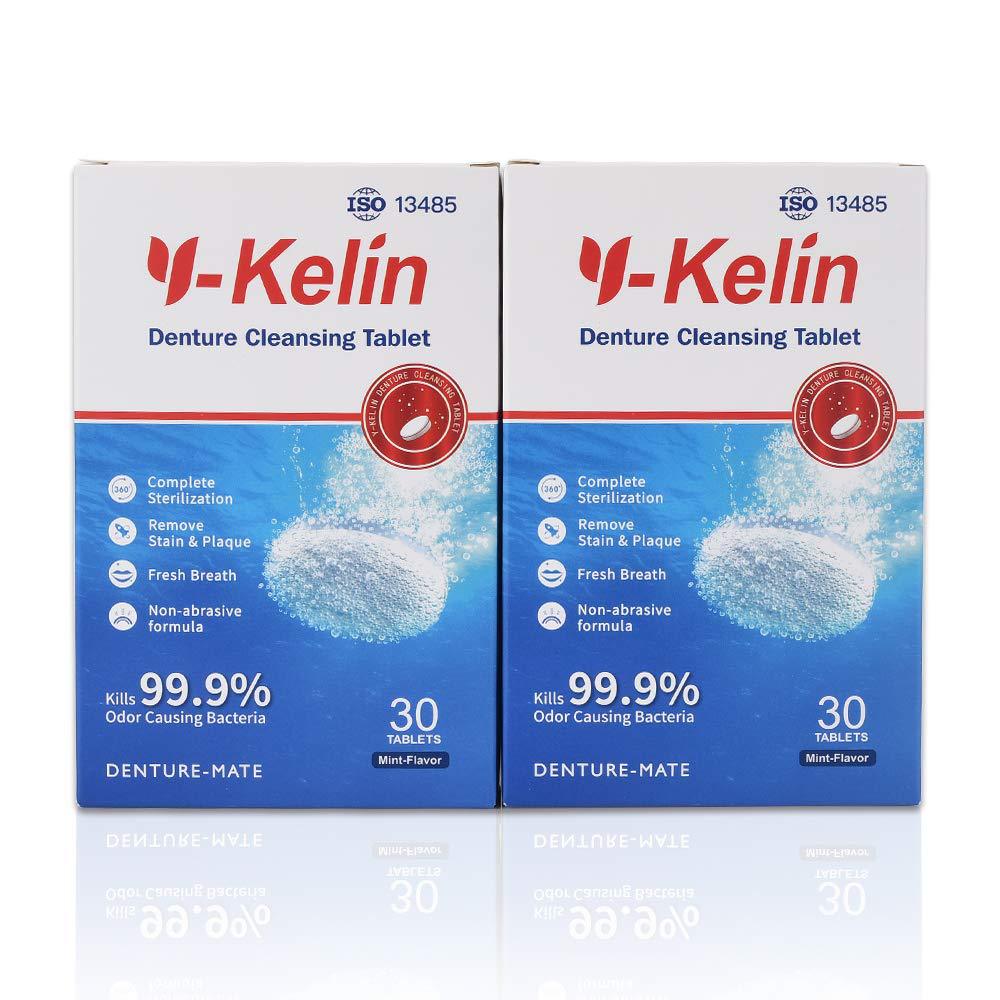
Many people assume all dental appliances are created equal, but this misconception leads to significant damage. Dentures and retainers are engineered from fundamentally different materials designed for distinct oral environments. Dentures typically utilize robust acrylics (polymethyl methacrylate) and metal frameworks intended to withstand heavy chewing forces and replace missing gum tissue. They are thick, rigid, and chemically resistant.
Here is the deal: Retainers, specifically clear aligners like Essix or Vivera, are manufactured from thermoplastic polyurethane or copolyester. These materials are chosen for their transparency and flexibility, not their chemical hardiness. While dentures are built like a tank, retainers are more like a precise sports car windshield—strong but easily scratched or clouded.
Using a cleaner designed for heavy-duty acrylic on delicate copolyester is a recipe for disaster. Manufacturers like us at ITS Dental Care formulate products specifically for the target material. A denture cleaner focuses on bleaching stains from artificial teeth, whereas a Retainer Cleaner Tablet is balanced to sanitize without eroding the microscopic surface of the plastic. Understanding this material science is the first step in protecting your inventory or your personal appliance.
2. Why Do Retainers React Differently to Chemical Cleaners?
Chemistry plays a massive role in how cleaning agents interact with dental polymers. Denture cleansers often rely on strong oxidizing agents like sodium hypochlorite or high concentrations of persulfates to bleach away organic stains from food and coffee. While effective on porous acrylic, these harsh chemicals penetrate the matrix of softer retainer plastics.
You might be wondering why this matters if the retainer looks clean. The issue happens at a molecular level. Strong oxidizers can leach plasticizers out of the retainer material. Plasticizers are the components that give the retainer its slight flexibility, allowing it to snap over teeth without cracking. When these are stripped away, the retainer becomes brittle.
Furthermore, the pH balance of standard Denture Cleaner Tablets is often higher (more alkaline). Prolonged exposure to high pH solutions causes hydrolysis in thermoplastic polyurethanes. This chemical breakdown results in a foggy appearance that cannot be scrubbed off. For B2B buyers and clinics, recommending the correct chemical formulation is essential to prevent patient complaints about “low quality” retainers that are actually just victims of improper cleaning chemistry.
3. Does Using Denture Cleaner on Retainers Cause Damage?
The short answer is yes, damage is a very real possibility, though it may not be immediate. The damage typically manifests in two ways: aesthetic degradation and structural failure. Aesthetically, the “clouding” effect mentioned earlier turns an invisible appliance into a visible white plastic strip across your teeth. For patients who chose clear aligners for discretion, this defeats the entire purpose.
But here is the kicker: The structural damage is far more concerning. Abrasive agents found in some denture pastes or aggressive tablets create micro-scratches on the retainer surface. These scratches are not just cosmetic flaws; they act as breeding grounds for bacteria. Streptococcus mutans and Candida albicans thrive in these microscopic trenches where a toothbrush cannot reach.
Over time, a retainer cleaned with the wrong product becomes a bio-hazard. It smells worse because bacteria are trapped deep in the scratches, and it becomes weaker, eventually snapping under the pressure of insertion or removal. We constantly advise our partners that preserving the surface integrity of the device is as important as removing the plaque.
4. What Are the Warning Signs That Your Retainer Is Damaged?
Identifying damage early can save you from wearing a compromised device that might shift your teeth. The first sign is usually visual. If your once-clear retainer now has a milky or frosty look that does not wash off, chemical erosion has likely occurred. This is a permanent change in the plastic structure, not a surface stain.
This is where it gets interesting: Another major red flag is a persistent bad taste or smell, even immediately after cleaning. This suggests that the material has become porous or scratched, trapping sulfur-producing bacteria inside the plastic itself. No amount of surface scrubbing will remove an odor that is emanating from within the appliance structure.
Finally, check for “crazing”—tiny hairline cracks that look like a spiderweb inside the plastic. These often appear before a full break. If you notice the retainer feels looser or snaps in with less tension than before, the material may have lost its tensile strength due to chemical fatigue. Recognizing these signs helps you know when to switch to a gentler Retainer Cleaner Tablet and replace the current device.
5. Is Soaking in Water Enough to Keep Appliances Clean?
Many users, afraid of using chemicals, swing to the opposite extreme and use only water. While water is safe and won’t damage the plastic, it is completely ineffective at sanitizing. A retainer lives in the mouth, which is a warm, wet environment teeming with bacteria. Simply rinsing it with water removes saliva but leaves behind the biofilm.
Ready for the good part? You don’t have to choose between damage and dirt. Plaque biofilm hardens into tartar (calculus) which water cannot dissolve. Once tartar binds to the retainer, it creates a rough surface that irritates gums and accelerates bacterial growth. A study found that over 50% of retainers contain pathogenic bacteria, including MRSA, when not cleaned with a chemical agent.
Water alone does not break the cell walls of bacteria or dissolve the lipid bonds of plaque. You need a surfactant and an effervescent agent to physically lift debris and chemically neutralize pathogens. While we advocate for gentle cleaners, we strongly advise against the “water only” approach for anyone interested in serious oral hygiene.
6. What Are the Best Alternative Cleaning Methods for Retainers?
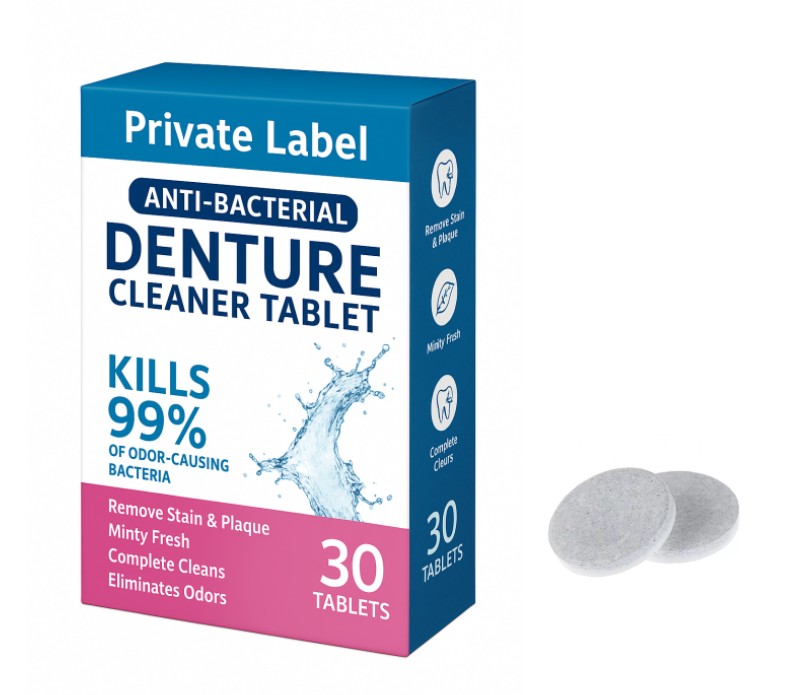
If denture tablets are too harsh and water is too weak, what is the Goldilocks solution? The industry standard is specialized retainer cleaning tablets. These are formulated with a lower pH and oxidizing agents tuned specifically for thermoplastics. They kill 99% of odor-causing bacteria without bleaching the plastic white.
Here is the secret: For a truly deep clean, Custom Ultrasonic Tablets paired with an ultrasonic cleaner are the pinnacle of hygiene. Ultrasonic devices use high-frequency sound waves to create cavitation bubbles. These microscopic bubbles implode on the surface of the retainer, blasting away tartar and debris from the tiniest crevices that a brush can’t reach.
Another valid alternative is mild, clear liquid soap. It contains surfactants to remove lipids and saliva but lacks the abrasives found in toothpaste. However, for B2B distributors, offering a branded, specialized tablet is always the superior recommendation as it ensures the patient uses the correct ratio of cleaning agents every time.
7. How Should You Properly Maintain Retainers Daily?
Consistency is the key to longevity. A sporadic deep clean cannot undo the damage of weeks of neglect. The ideal routine begins the moment you take the retainer out of your mouth. Never let saliva dry on the device; dry saliva forms a film that is incredibly difficult to remove.
What is the real story? The most effective routine is a “Soak and Brush” method. Immediately rinse the retainer under lukewarm water to remove loose debris. Then, submerge it in a solution made with a high-quality tablet for 15-20 minutes. This loosens the biofilm.
After soaking, gently brush the retainer with a soft-bristle brush (not your toothbrush with toothpaste). This mechanical action removes the loosened plaque. Finally, rinse thoroughly. Do this every single morning. It prevents the buildup of “white spots” (calcium deposits) and keeps the plastic clear. For clinics, providing a printed guide with this routine alongside the Products you supply adds immense value to your service.
Step | Action | Why It Matters | |
|---|---|---|---|
1. Immediate Rinse | Rinse with water upon removal | Prevents saliva from drying and hardening | |
2. Chemical Soak | Use specialized tablet for 15 min | Kills bacteria and loosens tartar | |
3. Soft Brush | Scrub gently with soft brush | Mechanically removes biofilm | |
4. Final Rinse | Wash away cleaning solution | Ensures no chemical residue remains | |
5. Dry Storage | Store in a ventilated case | Prevents bacterial growth in stagnant water |
Conclusion
The verdict is clear: while you can physically put denture tablets on retainers, you absolutely shouldn’t if you want to preserve clarity and durability. The chemical mismatch between robust denture acrylic and delicate retainer plastic leads to cloudiness, brittleness, and bacterial harboring scratches.
Protect your smile and your wallet by choosing the right tool for the job. Specialized retainer cleaners are not a marketing gimmick; they are a chemical necessity. Whether you are a patient looking for a routine or a distributor looking to source the best for your clients, opting for formulated Retainer Cleaner Tablets is the smart choice.
Contact us today at ITS Dental Care to discuss how we can supply high-quality, safe, and effective cleaning solutions for your brand.
Related Posts

Get in Touch with Us
Have questions or need more information? Contact us today, and our dedicated team will assist you promptly.


We are a trusted manufacturer of high-quality denture care products, including denture cleaning tablets, adhesive creams, and retainer cleaning solutions, offering customized services for global partners.