
Choosing a manufacturer for products that come into daily contact with the mouth is not a simple price comparison. A reliable partner must be able to control formulation, moisture, packaging, batch records, compliance documentation, and repeat production—while also helping your brand launch on time.
This guide gives private-label brands, pharmacy buyers, dental distributors, and e-commerce operators a practical 15-point framework for comparing a denture care products manufacturer before approving samples or paying a deposit.

Figure 1. ITS Dental Care manufacturing site in Anhui, China — View image source on ITS Dental Care
The Short Answer: What Makes a Reliable Denture Care Manufacturer?
A reliable manufacturer should demonstrate five things with evidence: legal and regulatory readiness, a controlled quality system, proven formulation capability, repeatable manufacturing and packaging, and transparent commercial execution. Certificates and factory photos are useful, but buyers should also examine the certificate scope, test records, batch traceability, sample-to-production controls, and the exact documents supplied with each shipment.
Use the checklist below as a scorecard. A strong supplier should answer each question specifically and provide supporting records when requested. Vague claims such as “best quality,” “FDA certified,” or “medical grade” are not substitutes for verifiable documentation.
15-Point Manufacturer Evaluation Checklist
1. Confirm That You Are Dealing With the Actual Manufacturer
Start by confirming who owns the factory, who manufactures the product, and which legal entity appears on certificates, quotations, contracts, invoices, and export documents. A supplier may be experienced without owning every process, but the manufacturing responsibility must be transparent.
What to verify
Ask for the factory’s registered company name and address.
Compare the manufacturer name across the ISO certificate, FDA records where applicable, COA, SDS, product label, and commercial documents.
Request a live video audit showing production, laboratory, packaging, and warehouse areas.
2. Review the Scope and Validity of the Quality-System Certificate
ISO 13485 is designed for organizations involved in medical-device quality management. The certificate must be current, issued by a credible certification body, and relevant to the products being sourced. A certificate that covers unrelated manufacturing activities does not prove control of oral-care products. See the official ISO 13485 overview and ITS Dental Care’s practical guide to ISO 13485 for denture care manufacturing.
What to verify
Check certificate number, validity dates, issuing body, legal entity, site address, and scope.
Ask how document control, change control, nonconformance, corrective action, and batch release operate in practice.
3. Verify Market-Specific Regulatory Readiness
The documentation required depends on the destination market and the product’s intended use and classification. In the United States, establishment registration and device listing are not the same as FDA approval. Buyers should verify records through official channels and avoid unsupported wording. Review the FDA registration process and this guide on verifying a Chinese dental supplier’s FDA registration.
What to verify
Tell the supplier where the product will be sold before requesting a quote.
Request a market-specific document list rather than a generic certificate package.
Confirm who is responsible for label claims, local representation, registration, and post-market obligations.
4. Evaluate the Manufacturer’s Product Specialization
A factory that specializes in denture and orthodontic aftercare is more likely to understand moisture-sensitive effervescent tablets, adhesive performance, oral-contact claims, packaging compatibility, and common consumer complaints. Review whether the supplier has relevant experience across denture cleansing tablets, zinc-free denture adhesive cream, and related accessories.
What to verify
Ask how many years the factory has produced the specific product—not merely how long the company has existed.
Request examples of formats, tablet weights, dissolution profiles, packaging systems, and destination markets already supported.
5. Assess In-House R&D and Formulation Capability
Private-label success often depends on more than changing a logo. The manufacturer should be able to explain which features can be customized, how formula changes are evaluated, and what testing is required before mass production.
What to verify
Confirm whether formulation work is performed in-house.
Ask which variables can be adjusted: dissolution time, tablet weight, color, fragrance, flavor profile, residue, stain-removal performance, pH, and material compatibility.
Require written approval of the final specification and a retained golden sample.

Figure 2. Research and formulation capability should be verified during supplier assessment — View image source on ITS Dental Care
6. Examine Raw-Material Qualification and Supplier Controls
Finished-product quality begins with raw materials. The manufacturer should have approved supplier procedures, incoming inspection criteria, lot identification, storage controls, and a response plan for material changes or shortages.
What to verify
Ask how raw materials are approved and re-evaluated.
Check whether incoming lots are quarantined until inspection is complete.
Confirm that material substitutions require review and customer notification when they affect the approved specification.
7. Review the Product Specification and Acceptance Criteria
A sample is not a complete specification. Before ordering, buyers need a controlled document defining the characteristics the finished product must meet. For cleansing tablets, this may include appearance, tablet weight, diameter, hardness, dissolution time, pH, moisture-related controls, microbiological limits, packaging integrity, shelf life, and storage conditions.
What to verify
Make every critical attribute measurable.
Ensure the quotation, approved sample, artwork, product specification, and purchase order describe the same product.
Define how deviations will be handled before production starts.
8. Inspect In-Process and Finished-Product Quality Control
Quality should be controlled during production, not inspected only after everything is packed. Ask which checks occur during weighing, blending, compression, foil or tube packing, cartoning, and final release.
What to verify
Request a flowchart showing inspection points and release responsibility.
Ask for an anonymized batch record and COA.
Confirm sampling frequency, equipment calibration, line clearance, reconciliation, and defect-handling procedures.
9. Confirm Batch Traceability and Change Control
A capable factory should trace a finished batch back to raw-material lots, production records, operators, equipment, packaging materials, inspection results, and shipment details. It should also control changes to formula, process, artwork, suppliers, and equipment.
What to verify
Ask the supplier to demonstrate a mock traceability exercise.
Define which changes require advance customer approval.
Confirm retention periods for samples and production records.
10. Evaluate Packaging as Part of the Product System
Effervescent tablets are sensitive to moisture, so packaging is a functional component—not decoration. Compare foil barrier properties, sealing controls, tube closures, desiccant use where applicable, pack counts, carton durability, coding, and shipping conditions.
What to verify
Request packaging specifications and seal-integrity controls.
Discuss foil sachets versus tubes in relation to MOQ, shelf life, retail presentation, and production efficiency.
Test the complete saleable pack, not only loose tablets.
11. Validate Shelf Life and Stability Support
A printed expiry date should be supported by an appropriate stability rationale and data. Ask whether the evidence applies to the selected formula, packaging configuration, storage condition, and claimed shelf life.
What to verify
Request a summary of available real-time and accelerated stability information.
Confirm how retained samples are stored and monitored.
Ask what happens if packaging, formula, or storage claims change.
12. Match Production Capacity to Your Forecast
Capacity claims should be product- and packaging-specific. Tablet pressing capacity does not automatically equal packed finished-goods capacity. Ask for realistic output by format, shift pattern, packaging type, seasonal demand, maintenance schedule, and current commitments.
What to verify
Provide a 6- to 12-month forecast.
Ask about bottleneck operations, backup equipment, safety stock, and peak-season reservations.
Confirm the replenishment lead time, not only the first-order lead time.
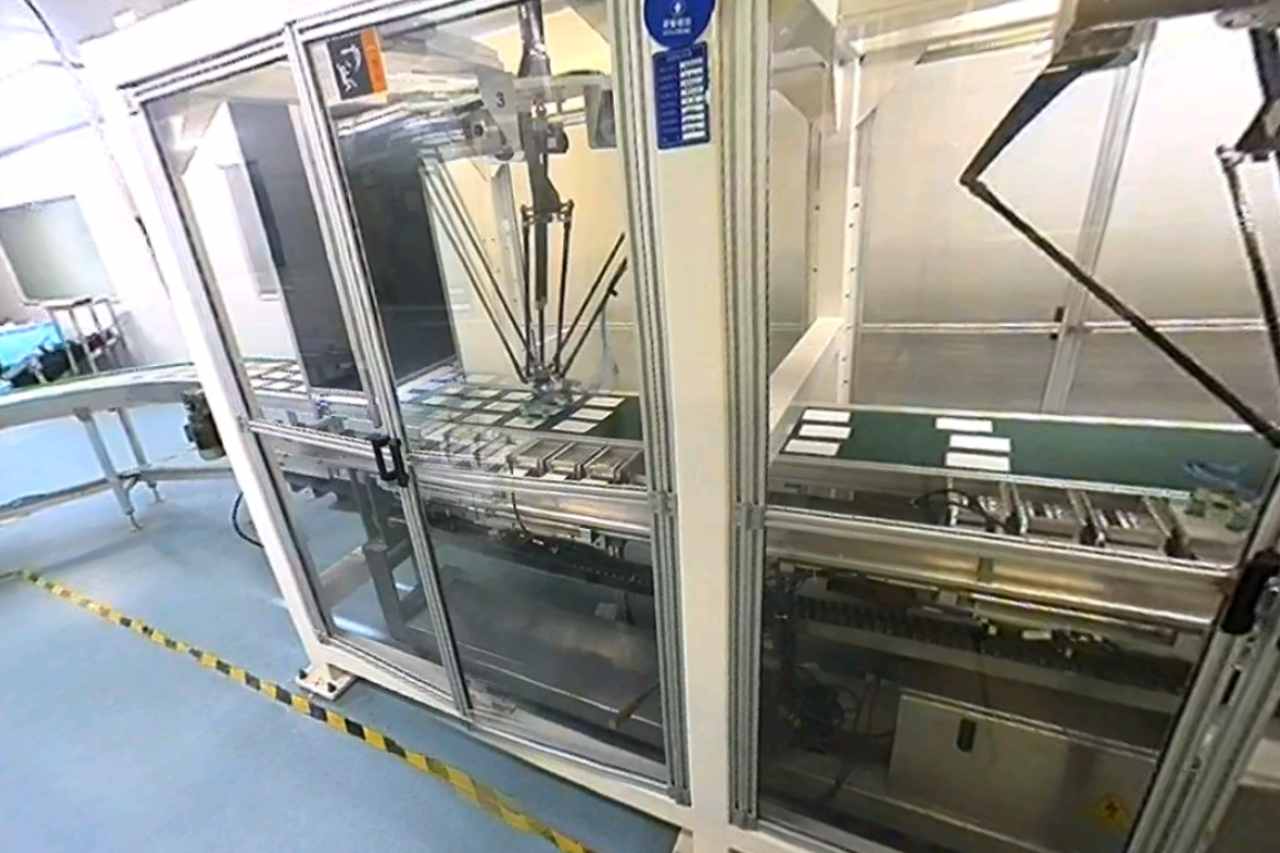
Figure 3. Production-line capability must be matched to the selected product and packaging format — View image source on ITS Dental Care
13. Understand MOQ, Lead Time, and Commercial Assumptions
Minimum order quantity is often driven by printing, foil or tube setup, line clearance, blending batch size, packaging purchase quantities, and production efficiency. A transparent manufacturer should explain these drivers. ITS Dental Care’s MOQ guide for denture cleanser manufacturing provides useful background.
What to verify
Separate MOQ for standard formula, custom formula, printed packaging, and each SKU.
Confirm what starts the lead-time clock: deposit, sample approval, artwork approval, or packaging arrival.
Put Incoterms, payment milestones, sample fees, testing fees, and artwork responsibilities in writing.
14. Evaluate Communication and Project Management
Reliable manufacturing depends on fast, accurate communication. The sales contact should be able to coordinate with R&D, quality, regulatory, packaging, production, and logistics instead of giving unsupported answers.
What to verify
Agree on one approved specification and one artwork version.
Request written progress checkpoints and escalation contacts.
Evaluate the quality of answers during sampling; it often predicts the quality of support during mass production.
15. Test the Supplier With a Controlled Pilot Order
Before scaling, use a pilot order to evaluate sample consistency, artwork control, production quality, packaging, documentation, communication, shipment condition, and complaint response. Do not treat a low first-order price as proof of a reliable long-term supply chain.
What to verify
Approve a golden sample and signed specification before production.
Record defects, delivery performance, response time, and documentation accuracy.
Scale only after the supplier demonstrates repeatability across more than one batch where practical.
A Simple Supplier Scoring Method
Score each of the 15 criteria from 0 to 3:
0 — No evidence or an unacceptable answer.
1 — Partial evidence; significant follow-up is required.
2 — Acceptable evidence with manageable gaps.
3 — Strong, verifiable evidence and a clear operating process.
A total score is useful, but compliance, product safety, batch traceability, and packaging integrity should be treated as gate criteria. A supplier should not “average out” a serious compliance or quality-control weakness with a lower price.
Documents to Request Before Approving a Supplier
Business registration and verified factory address.
Applicable quality-system certificate and scope.
Market-specific registration or compliance documents, where applicable.
Product specification, ingredient information, SDS, and sample COA.
Available performance, compatibility, microbiological, and stability support.
Packaging specification and approved artwork.
Quotation, MOQ, lead time, payment terms, Incoterms, and quality agreement.
Approved golden sample and written change-control expectations.
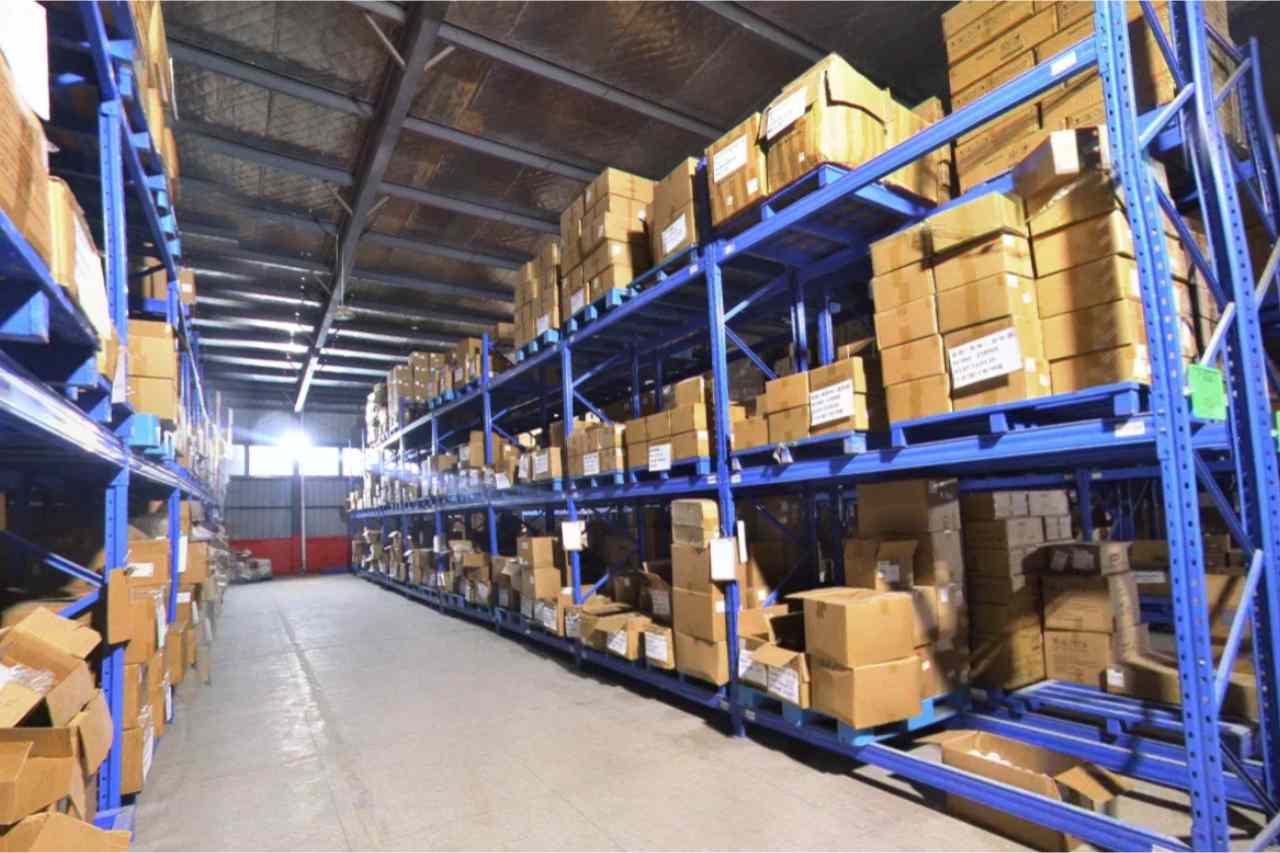
Figure 4. Warehouse and finished-goods controls are part of reliable supply execution — View image source on ITS Dental Care
Final Takeaway
The best denture care manufacturer is not necessarily the supplier with the largest building, the lowest quote, or the longest certificate list. It is the supplier that can connect its claims to controlled processes and verifiable records—and repeat the approved product consistently.
ITS Dental Care specializes in private-label denture and oral-care products and supports product selection, formulation, packaging, quality documentation, and bulk production. Buyers can review the complete denture care product range or use the buyer FAQ before requesting samples and a project quotation.
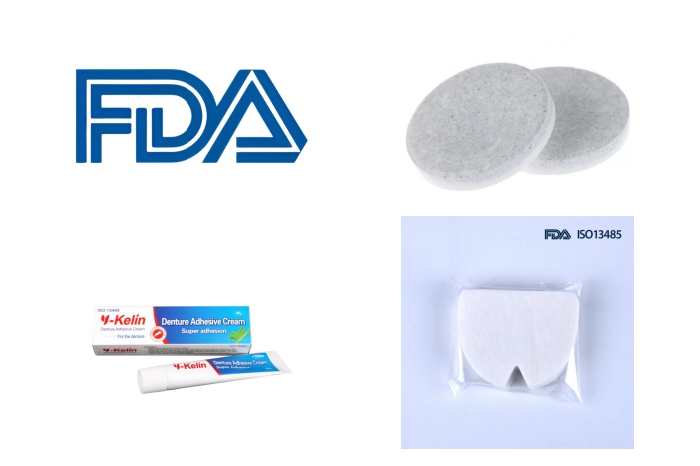


ITS Dental is a trusted manufacturer of high-quality denture care products, including denture cleaning tablets, adhesive creams, and retainer cleaning solutions, offering customized services for global partners.