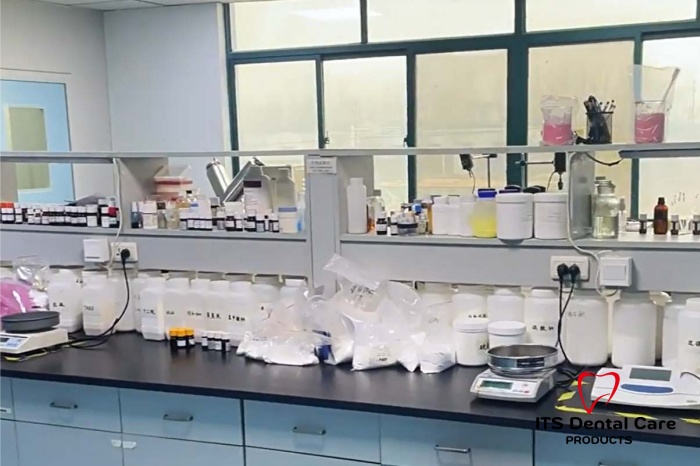
Choosing a standard formula or developing a custom formula is one of the earliest decisions in a private label denture cleanser project. It affects development time, minimum order quantity, testing, documentation, packaging schedule, cost, product differentiation, and the number of decisions the brand must approve.
The right answer is not automatically “custom.” A proven standard formula can be the more strategic choice when speed, cash control, and reliable execution matter most. Custom development becomes valuable when the brand has a clear consumer problem, defendable positioning, realistic volume, and enough time and budget to validate the change.
The Short Answer
Choose a standard formula when the priority is faster launch, lower development complexity, established production knowledge, and a more predictable first order. Choose a custom formula when the brand needs meaningful functional or sensory differentiation that cannot be achieved through packaging, format, count, flavor, color, or positioning alone—and when the business can support development, testing, documentation, and scale-up.
What “Standard Formula” Actually Means
A standard formula is an existing manufacturer-controlled formulation with known raw materials, process parameters, product specifications, and production experience. “Standard” does not mean every buyer receives an identical finished product. Brands may still customize tablet weight, color, layers, flavor direction, pack count, foil, tube, carton, instructions, and artwork within the manufacturer’s technical limits.
Buyers should confirm whether the proposed formula is a current commercial formula, which product specification applies, what market or claim assumptions it was designed for, and which changes can be made without turning the project into a new formulation.
What “Custom Formula” Should Mean
A custom formula changes ingredients, proportions, performance targets, sensory profile, dissolution behavior, product format, or another technically meaningful attribute. It should begin with a written product brief—not a vague request to make the product “stronger,” “more natural,” or “premium.”
The brief should define the target user, cleaning use case, intended appliance or material, target market, claims, use instructions, ingredient restrictions, sensory expectations, packaging, target cost, and launch timing. Exact formula percentages remain confidential technical information and should not be copied into a general purchasing article or uncontrolled email.
Six Factors to Compare
1. Development Time
A standard formula usually moves more quickly to samples because the manufacturer already understands sourcing, mixing, compression or filling, packaging compatibility, and release tests. A custom formula may require feasibility work, several sample rounds, raw-material qualification, method changes, pilot or validation batches, stability planning, and additional claim or market evidence.
2. Minimum Order Quantity
MOQ is driven by more than the formula. Raw-material purchase quantities, production-line cleaning, batch size, printing, packaging materials, and supplier minimums all matter. A custom ingredient or special flavor may create a higher economic MOQ even if the manufacturer can technically make a smaller batch. Review the practical explanation of MOQ in denture cleanser manufacturing before comparing offers.
3. Differentiation
A formula can differentiate performance or user experience, but it is not the only route. A new brand may create a distinctive proposition through pack size, daily-use system, color, tablet layers, flavor, instructions, subscription format, bundle, or audience positioning. If the consumer cannot notice or understand the formula difference, the development burden may not create commercial value.
4. Validation and Compliance
Any change must be evaluated against the target market, product classification, intended claims, label, and quality agreement. A standard formula may already have useful specifications and historical data, but those materials do not automatically authorize a buyer’s proposed claims or market entry. A custom formula may require new test methods, stability work, safety review, performance evidence, and updated documentation.
5. Cost
Standard formulas normally reduce one-time development and testing costs and lower the risk of unused specialty materials. Custom formulas can add formulation fees, sample rounds, materials, tooling, testing, documentation, and a longer cash-conversion cycle. Compare total project cost, not only the quoted factory unit price.
6. Supply and Execution Risk
A formulation that depends on a single unusual ingredient, narrow processing window, special storage, or one packaging structure may be harder to scale and replenish. Ask whether materials have qualified alternatives, whether the formula has been made on commercial equipment, what changes require approval, and how a deviation would be investigated.
A Practical Decision Tree
- Can the brand describe a specific, valuable difference that the customer will notice or that supports a necessary claim? If no, begin with a standard formula.
- Can packaging, format, pack count, flavor, color, or positioning create the required differentiation? If yes, keep the proven formula and customize the commercial presentation.
- Is the target market and claim strategy defined? If no, clarify those requirements before changing the formula.
- Can the project support extra sample rounds, testing, documentation, time, and possible MOQ? If no, use a standard or lightly adjusted formula.
- Is forecast volume sufficient to recover development cost and manage specialty materials? If yes, proceed to a controlled custom-development plan.
Three Development Paths
Path A: Proven Standard Formula
Best for first launches, pilot orders, distributor tests, or brands prioritizing speed and cash control. Approve the product specification, sample, packaging, test scope, and change-notification rules before production.
Path B: Standard Formula with Controlled Adjustments
Best when the brand wants modest sensory or format differentiation without rebuilding the formulation. Examples may include an approved color or flavor option, tablet weight, layers, or use profile within validated limits. The manufacturer must confirm which adjustments affect tests, stability, MOQ, or classification.
Path C: Full Custom Formula
Best when a defined consumer need and commercial strategy justify technical development. Use stage gates: product brief, feasibility, prototype, sample approval, test plan, packaging compatibility, pilot or validation batch, specification approval, and commercial release.
Questions to Ask the Manufacturer
- Is the proposed formula already produced commercially, and under which specification revision?
- Which attributes can be customized without changing the core formula?
- Which changes trigger new testing, stability work, MOQ, or lead time?
- Who owns the formula, test methods, reports, and resulting documentation?
- Can specialty materials be sourced consistently, and are alternatives qualified?
- How will the approved sample be connected to commercial production?
- What change-notification and approval process applies after launch?
Red Flags
- The supplier promises a custom formula before receiving a product brief.
- A sales sample is described as validated commercial production without evidence.
- Strong claims are offered without defining method, market, wording, or substantiation.
- The buyer is asked to approve ingredients but receives no product specification or test plan.
- The supplier cannot explain how formula changes affect packaging, stability, MOQ, or lead time.
How ITS Dental Care Fits into the Decision
Review the denture cleaning tablet options, common buyer questions about denture cleaning tablets, and project MOQ considerations before requesting samples. The final development path should be documented for the exact SKU, pack, claims, destination market, and launch plan.

Final Takeaway
For most new dental brands, the lowest-risk sequence is to validate the market with a proven formula and deliberate packaging, then invest in custom formulation when consumer evidence and order volume justify it. Customization should solve a defined business and user problem—not simply make the project sound more exclusive.
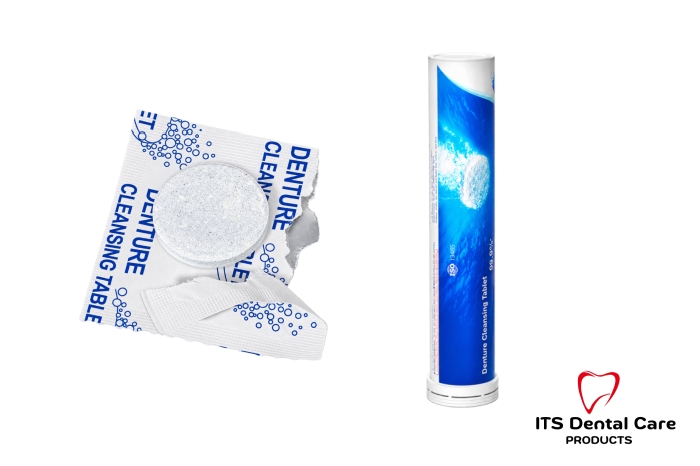


ITS Dental is a trusted manufacturer of high-quality denture care products, including denture cleaning tablets, adhesive creams, and retainer cleaning solutions, offering customized services for global partners.