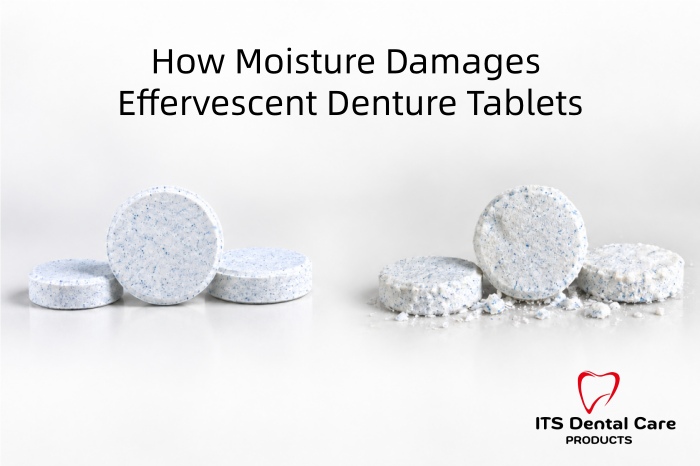
Moisture is one of the most important environmental risks for effervescent denture cleaning tablets. The ingredients are designed to react when the user adds water. If humidity enters during blending, pressing, packaging, storage, or transport, part of that reaction may begin before use.
The result may be visible—swelling, cracking, softening, powdering, sticking, discoloration, or damaged sachets—or less obvious, such as changed dissolution behavior and reduced confidence in shelf-life performance. Protection therefore depends on a controlled system: formulation, low-humidity manufacturing, fast transfer to packaging, an appropriate barrier, verified seals or closures, and evidence from the finished product-pack combination.
The Short Answer
Keep water away from the tablet until use. Control humidity during manufacturing, minimize unprotected exposure, select packaging with an appropriate moisture barrier, verify every seal or closure, and test the complete pack under defined storage and transport conditions. A metallic-looking film, thick tube, or “three-year shelf life” statement is not enough without a documented material specification and supporting results.
What Happens When Moisture Reaches an Effervescent Tablet?
Effervescent systems commonly contain acidic and alkaline components that react in the presence of water and release gas. Ambient humidity can create local wetting at particle surfaces. Even a limited premature reaction can change the tablet’s physical structure and consume part of the system intended for the cleaning cycle.
| Possible change | What a buyer may observe | Why it matters |
|---|---|---|
| Surface reaction | Spots, roughness, odor or color change | May indicate premature exposure or incompatibility |
| Swelling or cracking | Tablet expands, splits, or distorts | Affects pack integrity and dose presentation |
| Softening or crumbling | Powder, chipped edges, broken tablets | Creates count, appearance, and handling problems |
| Sticking | Tablets adhere to foil, tube, or each other | Makes removal difficult and suggests moisture exposure |
| Dissolution change | Weak, uneven, delayed, or early fizzing | May change the intended user experience |
| Package deformation | Puffed or stressed sachet, loose closure | Requires investigation of seal, reaction, or transport conditions |
These observations are not diagnostic by themselves. Damage can also arise from mechanical shock, temperature, formulation, compression, or component defects. A qualified investigation should compare retained samples, packaging records, environmental data, and test results.
Water Activity, Relative Humidity, and Moisture Content Are Not the Same
Relative humidity describes the surrounding air at a given temperature. Moisture content describes how much water is present in a material. Water activity reflects how available that water is to participate in physical, chemical, or microbiological processes. They are related but not interchangeable.
A useful control strategy identifies which measurements matter for raw materials, blend, tablets, room conditions, and stability studies, then defines methods and limits from development evidence. Buyers should not copy a generic water-activity limit from an unrelated tablet.
The Four Moisture-Control Barriers
1. Raw materials and formulation
Raw-material condition, storage, handling time, particle characteristics, and formulation design influence moisture sensitivity. Approved suppliers, closed containers, controlled dispensing, and defined hold times reduce exposure before blending.
2. Manufacturing environment
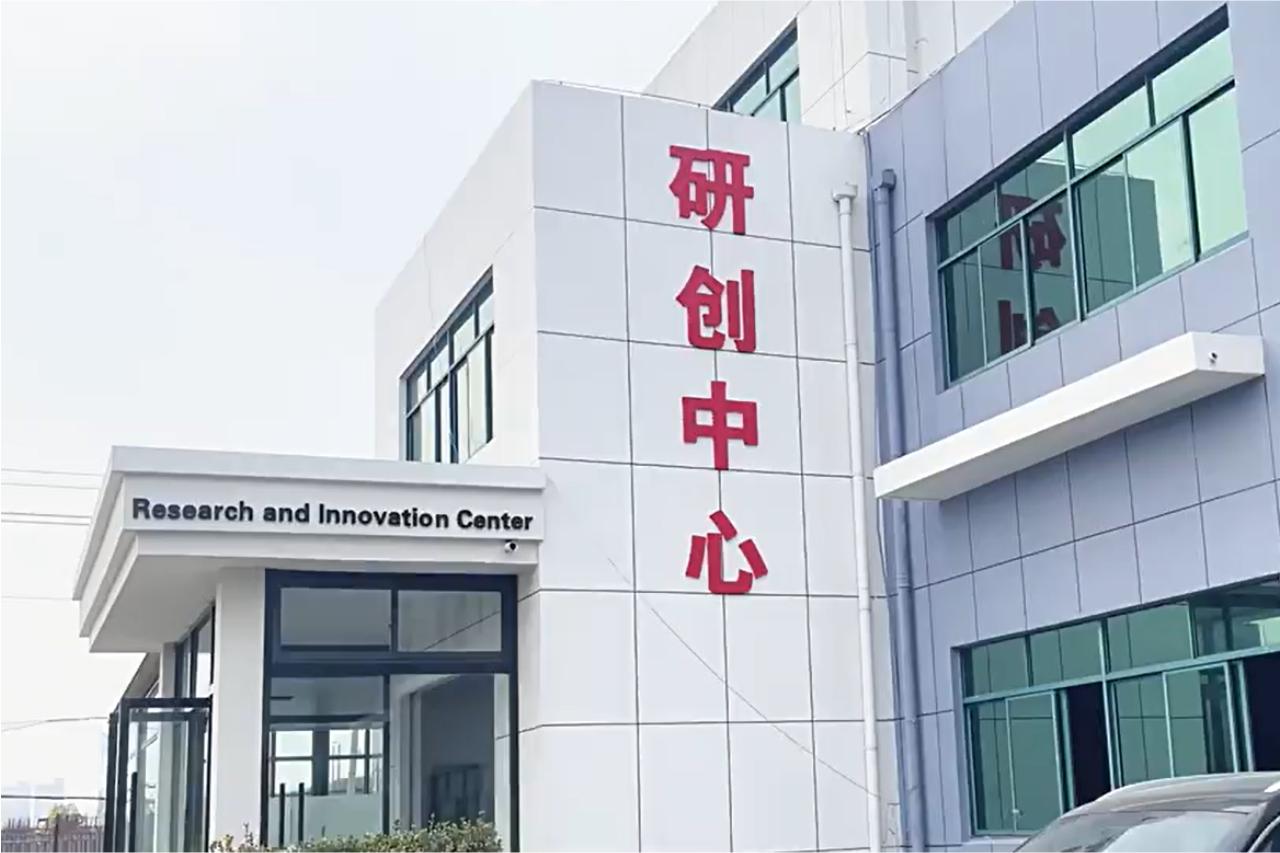
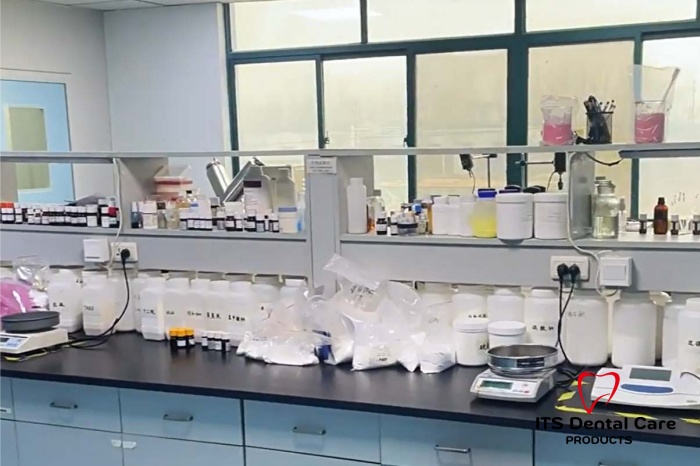
Effervescent mixing and compression should occur under controlled conditions appropriate to the validated process. Monitor temperature and relative humidity where the material is exposed. Record excursions and define what happens to affected material rather than relying on a room display alone.
3. Primary packaging
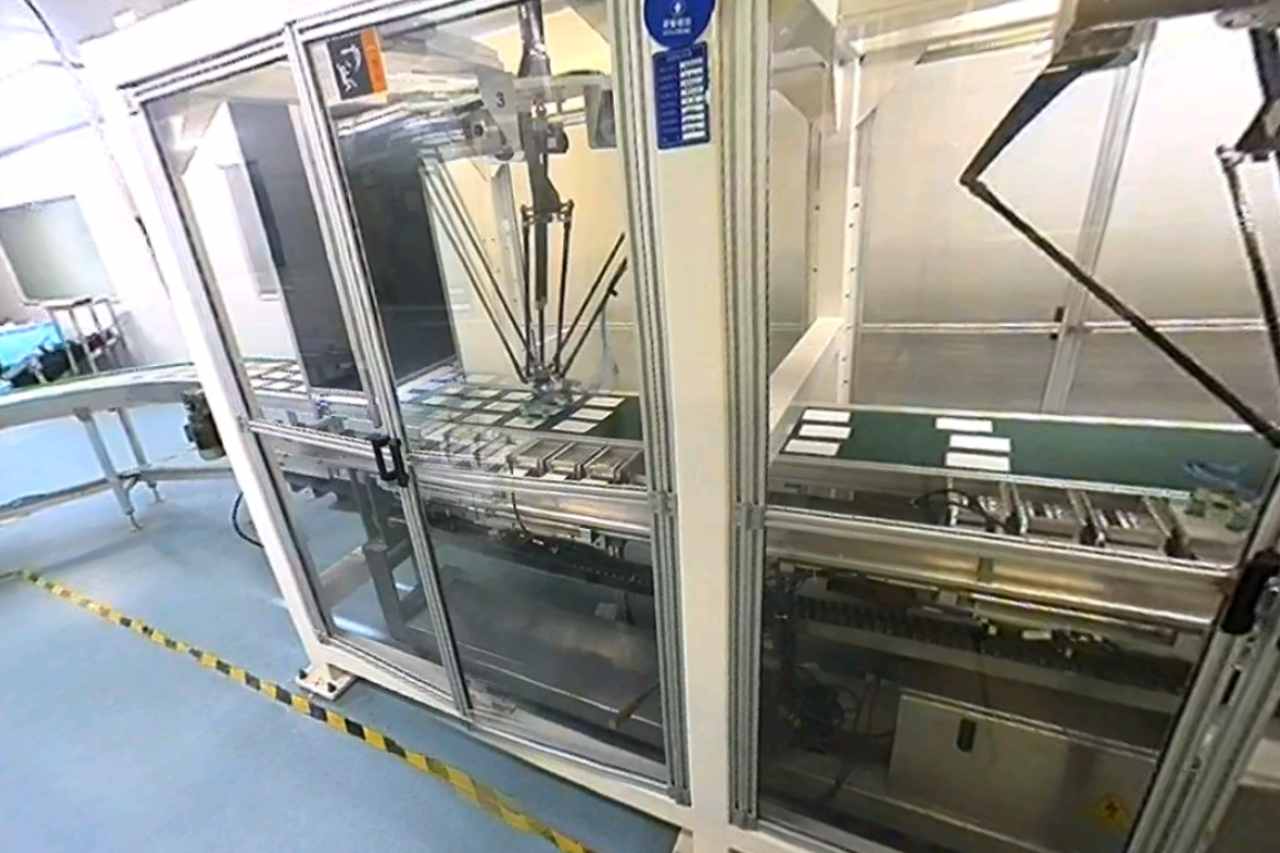
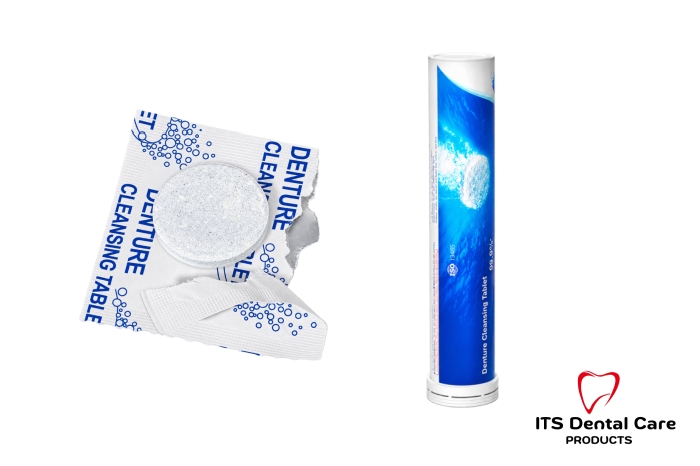
The primary pack is the main barrier between the tablet and the environment. Individually sealed foil sachets isolate each dose. Tubes protect multiple tablets through the container, closure, liner or gasket, and often a desiccant. The complete configuration must be specified.
4. Secondary packaging and distribution
Cartons, master cases, pallet wrap, container loading, warehouse conditions, and shipment duration influence exposure and mechanical stress. Secondary packaging cannot rescue a defective primary seal, but it can reduce damage and environmental fluctuation.
Foil Packaging: Barrier Performance Depends on the Whole Laminate
ITS Dental Care’s denture cleaning tablet product page identifies foil pack as the standard packaging route and advises storage in a cool, dry place. For a private label project, buyers should request the actual laminate specification, approved supplier, print construction, sealant layer, dimensions, seal width, coding method, and change-control process.
- Confirm whether the structure includes an aluminum barrier layer or another defined barrier material.
- Verify sealing temperature, pressure, dwell time, jaw condition, and line speed ranges.
- Inspect wrinkles, channels, contamination, cuts, pinholes, incomplete seals, and misregistration.
- Define how seal integrity is sampled and tested during setup and routine production.
- Confirm how unused printed foil is stored to prevent damage or contamination.
Tube Packaging: Closure and Desiccant Become Critical
A tube is repeatedly opened, so remaining tablets share the internal headspace. Performance depends on tube material, wall, closure fit, liner or gasket, desiccant type and capacity, fill count, headspace, consumer reclosing, and the use environment.
Ask whether the desiccant is integrated in the closure or supplied separately, how it is protected before filling, how its presence is verified, and what happens if the cap is not fully closed. Stability work should reflect realistic opening cycles if the shelf-life claim covers in-use conditions.
Packaging Tests Buyers Should Understand
| Test area | Question it answers | Important details to define |
|---|---|---|
| Material verification | Did the line receive the approved barrier component? | Identity, thickness, construction, supplier, COA |
| Visual seal/closure inspection | Is the pack visibly complete and undamaged? | Lighting, defect examples, sampling, acceptance |
| Seal integrity or leak test | Can channels, holes, or weak seals be detected? | Method, sensitivity, sample conditioning, limit |
| Seal strength | Is the seal strong and consistent enough? | Specimen, speed, direction, units, acceptance |
| Closure integrity | Does the tube and cap system remain closed? | Fit/torque method, liner, opening cycles |
| Moisture-barrier study | How much moisture can pass through the pack? | Test condition, duration, calculation, component versus pack |
| Stability study | Does the product remain within specification? | Real-time/accelerated conditions, timepoints, tests |
| Transport simulation | Does distribution damage the pack? | Vibration, drop, compression, temperature/humidity |
There is no single universal test package. Methods, conditions, sample sizes, and acceptance criteria should be justified for the formula, pack, claims, shelf life, shipping route, and destination requirements. Request reports that identify the exact product and packaging version tested.
What a Useful Stability Protocol Should Track
- Tablet appearance, dimensions, weight, hardness or friability where relevant.
- Visible premature reaction, swelling, cracking, powder, sticking, and odor.
- Dissolution behavior under a defined water volume and temperature.
- Performance or claim-supporting attributes appropriate to the product.
- Moisture-related measurements selected during development.
- Sachet seal or tube closure condition and packaging appearance.
- Lot, formula, packaging structure, storage condition, timepoint, and method.
Ocean Freight and Humid Distribution
A sealed shipping container can experience long transit, temperature cycling, coastal humidity, condensation risk, and multiple handling stages. The product may then enter an unconditioned port, warehouse, bathroom, or care facility. A short room-temperature sample review does not represent that lifecycle.
Build the distribution profile into pack selection and verification. Confirm master-carton strength, liner or bag use where justified, pallet protection, container loading, warehouse controls, shipment timing, and inspection after arrival. Avoid placing unvalidated loose desiccants in shipping cases as a substitute for adequate primary packaging.
How to Investigate Swollen or Crumbling Tablets
- Quarantine the affected lot and record quantity, location, dates, photos, and storage conditions.
- Compare unopened and opened packs, retained samples, and unaffected cartons.
- Check foil or tube specifications, component lots, line settings, seal/closure records, environmental data, and deviations.
- Perform agreed integrity, moisture-related, physical, and dissolution tests.
- Assess transport and warehouse temperature/humidity and mechanical damage.
- Document root cause, product impact, corrective action, and disposition through the quality system.
Buyer Checklist Before Packaging Approval
- Written tablet and packaging specification with revision control.
- Approved barrier material, sealant or closure, desiccant, and component suppliers.
- Environmental limits and monitoring for exposed product.
- Maximum hold times before compression and before primary packaging.
- Line setup, in-process inspection, and seal/closure test plan.
- Stability and transport evidence tied to the exact configuration.
- Defined storage statement, shelf life, and minimum remaining life at delivery.
- Change notification for formula, laminate, tube, closure, supplier, equipment, or site.
Final Takeaway
Moisture protection is a system, not one packaging claim. It begins with controlled materials and low-humidity processing, continues through rapid and verified primary packaging, and is confirmed by test evidence that matches the finished product and its distribution route.
Review ITS Dental Care’s denture cleaning tablet options, compare foil and tube packaging decisions, and contact the team for a packaging-specific sample and test discussion.



ITS Dental is a trusted manufacturer of high-quality denture care products, including denture cleaning tablets, adhesive creams, and retainer cleaning solutions, offering customized services for global partners.