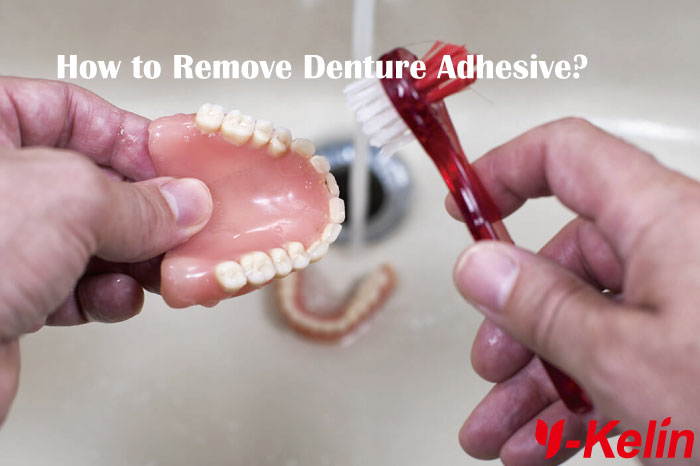
كيفية إزالة لاصق الأسنان الصناعية؟
نُشرت في:
Denture adhesive is a daily essential for millions of denture wearers. It provides the stability and confidence needed to eat, speak, and smile naturally. However, while the strong hold is exactly what you want during the day, it becomes a significant challenge at night: how do you remove that stubborn, sticky residue completely?
Many wearers find themselves frustrated, aggressively scrubbing their gums or scraping their dentures, which can lead to tissue damage and scratched acrylic.
In this comprehensive guide, we will explain the science behind why adhesive sticks, the oral health risks of leaving residue behind, and expert-approved, step-by-step methods to remove different types of denture adhesives safely and effortlessly.
تأثير بقايا اللاصق على صحة الفم
Leaving adhesive residue on your gums or the denture plate is not just uncomfortable; it is a hidden risk to your oral hygiene.
Bacterial and Fungal Growth: Leftover adhesive acts as a magnet for food particles and plaque. Over time, this creates an ideal breeding ground for Candida albicans, the fungus responsible for Denture Stomatitis (a painful, red inflammation of the gums).
Bad Breath (Halitosis): Decaying food particles trapped in the residual paste will quickly lead to chronic bad breath.
Compromised Fit for the Next Day: If you apply fresh adhesive over yesterday’s leftover residue, the new adhesive cannot bond properly to the denture acrylic, resulting in a weaker hold and an uneven fit.
لماذا يلتصق اللاصق باللثة وأطقم الأسنان؟
To remove it effectively, you need to understand how it works. Denture adhesives are formulated with water-activated polymers (like Cellulose Gum and PVM/MA copolymers).
When these ingredients mix with your natural saliva, they hydrate, expand, and create a highly viscous, elastic layer. This layer forms a vacuum seal between the hard denture base and your soft oral mucosa. Because these formulas are designed to resist the hot liquids you drink (like tea or soup), they are naturally resistant to being washed away by plain water, making nighttime removal a sticky challenge.
أدوات لإزالة لاصق الأسنان الصناعية
Using the right tools is the difference between a frustrating 15-minute scrub and an easy 2-minute routine.
Must-Have Tools for Denture Cleaning:
Warm Water: The most crucial element to soften the polymer bonds.
Soft-Bristle Toothbrush: Always use a brush labeled “soft” or “extra-soft” to avoid scratching the gum tissue.
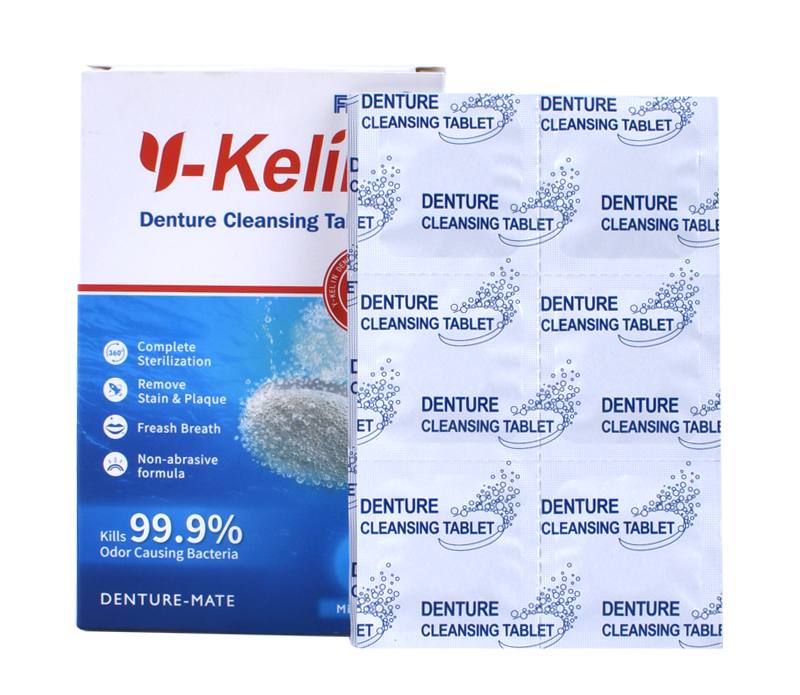
Denture Cleansing Tablets: Essential for dissolving residue off the denture plate chemically, rather than physically.
Microfiber Cloth or Gauze: A textured, damp cloth grips and lifts sticky residue off the roof of the mouth much better than smooth bristles.
دليل خطوة بخطوة لإزالة أنواع مختلفة من لاصقات الأسنان الصناعية
Always follow specific removal techniques based on the type of adhesive you use.
كيفية إزالة اللاصقات الكريمية
Creams provide the strongest hold but are notoriously the hardest to clean off.
Warm Water Swish: Vigorously swish comfortably warm (not hot) water in your mouth for 30–60 seconds. This begins to break the vacuum seal.
The Rocking Method: Place your thumb against the front teeth of the denture and gently rock it side to side and push upward/downward until the seal releases. Never pull straight out.
Clean the Dentures: Do not use regular toothpaste (it is too abrasive). Soak the denture in warm water with a Denture Cleansing Tablet for 15 minutes to dissolve the paste, then brush lightly with a denture brush.
Clean Your Gums: Wrap a warm, damp washcloth or piece of gauze around your index finger and gently wipe your gums and the roof of your mouth in a sweeping motion.
How to Remove Strip/Pad Adhesives
Strips are generally easier to manage as they don’t ooze as much as creams.
Rinse and Remove: Swish warm water and rock the denture out of your mouth.
Peel: Often, the strip will remain intact. Simply grab one corner with your fingers and peel it off the denture plate.
Clean Remaining Tackiness: Use a soft brush under running warm water to clear any minor tackiness left behind.
كيفية إزالة المواد اللاصقة المسحوقة
Powders create a thinner seal and are usually the easiest to clean.
Rinse and Loosen: A quick 30-second rinse with warm water is usually enough to break a powder seal.
Wipe and Brush: The powder will turn into a thin gel. Wipe your gums with a damp cloth, and lightly brush the denture with a specialized denture cleanser.
طرق بديلة لإزالة لاصق الأسنان الصناعية
If warm water isn’t enough, try these safe, expert-recommended alternatives:
Warm Saltwater Rinse: Salt is a natural astringent. Mixing half a teaspoon of salt into warm water helps break down the adhesive’s grip while naturally soothing minor gum inflammation.
Mouthwash: An alcohol-free mouthwash can help loosen the adhesive while killing bacteria and refreshing your breath.
Edible Oils (Olive or Coconut Oil): Because many adhesives contain hydrophobic ingredients, a little bit of olive or coconut oil on a cotton swab can quickly dissolve the sticky bonds on your gums. Plus, it moisturizes the tissue!
منع تراكم المواد اللاصقة
The best way to remove adhesive is to avoid using too much of it in the first place.
Less is More: You only need 3 to 4 pea-sized dots of cream for an entire upper denture. If adhesive oozes out the sides when you bite down, you are using too much.
Apply to a Dry Surface: Always dry your dentures thoroughly before applying adhesive. Applying it to a wet denture causes it to activate prematurely and spread unevenly.
Choose High-Quality Brands: Opt for modern, خالي من الزنك adhesives that offer superior hold with water-soluble properties, making evening cleanup much easier.
العناية باللثة بعد إزالة اللاصق
Your gums bear the pressure of chewing all day. Once the adhesive is gone, aftercare is crucial.
Gum Massage: Use a soft-bristle brush or your clean fingers to gently massage your gums in a circular motion. This stimulates blood flow and keeps the tissue firm and healthy.
Give Them a Rest: Never sleep with your dentures in. Your gum tissues need 6 to 8 hours of exposure to oxygen and natural saliva to recover and prevent infections.
الحفاظ على ملاءمة طقم الأسنان المناسب
If you find yourself using more and more adhesive just to keep your dentures in place, adhesive is no longer the solution. Due to natural bone resorption (the shrinking of the jawbone over time), dentures will inevitably become loose. If you are struggling with fit, it is time to visit your dentist for a reline or a complete replacement. Adhesives are designed to enhance a well-fitting denture, not to fix a poorly fitting one.
Choosing the Right Products for Your Routine
To maintain pristine dentures and healthy gums, pairing a high-quality adhesive with the right cleansing product is essential.
في رعاية الأسنان ITS, we recommend a two-step routine:
Secure with Confidence: Use a Zinc-Free Denture Adhesive Cream that provides all-day hold but is formulated to break down easily with warm water agitation.
Cleanse with Power: Never rely on physical scrubbing. Drop your dentures into a bath with an Effervescent Denture Cleansing Tablet. The micro-bubbles penetrate the acrylic pores, lifting away 99.9% of bacteria, stains, and microscopic adhesive residue without scratching the surface.
الأسئلة الشائعة - لاصق الأسنان الصناعية وتنظيفها
ما هو لاصق الأسنان الصناعية ولماذا أحتاج إليه؟
لاصق الأسنان الصناعية هو منتج يستخدم لتثبيت الأسنان الصناعية في مكانها، مما يخلق حاجزًا بين اللثة والأسنان الصناعية. وهو يحسن الثبات، ويمنع جزيئات الطعام من الدخول تحته، ويعزز الراحة أثناء الأنشطة اليومية مثل الأكل والتحدث.
كيف يمكنني إزالة لاصق الأسنان الصناعية من أسناني الصناعية ولثتي؟
قم بغسل أسنانك بالماء الدافئ لتفكيك المادة اللاصقة، ثم قم بإزالة أطقم الأسنان بلطف باستخدام حركة اهتزازية. استخدم فرشاة أسنان ناعمة أو قطعة قماش مبللة لتنظيف بقايا المادة اللاصقة من أطقم الأسنان واللثة.
هل هناك أنواع مختلفة من لاصقات الأسنان؟
نعم، تأتي مواد لاصقة للأسنان الصناعية في أشكال مثل الكريمات والمساحيق والشرائط والضمادات. كل نوع يوفر فوائد فريدة، لذا اختر بناءً على راحتك وسهولة الاستخدام.
هل هناك أي مخاطر مرتبطة باستخدام لاصق الأسنان الصناعية؟
قد يؤدي الإفراط في استخدام المواد اللاصقة إلى ترك بقايا زائدة، مما يسبب عدم الراحة ويجعل إزالتها صعبة. تحتوي بعض المواد اللاصقة على الزنك، والذي قد يؤدي إلى مشاكل صحية إذا تم استخدامه بشكل مفرط. اختر المواد اللاصقة الخالية من الزنك عندما يكون ذلك ممكنًا.
كم مرة يجب أن أقوم بتنظيف أطقم الأسنان الخاصة بي؟
نظف أطقم الأسنان يوميًا لإزالة بقايا الطعام والبكتيريا والمواد اللاصقة. كما يساعد نقعها طوال الليل في محلول منظف على الحفاظ على حالتها.
إن العناية المنتظمة والاستخدام الصحيح للمواد اللاصقة ومنظفات الأسنان تضمن تجربة مريحة وصحية مع أطقم الأسنان.
Can I use regular toothpaste to scrub off the adhesive?
No. Regular toothpaste contains abrasives like silica. While great for natural tooth enamel, it will create micro-scratches on denture acrylic, which will trap bacteria and cause your dentures to smell and look cloudy over time.
Why is the adhesive harder to remove on some days?
This usually depends on hydration levels. If you have a dry mouth (xerostomia) or haven’t consumed many warm liquids during the day, the adhesive may dry out and bond more stubbornly to the tissue.
Is it safe to leave a little adhesive on my dentures overnight?
It is highly discouraged. Leaving adhesive overnight prevents your denture cleanser from reaching the acrylic surface to sanitize it, leading to bacterial buildup and potential oral infections.

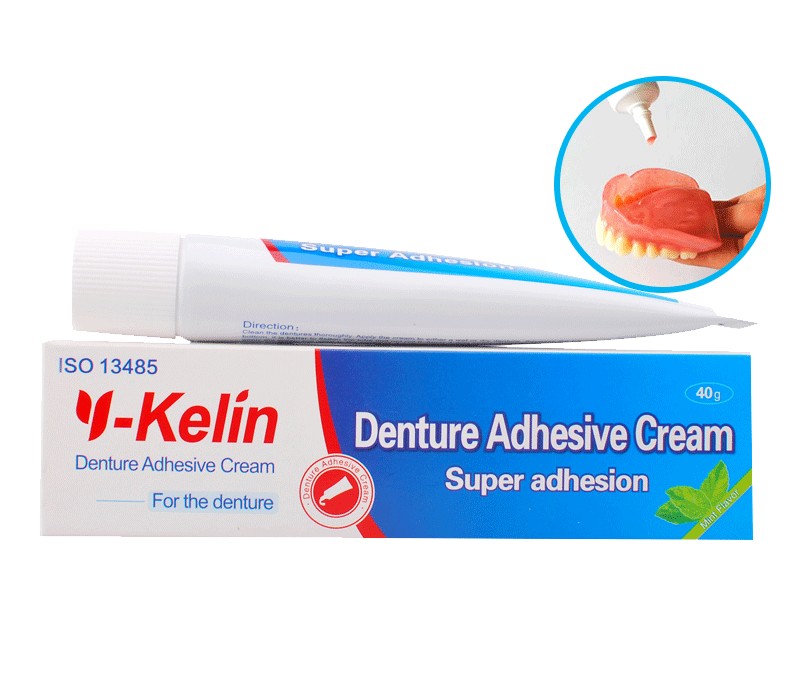
كريم لاصق للأسنان الصناعية من Y-Kelin
يوفر كريم لاصق أطقم الأسنان من Y-Kelin ثباتًا قويًا وموثوقًا لأطقم الأسنان، مما يضمن الراحة والثقة طوال اليوم. مصنوع بتركيبة مصممة خصيصًا، فهو يساعد في الحفاظ على أطقم الأسنان في مكانها بشكل آمن، ومنع الانزلاق أو الانزعاج.

تواصل مع ITS
هل لديك أسئلة أو تحتاج إلى مزيد من المعلومات؟ اتصل بنا اليوم، وسيقوم فريقنا المتخصص بمساعدتك على الفور.


ITS is a trusted manufacturer of high-quality denture care products, including denture cleaning tablets, adhesive creams, and retainer cleaning solutions, offering customized services for global partners.