
What Is Plaque?
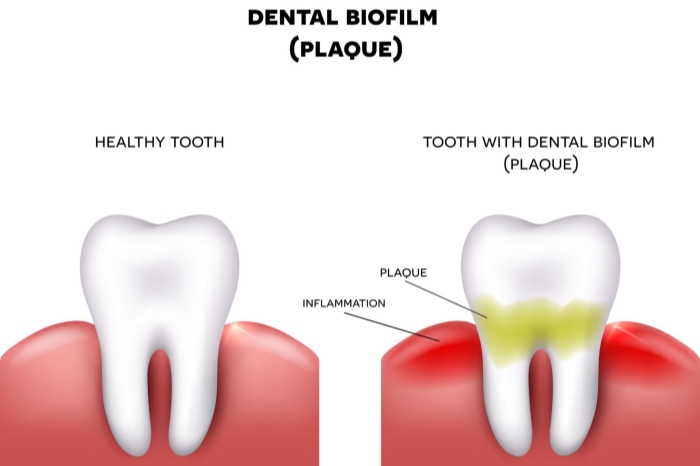
The simple answer to what is plaque is that it is a sticky film. Doctors call it dental plaque. It is mostly made of tiny living things called bacteria. These bacteria are so small you cannot see them. They live together in a community called a biofilm, which is just a fancy word for a sticky layer of germs. This layer also contains bits of food and your own saliva.
Plaque starts forming just minutes after you brush your teeth. First, a very thin layer of proteins from your saliva covers the tooth. This thin layer is called a pellicle. It acts like a foundation for bacteria to land on. Once the bacteria attach, they begin to grow and multiply. They create a sticky slime that helps them stay attached to your teeth and protects them from being washed away.
This sticky film is made up of living bacteria, sugars and starches from food, saliva proteins, and water that keeps it moist and growing. If you do not remove plaque, it grows thicker and thicker. It often looks colorless or pale yellow, and you can sometimes feel it with your tongue. Many people say it feels like their teeth are wearing a fuzzy sweater.
What Causes Plaque on Teeth?
Many people wonder why plaque grows so fast. The main reason is the food we eat every day. Bacteria in your mouth love the same foods you do, especially sugars and simple starches. When you eat foods like cookies or white bread, bacteria start feeding right away.
As bacteria eat sugar and starch, they produce acid as waste. This acid is very harmful to your teeth. The more sugar you eat, the more acid the bacteria make. Common foods that lead to plaque buildup include candy, cookies, cakes, soda, fruit juice, sports drinks, white bread, pasta, crackers, and sticky dried fruits like raisins.
Poor cleaning habits also cause plaque to build up. If you skip brushing or flossing, bacteria have time to grow and form a strong layer that becomes harder to remove. Saliva also plays a role. A dry mouth allows bacteria to grow faster, which is why morning breath is often strong after sleeping.
Where Does Plaque Commonly Build Up?
Plaque can grow on every surface in your mouth, but it prefers places that are hard to clean. These hiding spots allow bacteria to stay undisturbed. One of the most common areas is the gum line, where the tooth meets the gums. Bacteria often hide under the edge of the gums, causing redness and soreness.
Another common place is between the teeth. Toothbrush bristles usually cannot reach these tight spaces, which is why flossing is so important. The back teeth are also frequent problem areas. They have deep grooves and pits that trap food easily, and people often forget to brush them well.
Plaque can also build up around dental fillings, on braces, on the tongue, and even on dentures. Any surface in the mouth can collect a sticky film if it is not cleaned properly.
Is Plaque Harmful?
Many people think plaque is just a small problem, but it is actually the main cause of tooth and gum disease. The acid produced by bacteria attacks tooth enamel, which is the hard outer layer that protects your teeth. When enamel weakens, cavities form. If cavities become deep, they can cause pain, infection, and even tooth loss.
Plaque also harms the gums. Bacteria release toxins that irritate gum tissue, causing inflammation. This leads to gingivitis, the earliest stage of gum disease. Signs of gingivitis include red, swollen gums, bleeding during brushing or flossing, and ongoing bad breath.
If gingivitis is not treated, it can turn into periodontitis. This serious condition damages the bone that holds teeth in place, causing teeth to loosen or fall out over time.
Plaque vs Tartar: What’s the Difference?
Plaque and tartar are related but not the same. Plaque is soft and sticky and can be removed with brushing and flossing. Tartar forms when plaque is left on teeth too long. It absorbs minerals from saliva and hardens into a rough, rock-like substance.
This hardening can begin within 24 to 72 hours. Once plaque becomes tartar, it cannot be removed at home. Tartar bonds tightly to teeth and often appears yellow or brown. Because tartar has a rough surface, it makes it easier for new plaque to stick, creating a cycle of buildup. Only a dentist or dental hygienist can remove tartar safely.
How to Remove Plaque from Teeth
Removing plaque is a daily task because it forms constantly. A good home routine with the right tools and techniques is essential.
1. Brushing Your Teeth
Brush your teeth at least twice a day using a soft-bristle toothbrush. Brush for a full two minutes each time. Hold the brush at a 45-degree angle toward the gum line and use small, circular motions. Clean all surfaces of every tooth. Electric toothbrushes can help remove more plaque for many people.
2. Flossing Every Day
Flossing cleans between teeth where brushes cannot reach. Use about 18 inches of floss and gently slide it between teeth. Curve it into a C shape against the tooth and move it up and down, slightly under the gum line. Use a clean section of floss for each space.
3. Using Mouthwash
An antimicrobial mouthwash helps kill extra bacteria and reach areas missed by brushing and flossing. Mouthwash with fluoride also helps strengthen enamel and protect against cavities.
4. Professional Cleaning with Plaque Disclosing Tablets
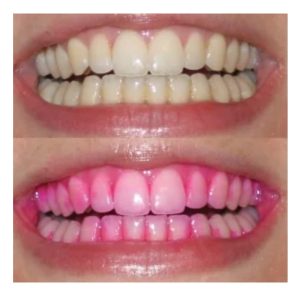
Even with good home care, some plaque hardens into tartar. You would use Plaque Disclosing Tablets after brushing your teeth.
How to Prevent Plaque Buildup
Preventing plaque is easier than removing it later. Small daily habits make a big difference.
Watch What You Eat
Limit sugary and starchy snacks. If you eat sugar, try to have it with meals when saliva flow is higher. Choose healthy snacks like crunchy vegetables, apples, cheese, yogurt, and nuts, which help clean and protect teeth.
Drink Plenty of Water
Water keeps your mouth moist and helps rinse away food and bacteria. Fluoridated tap water also strengthens tooth enamel.
Avoid Dry Mouth
Dry mouth allows bacteria to grow quickly. Some medicines cause dryness, so talk to your doctor if this is a problem. Chewing sugar-free gum with xylitol can help increase saliva and reduce bacteria.
Final Thoughts: Why Controlling Plaque Is Important
Understanding what plaque is helps protect your smile and your overall health. Oral bacteria can enter the bloodstream and have been linked to other health problems. Controlling plaque saves money by preventing cavities and gum disease, and it helps you avoid pain and tooth loss.
Good oral care also boosts confidence. Simple daily habits like brushing for two minutes, flossing every night, and drinking more water can protect your teeth for life. By fighting plaque every day, you are choosing a healthier future.
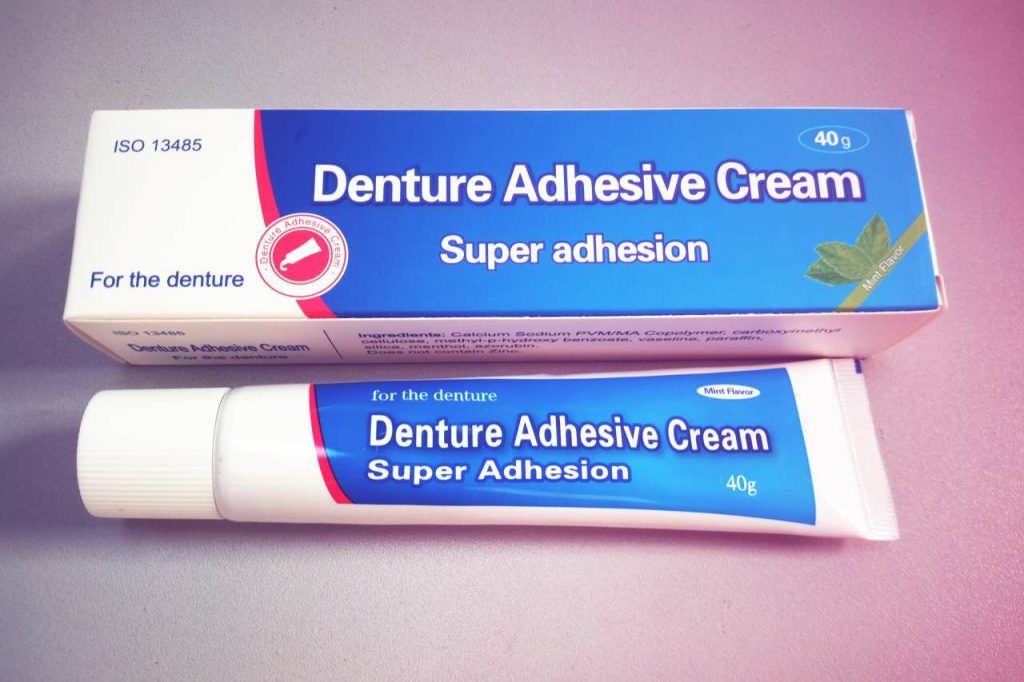
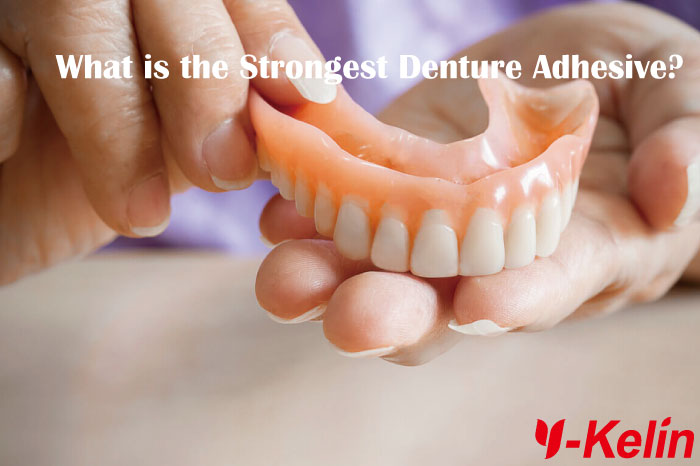



Y-Kelin is a trusted manufacturer of high-quality denture care products, including denture cleaning tablets, adhesive creams, and retainer cleaning solutions, offering customized services for global partners.