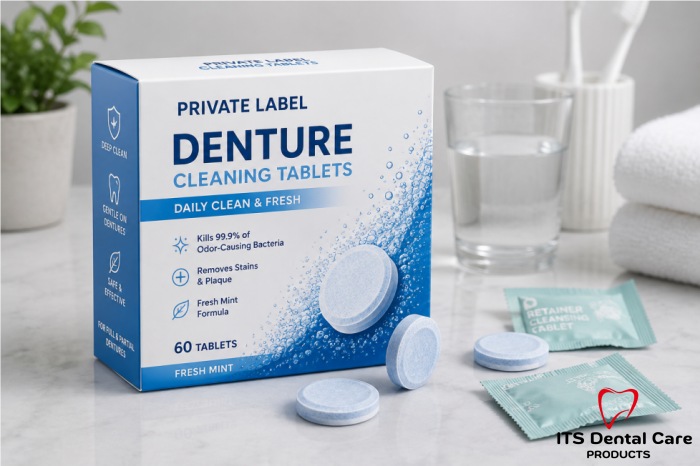
Launching a private label denture cleaning tablet brand is not simply a logo-printing exercise. The product, claims, packaging, evidence, order quantity, launch channel, and replenishment plan must work as one commercial system. A disciplined launch sequence reduces expensive artwork changes, unsuitable inventory, and delays between sample approval and sale.
This guide gives importers, distributors, pharmacy buyers, and e-commerce founders a practical route from concept to shipment. It uses a 90-day planning framework, but the actual schedule depends on formula complexity, packaging availability, testing, approvals, and the destination market.
The Short Answer: Start With the Market, Then Lock the Specification
A strong project moves through eight gates: market brief, product route, supplier qualification, sample approval, packaging and compliance, commercial approval, mass production, and launch readiness. Do not authorize printed packaging or production until the product specification, claims, artwork, quality requirements, and responsibilities are documented.
Step 1: Define the Customer and Sales Channel
Begin with a one-page market brief. Identify the user, the appliance being cleaned, the buying occasion, the retail price band, and the channel. A pharmacy pack, a dental-clinic sample pack, and an Amazon multipack may use the same tablet but require different counts, cartons, instructions, barcodes, and logistics.
- Target countries and languages.
- Primary user and appliance: dentures, partials, retainers, aligners, or mouthguards.
- Sales channel: pharmacy, distributor, clinic, care facility, marketplace, or direct-to-consumer.
- Target pack count, retail price range, and expected monthly sales.
- Competitor references and the specific reason a buyer should choose your brand.
Choose one launch promise
Focus the first SKU on one defensible benefit—such as convenient daily cleaning, a defined soak time, freshness, or a pack designed for a specific channel. Avoid stacking aggressive claims before you know what evidence and wording the destination market requires.
Step 2: Choose Standard, Modified, or Fully Custom
A proven standard formula with branded outer packaging is normally the fastest route for a new brand. A modified formula changes selected attributes such as color, fragrance, dissolution profile, or tablet appearance. A fully custom formula can create stronger differentiation, but it introduces development work, new materials, testing, stability questions, and potentially higher minimum quantities.
| Route | Best fit | Main trade-off |
|---|---|---|
| Standard formula | First launch or demand test | Fastest and simplest; less formula exclusivity |
| Modified formula | Brand with validated customer preference | More development and approval steps |
| Fully custom | Established volume and clear technical brief | Highest differentiation, time, cost, and risk |
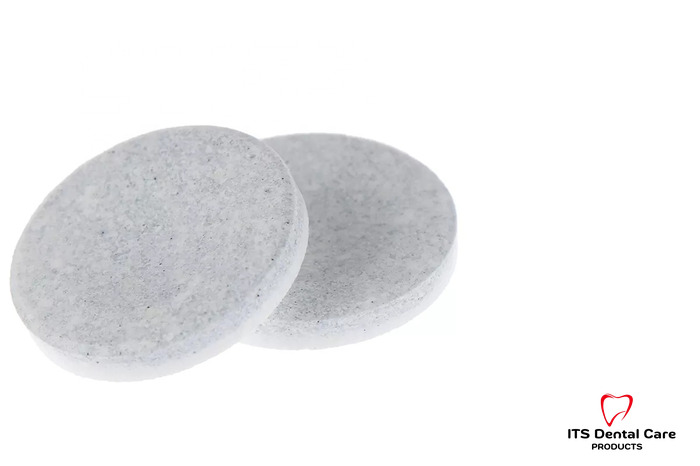
Review available private label denture cleaning tablet specifications before creating a custom brief. Decide tablet weight, diameter, layers, color, fragrance, soak time, pack count, shelf-life expectation, and intended appliance materials.
Step 3: Qualify the Manufacturer Before Paying for Tooling
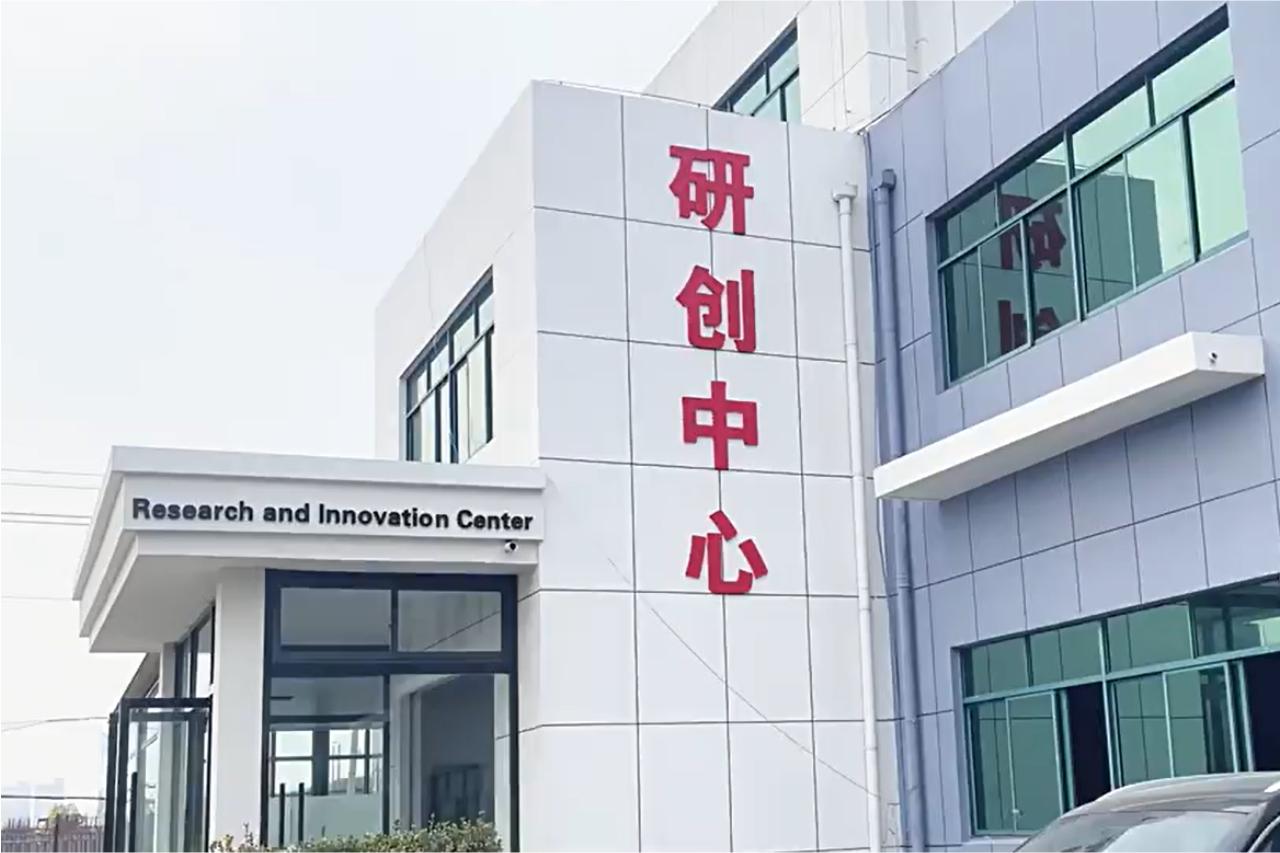
Confirm the legal manufacturer and production site, not just the sales company. Ask for the quality-system scope, relevant product records, manufacturing controls, traceability process, change control, complaint handling, and examples of batch-release documents. Verify important registrations or certificates at the issuing source.
For US-related claims, review the separate guide on verifying FDA registration for Chinese dental suppliers. Registration or a certificate is not a blanket guarantee that every product, claim, label, or shipment is compliant.
Step 4: Build a Sample Approval Protocol
Do not approve a sample because it “looks good.” Create a scorecard covering appearance, odor, dissolution under defined water conditions, residue, packaging fit, tablet breakage, and performance on the intended appliance materials. Record sample code, formula version, date, test method, and result.
- Request a standard sample first to establish a baseline.
- Test no more variables per round than your team can evaluate objectively.
- Use the same water volume, temperature, soak time, soil, and appliance material.
- Keep signed or photographed reference samples and the written specification.
- Confirm how the approved laboratory sample will be transferred to mass production.
Step 5: Design Packaging Around Moisture Protection and Compliance
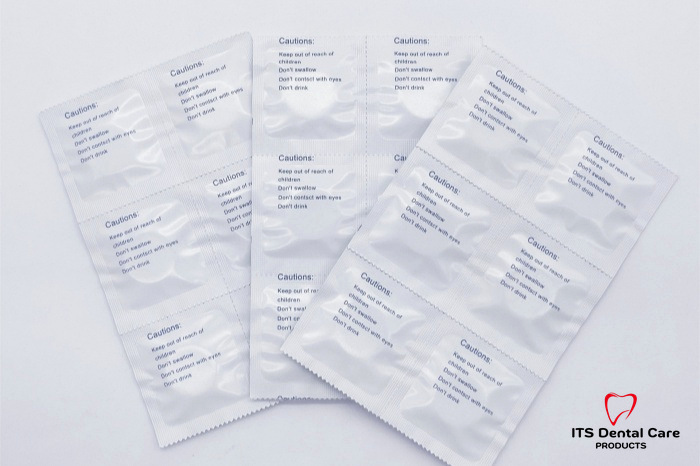
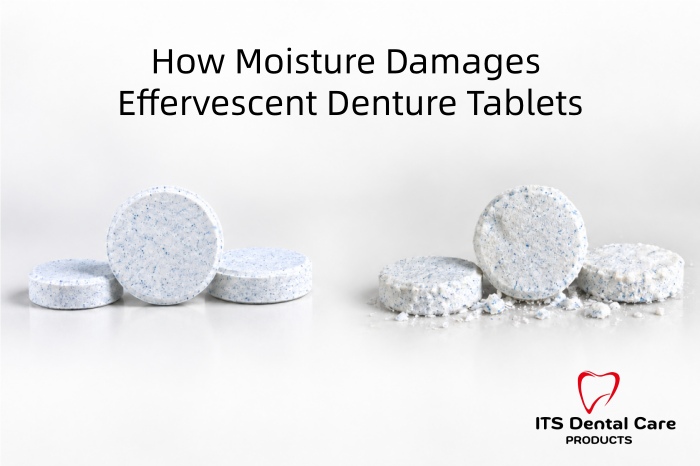
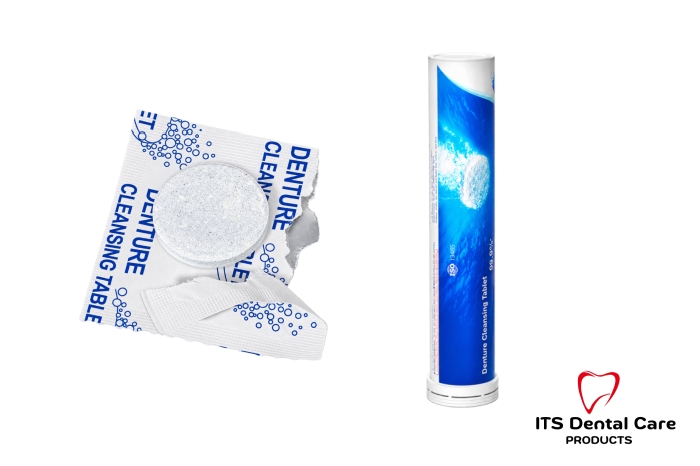
Effervescent tablets need appropriate moisture protection. Select the primary pack before finalizing the carton because foil, tubes, or other barrier formats affect dimensions, equipment, MOQ, cost, and shelf-life evidence. Then prepare the carton, directions, warnings, ingredients, company details, coding area, barcode, and language versions.
Ask the manufacturer for dielines and coding limits, but assign final label review to qualified people for each market. Keep claims identical across carton, listing, advertising, and supporting evidence.
Step 6: Model MOQ, Cash Flow, and Reorder Risk
The practical MOQ may come from printed foil or cartons rather than the tablets. Read the denture cleanser MOQ guide and ask the supplier to separate the minimum for formula, tablet run, foil, carton, pack size, language, and artwork version.
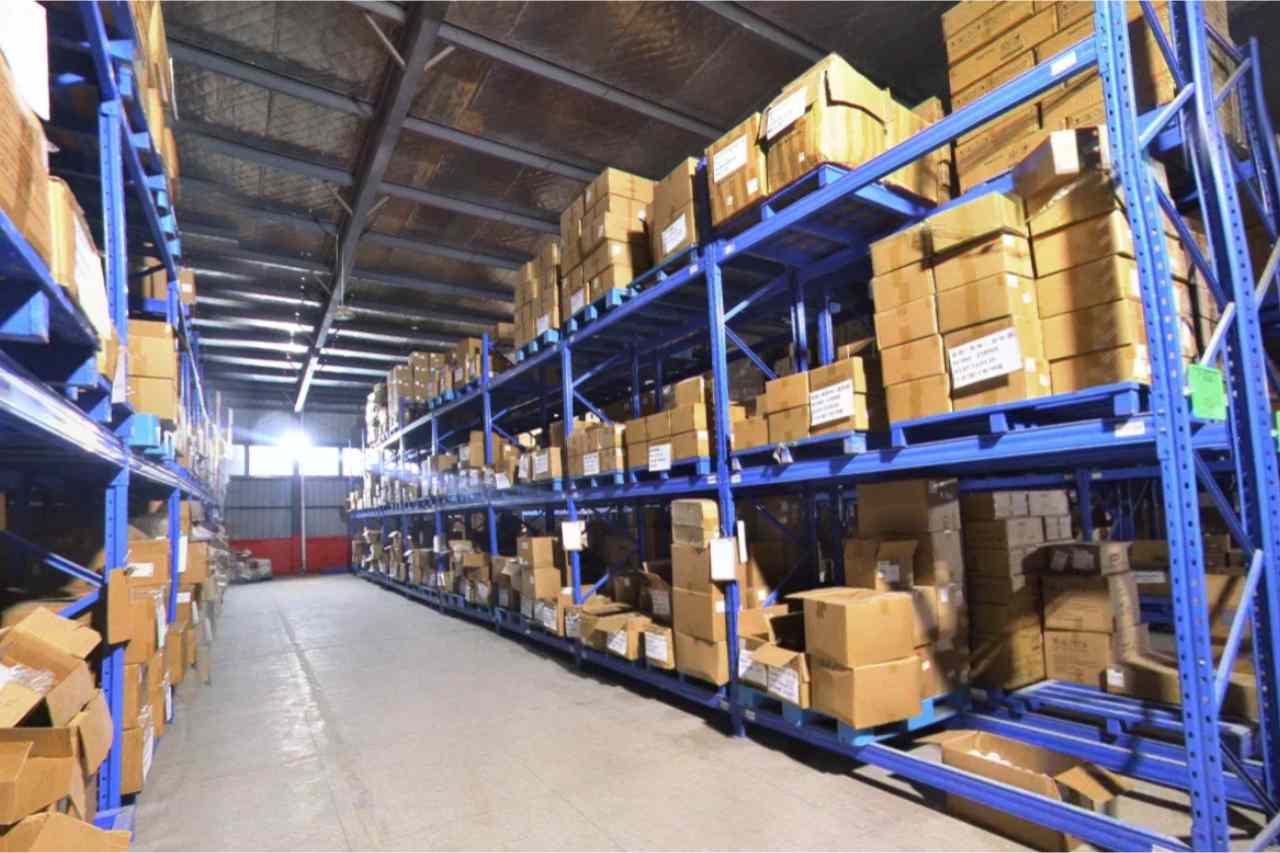
For a first launch, concentrate volume into one formula, one pack count, and one artwork version. Build a monthly sales forecast with conservative, expected, and high cases. Include samples, damage, promotions, returns, safety stock, and the time needed to reorder.
Step 7: Approve the Commercial Package
A purchase decision needs more than a unit price. Approve the signed specification, sample, artwork, quality plan, testing, document list, price tiers, one-time charges, Incoterm with named place, payment milestones, production start condition, inspection rights, and change-control process.
| Approval item | Evidence to keep |
|---|---|
| Product | Signed specification and approved sample |
| Packaging | Dieline, print proof, barcode check, coding plan |
| Quality | Methods, acceptance criteria, COA and release plan |
| Commercial | Quotation, PO, payment and Incoterm |
| Schedule | Milestones, dependencies and responsible owner |
Step 8: Control Production, Inspection, and Shipment
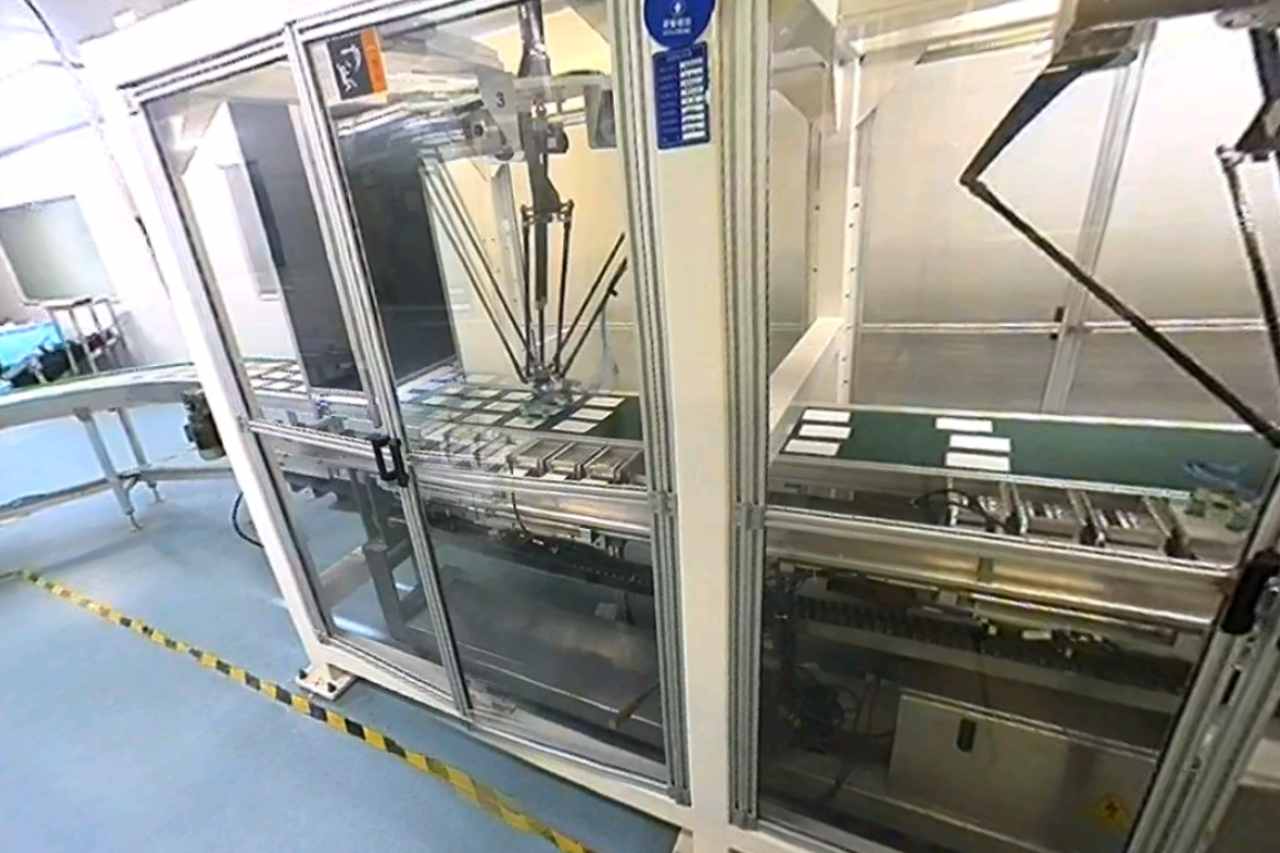
Request a pre-production confirmation after materials and artwork are ready. During production, monitor agreed milestones rather than asking only whether the order is finished. Before shipment, verify quantity, lot and date codes, carton marks, packaging condition, key test results, documents, pallet configuration, and booking details.
A Practical 90-Day Launch Timeline
| Period | Primary work | Decision gate |
|---|---|---|
| Days 1–15 | Market brief, supplier shortlist, product route | Approve target product and RFQ |
| Days 16–30 | Samples, technical questions, supplier verification | Approve formula direction |
| Days 31–45 | Final sample, claims, label content, dielines | Freeze specification and text |
| Days 46–60 | Artwork proof, quotation, PO, packaging order | Authorize production inputs |
| Days 61–90 | Production, testing, inspection, shipping preparation | Release shipment and launch assets |
Treat this as a management framework, not a promise. Custom formulation, additional tests, multiple languages, complex finishes, corrections, holidays, and ocean freight may extend the schedule. The factory should provide a project-specific milestone plan after requirements are confirmed.
Launch Readiness Checklist
- The product and target user are defined in writing.
- Supplier entity, site, capabilities, and key documents are verified.
- The approved sample matches a controlled specification.
- Claims have evidence and market-specific review.
- Artwork, barcode, directions, coding, and languages are approved.
- MOQ and all one-time, optional, and logistics costs are understood.
- Quality, inspection, release, and change-control responsibilities are clear.
- Inventory, fulfillment, listing assets, customer support, and reorder date are ready.
Final Takeaway
The fastest sustainable launch is the one with the fewest unresolved decisions. Start with a narrow customer and SKU, use measurable sample criteria, freeze packaging only after compliance review, and turn every approval into a controlled record.
Explore ITS Dental Care’s denture cleaning tablet options, compare the wider dental care product range, and contact the team for samples and a project-specific quotation.


ITS Dental is a trusted manufacturer of high-quality denture care products, including denture cleaning tablets, adhesive creams, and retainer cleaning solutions, offering customized services for global partners.