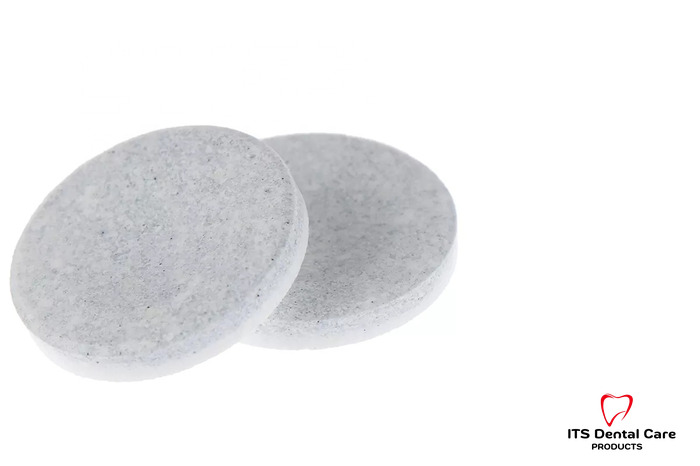
AQL and Pre-Shipment Inspection for Denture Cleaning Tablet Orders
Published On:
AQL and Pre-Shipment Inspection for Denture Cleaning Tablet Orders
An AQL pre-shipment inspection draws a sample from a defined lot and applies agreed acceptance rules to specified defects. For denture-cleaning tablets, the report is only useful if the inspector checks the correct formula reference, foil pack, carton artwork and lot. A carton photo alone cannot answer those questions.
Buyers should settle the product, pack, sampling and release decisions in writing before the inspector arrives. The sampling result does not replace laboratory testing.
What should be fixed before the inspection date?
Give the inspector the same approved references your supplier uses for production. A purchase order alone may not identify the current formula revision, number of tablets per foil strip, retail-box artwork or destination-market language. If any of those changed after sample approval, record the new version and who accepted it.
Define the inspection lot and sampling unit in writing. Are you inspecting individual tablets, foil sachets, retail boxes or shipping cartons? If an order contains several formulas, pack counts or languages, state whether each SKU is a separate lot. The sampling plan cannot be interpreted reliably when the unit being counted changes halfway through the report.
| Brief item | What the buyer should provide |
|---|---|
| Product identity | SKU, approved formula/specification revision and sample reference |
| Pack identity | Foil format, tablets per pack, retail-box count, artwork version and coding location |
| Lot definition | Quantity and whether formulas, pack counts or market languages are separated |
| Sampling plan | Agreed standard and edition, inspection level, AQL by defect class, and sampling unit |
| Defect list | Written examples of critical, major and minor findings for this SKU |
| Release rule | Who can accept, hold, request rework or authorize shipment |
The OEM product-brief guide can help you collect product requirements before those references become an inspection brief.
What can a pre-shipment inspection check on finished goods?
The inspector can compare sampled goods with the approved physical sample, specification and artwork. For denture-cleaning tablets, useful checks span three layers: the tablet, its immediate pack and the retail/export pack. State the method and tolerance for any measurement; “looks acceptable” is not a substitute for a specified weight, count or legibility check.
| Layer | Examples to include in the brief | Required reference |
|---|---|---|
| Tablet presentation | Visible breakage, color, shape and weight where specified | Approved sample and tablet specification |
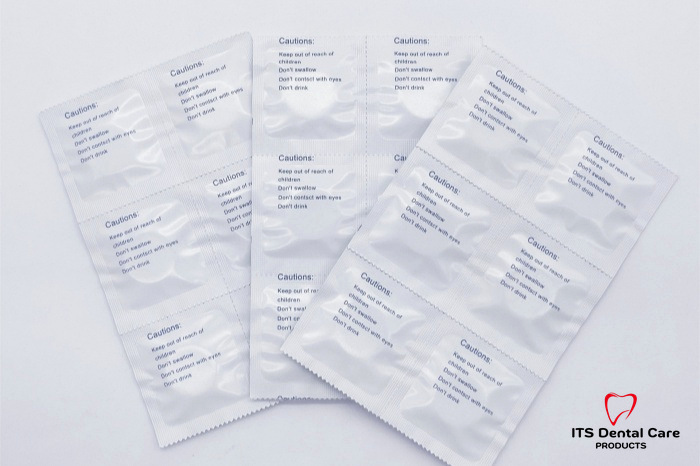
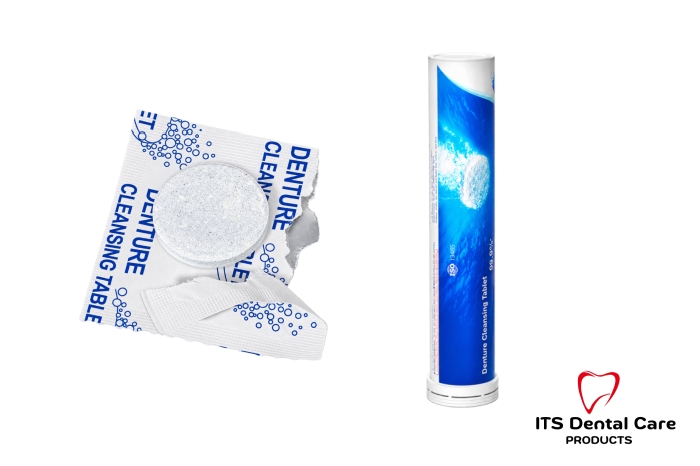
| Foil or other primary pack | Pack count, visible damage, print, lot/date code and correct pack format | Approved pack specification and artwork |
| Retail box | Tablet count, language, barcode, warnings, claims and matching lot/date information | Signed print proof and market-specific label copy |
| Export carton | Quantity, carton marks, condition and SKU separation | Purchase order and packing specification |
A visual check can identify a torn foil edge or unreadable code. It cannot by itself establish moisture-barrier performance, a claimed shelf life or cleaning efficacy. If those claims matter to the purchase decision, ask separately for the applicable test method and records for the approved formula and pack. The packaging artwork approval checklist covers the print-copy and version questions that an inspector should compare against the finished carton.
How does AQL sampling decide whether a lot is accepted?
ISO 2859-1:2026 describes acceptance-sampling schemes for lot-by-lot inspection by attributes. ASQ's explanation of attribute sampling distinguishes a counted nonconformity from a measured variable such as time or weight. Both sources are about how a sample is selected and judged against a plan; neither sets the right defect severity for your denture tablet SKU.
Write down the agreed standard and edition, lot size, inspection level, AQL for each defect class, sampling unit and acceptance/rejection numbers selected from the applicable plan. The person preparing the report should show the sample size actually drawn and the number of findings in each class. Do not copy a sample size or acceptance number from another order: changing the lot or plan can change the decision boundary.
An accepted sample does not mean every tablet in the shipment was inspected. It means the inspected lot met the agreed acceptance rule for the checks performed. Laboratory results, market-label approval and buyer release may still be open.
Which findings belong in each defect class?
Agree on examples before production is inspected. A missing or wrong-language warning, an incorrect tablet count, an unreadable lot code, a visibly compromised primary pack and a small carton scuff have different consequences. Their classification depends on the approved product, intended market, label obligations and buyer risk policy; this article does not assign universal critical, major or minor grades.
Ask the inspector to record the exact finding, sampled unit, count and photograph against the agreed defect catalog. A note such as “packaging issue” is too vague for a rework decision. If a defect was not anticipated, the report should separate the observation from the buyer's classification decision rather than quietly placing it in a favorable category.
For printed foil and cartons, compare the production version with the signed proof. For tablets, compare the inspected batch with the approved sample and specification revision. A discrepancy between approved documents is itself a hold question: the inspector cannot choose which version the buyer intended to buy.
Which questions need a separate test or document review?
A pre-shipment inspection and a batch test answer different questions. The inspector can check whether a batch document identifies the intended SKU and lot, but a visual AQL count does not measure composition, dissolution under defined conditions, claimed antibacterial performance or long-term stability. Those subjects need the applicable method, acceptance criteria and product-specific evidence.
Request each record by name, issue date, product identity and lot or formula revision. If a buyer asks for a COA, state which tests and limits it must contain. If a label makes a cleaning or antimicrobial claim, confirm that the evidence matches the formula, use directions, contact time and destination market. A test for another tablet or pack is not automatically transferable.
The same separation applies to packaging. A sampled foil strip may look intact, yet any barrier or shelf-life claim should be supported through the relevant pack specification and testing. The site's moisture-protection guide explains why pack choice belongs in the product brief; the inspection agreement must still name the actual approved pack.
What should the final report and release decision show?
A useful report ties every finding to the order. It names the site and date of inspection, inspected lot and SKUs, production/packing status, reference documents, standard edition, sample drawn, defects by class and photographs. It should also list measurements or on-site checks performed and identify any test records that were reviewed separately. If a required record was unavailable, say so; absence is not a passing result.
The buyer should decide what happens after a pass, hold or rejection. A pass can release the checks covered by the inspection plan while leaving a separate laboratory or label review outstanding. A hold can require missing documents or a classification decision. A rejection may lead to rework, segregation and a new inspection against an agreed plan. Record who approves that action and which report version closes it before shipment instructions are issued.
When requesting a quote for denture cleaning tablets, include your target market, formula route, approved pack format, expected order range and proposed inspection scope. Send those details through the ITS contact page and ask which product-specific records are available for your SKU. Confirm the inspection and release terms in writing before production begins.
Related Posts

Get in Touch with ITS Dental
Send your product and packaging questions. Include the SKU, destination market and timeline so we can respond with the relevant details.


ITS Dental makes denture-care products and discusses product and packaging requirements with B2B buyers.