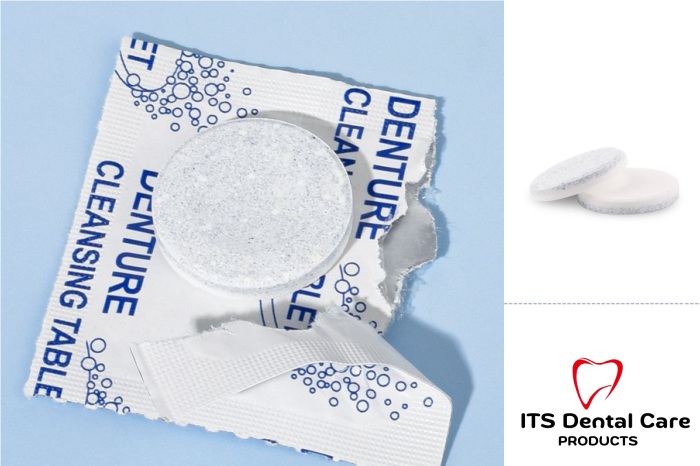
An OEM denture cleanser project does not begin when the factory presses the first tablet. It begins when the buyer defines the market, formula route, tablet specification, packaging, evidence, and approval responsibilities. Production time is only one part of the schedule; samples, artwork, printed packaging, quality release, and freight often determine the actual launch date.
This guide provides a realistic week-by-week planning model for private label denture cleaning tablets. It separates a standard-formula project from a modified or fully custom project and shows which buyer decisions can keep the critical path moving.
The Short Answer: Count Lead Time From Confirmed Inputs, Not the First Email
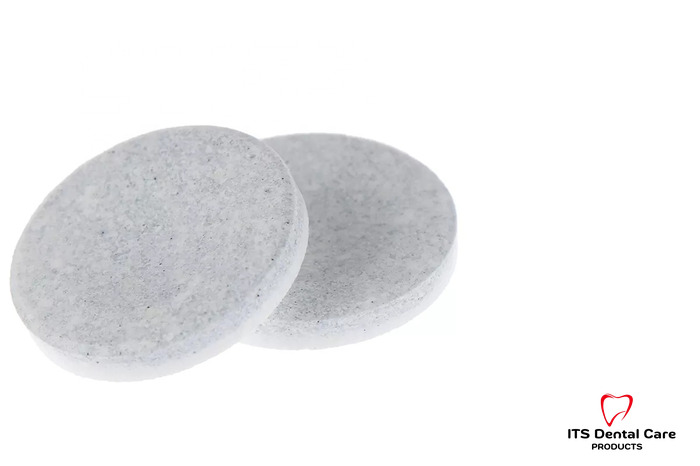
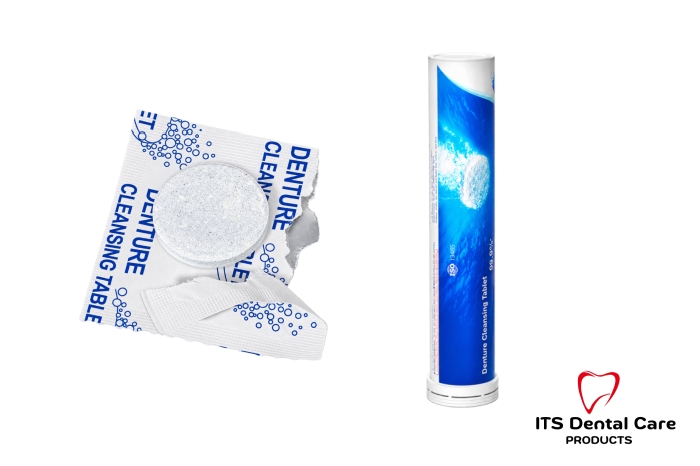
For ITS Dental Care’s standard private label route, the denture cleaning tablet product page currently states a production lead time of approximately 30–35 days after sample approval. That figure is a manufacturing-stage reference, not a complete launch promise. Time before sample approval, artwork confirmation, packaging readiness, testing, shipment booking, and transit must be added.
A straightforward standard-formula project can often move from a complete brief to shipment readiness in roughly 8–12 weeks when decisions are prompt and packaging is conventional. A modified or custom formula commonly needs a longer development window and may take 12–20 weeks or more before freight transit. These are planning ranges; the factory must confirm a project-specific schedule after the specification and market requirements are known.
Standard Formula vs. Custom Formula Timeline
| Project route | Typical work before production | Planning range to shipment readiness |
|---|---|---|
| Standard formula | Existing formula sample, branded packaging, routine quality plan | About 8–12 weeks |
| Modified formula | Selected changes, sample iterations, added verification | About 10–16 weeks |
| Fully custom formula | R&D, sourcing, repeated samples, validation/stability needs | About 12–20+ weeks |
The ranges above do not include international transit and are not guaranteed quotations. Complex claims, additional laboratories, new tooling, multiple languages, special printing, regulatory review, or repeated changes can extend them.
Week 0: Submit a Complete Product Brief
The clock should start only when the manufacturer has enough information to act. A complete brief defines target markets, sales channels, intended appliance materials, formula route, tablet weight and count, soak time, color and fragrance, packaging format, claims under consideration, documents, quantity, launch date, and delivery destination.
- Identify which requirements are mandatory and which are open to supplier recommendation.
- Name the person who can approve formula, packaging, compliance text, and commercial terms.
- Provide expected first order and annual volume.
- Request separate milestones for samples, artwork, packaging, production, release, and shipping.
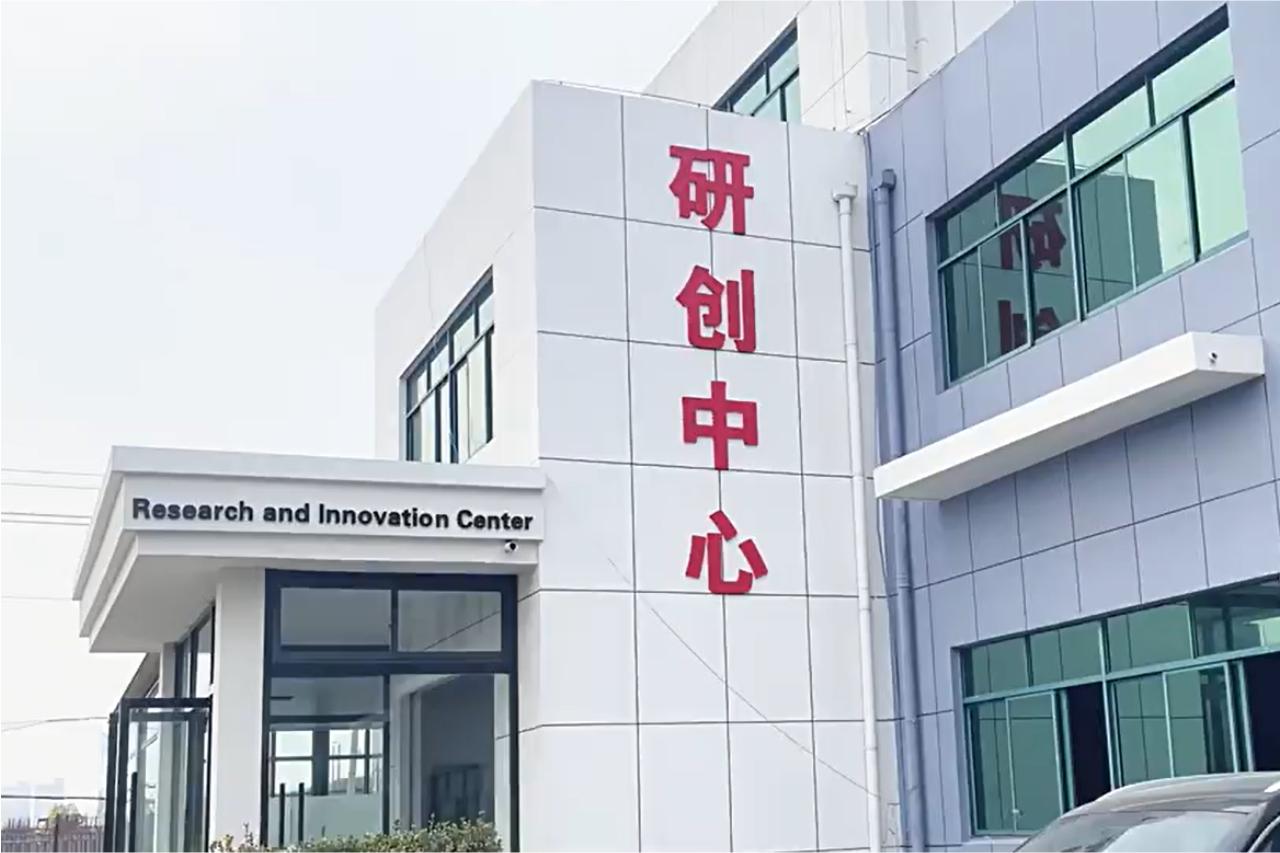
Weeks 1–2: Technical Review and Baseline Samples
For a standard formula, the supplier can normally review the brief, identify available specifications, prepare or dispatch representative samples, and flag packaging or documentation constraints. A custom project begins with formulation feasibility, ingredient sourcing, target performance, and the test plan; the first sample may therefore take longer.
Buyer actions that prevent delay
- Agree on one sample evaluation method before samples arrive.
- Use defined water volume, temperature, soak time, appliance material, and acceptance criteria.
- Consolidate feedback from marketing, quality, and regulatory reviewers into one response.
- Avoid asking the factory to change several variables without stating which result matters most.
Weeks 2–4: Sample Evaluation and Formula Approval
Record sample code, formula version, date, appearance, dissolution behavior, odor, residue, packaging condition, and results against the agreed criteria. If a sample fails, give measurable feedback. “More powerful” or “better smell” is not enough; describe the target and test condition.
Standard projects may be approved within one organized round. Modified and custom projects may require two or more cycles. Every new cycle can affect ingredients, cost, MOQ, evidence, shelf-life work, and the following milestones.
Weeks 2–5: Compliance and Label Content in Parallel
Do not wait for the final sample before collecting all label inputs. While samples are evaluated, confirm the product name, directions, warnings, ingredients, company details, languages, barcode, batch and date coding, storage conditions, and proposed claims. Assign market-specific review to qualified advisers.
If the US market is involved, the guide to verifying FDA registration for Chinese dental suppliers explains why buyers should verify the entity, site, product context, and record directly rather than treating a logo or certificate as universal approval.
Weeks 3–6: Dielines, Artwork, and Print Proofs
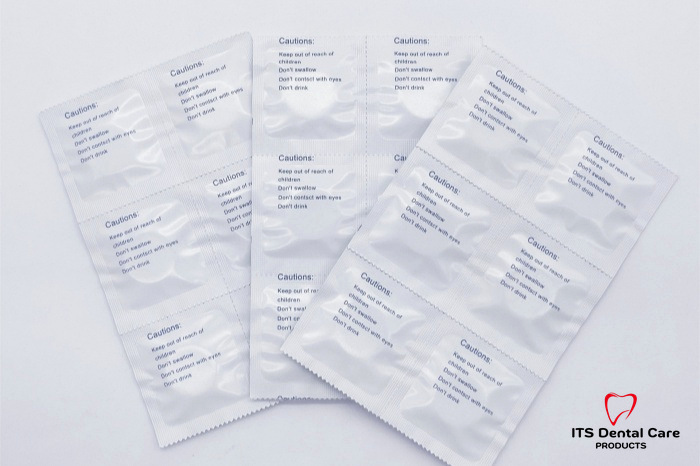
Once the pack format and count are stable, the manufacturer supplies or confirms dielines and coding areas. The buyer prepares artwork; both parties check dimensions, copy, languages, barcode, color reference, lot/date space, and print limitations. Approve a digital or physical proof in writing.
- Freeze compliance text before decorative refinements.
- Use version numbers and one approval owner.
- Confirm whether foil, carton, insert, label, and master carton have separate artwork.
- Do not release printing while a barcode, address, claim, or language is still provisional.
Weeks 5–8: Packaging Procurement and Pre-Production
Printed foil and retail cartons can be the critical path. The MOQ guide for denture cleanser manufacturing explains that packaging suppliers may impose minimums and setup requirements independent of the tablet run. Ask when raw materials and packaging are actually available—not merely when the PO was paid.
Before production, confirm the signed specification, approved sample, final artwork, purchase order, packaging quantities, quality plan, tests, coding, pallet requirements, payment milestone, and inspection arrangement. The factory should issue a milestone update if any input is late.
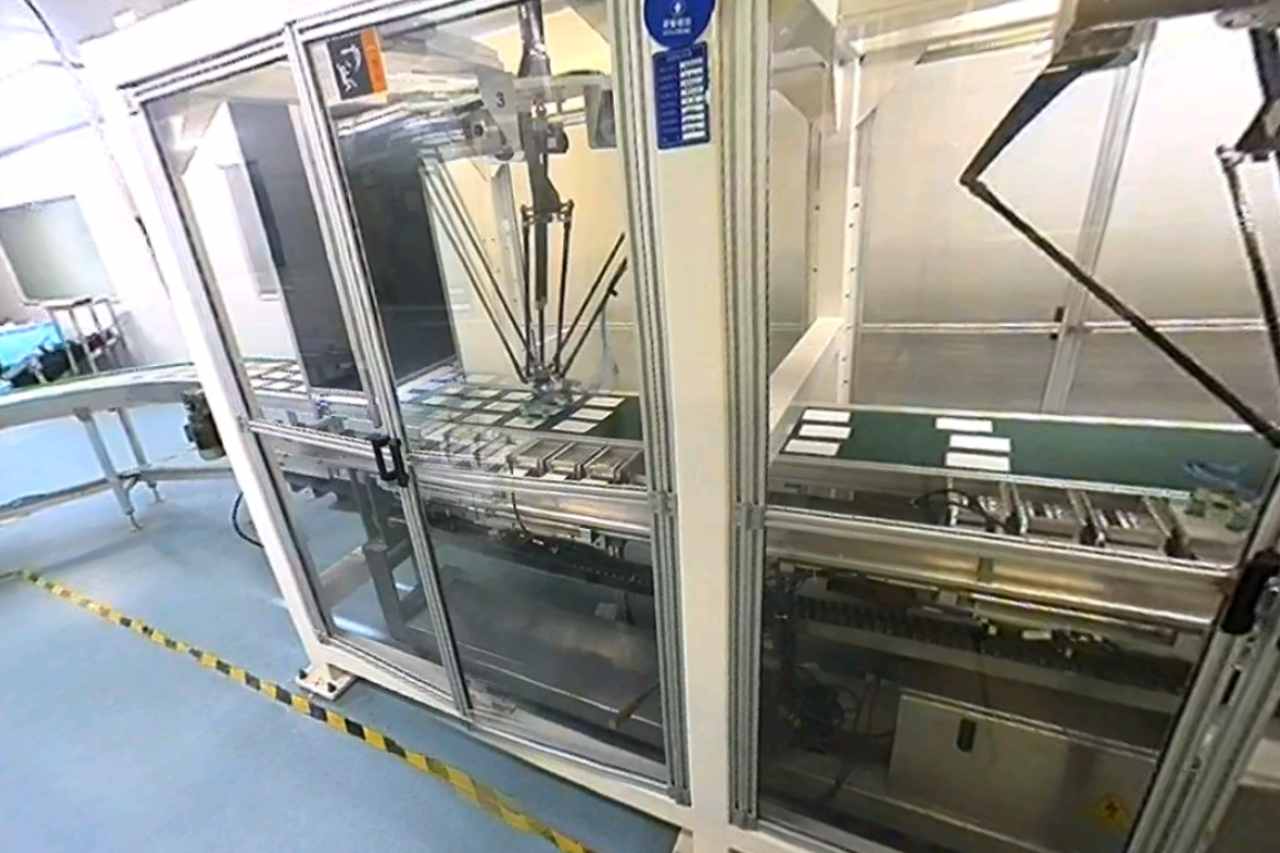
Weeks 7–11: Mixing, Pressing, Packaging, and In-Process Control
The manufacturing window begins only after the agreed start conditions are satisfied. Activities can include line clearance, controlled blending, tablet pressing, appearance and weight checks, dissolution or other in-process tests, primary packaging, carton packing, coding, reconciliation, and master-carton preparation.
ITS Dental Care’s product page gives 30–35 days after sample approval as its current standard reference. Buyers should still request a dated production plan because packaging supply, order size, SKU count, factory loading, holidays, and additional tests may change the project.
Weeks 10–12: Finished-Product Testing and Release
“Production complete” should not automatically mean “ready to ship.” The finished lot must pass the agreed release checks. Request the COA or other batch documents, quantity reconciliation, lot and date information, packaging inspection, and any project-specific laboratory reports.
| Release checkpoint | Evidence |
|---|---|
| Product identity and specification | Batch record and finished-product result |
| Tablet and performance checks | Agreed methods and acceptance results |
| Packaging and coding | Inspection record and approved artwork comparison |
| Quantity and cartons | Packing list and reconciliation |
| Final authorization | Named quality release or agreed sign-off |
Weeks 11–13: Inspection, Booking, and Export Documents
Arrange pre-shipment inspection early enough to correct issues without missing the vessel or air booking. Confirm commercial invoice, packing list, country-of-origin or other required documents, carton marks, gross/net weight, dimensions, pallet plan, HS-code discussion with the broker, and the Incoterm with named place.
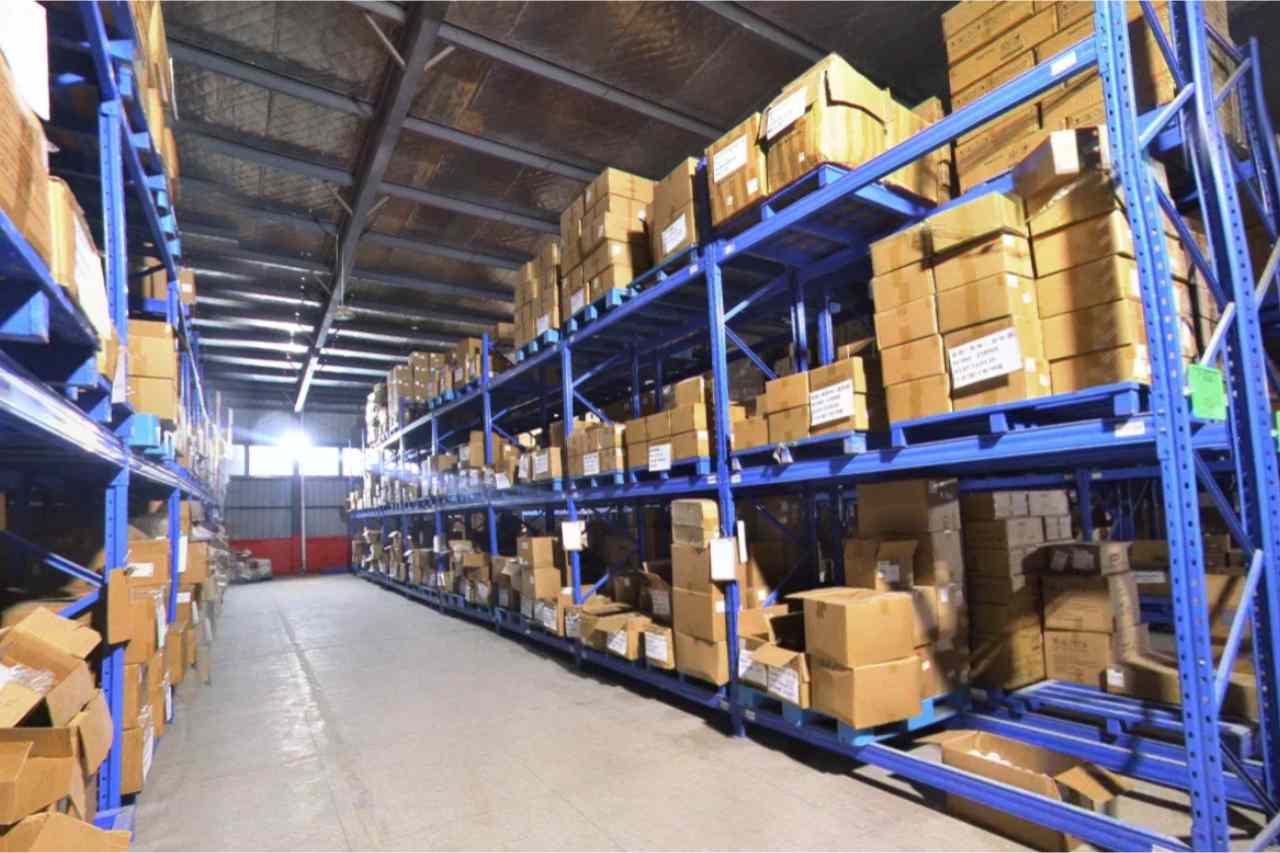
Add Freight Transit Separately
Shipment readiness is not delivery. Add booking lead time, origin handling, international transit, customs clearance, destination handling, appointments, and final delivery. Air, courier, rail, and ocean schedules differ and can change; obtain a current logistics estimate when the cargo details and destination are confirmed.
The Critical Path for Most Projects
| Gate | Cannot proceed until | Common delay |
|---|---|---|
| Formula approval | Sample meets written criteria | Unclear or conflicting feedback |
| Packaging order | Pack and artwork are frozen | Late label review or barcode |
| Production start | Materials, packaging, PO, payment and approvals ready | Missing component or change request |
| Batch release | Testing and documentation pass | Extra testing or investigation |
| Shipment | Inspection, documents and booking confirmed | Incorrect marks, weights or destination documents |
How Buyers Can Shorten Lead Time Safely
- Start with a mature standard formula when differentiation can come from brand and pack design.
- Launch one flagship SKU before adding flavors, counts, or languages.
- Submit a complete RFQ and use one decision owner.
- Run label review and sample evaluation in parallel.
- Use measurable consolidated feedback and time-box approvals.
- Reserve testing and inspection before production finishes.
- Maintain a rolling forecast and reorder before safety stock is consumed.
Timeline Questions to Ask the Manufacturer
- What event starts each lead-time commitment?
- Which materials or components are not yet available?
- What is the critical path and current responsible party?
- How many sample rounds are included and how long does each round take?
- When must artwork be frozen to protect the production slot?
- Which tests occur after packaging and how long does release take?
- What dates are factory-ready, inspection-ready, and cargo handover?
- Which holidays, capacity constraints, or supplier dependencies affect the plan?
Final Takeaway
A reliable OEM denture cleanser timeline is a chain of approved inputs and verified outputs, not one production number. Separate pre-production development, the factory manufacturing window, quality release, and freight. Then assign an owner and start condition to every milestone.
Review ITS Dental Care’s denture cleaning tablet options, understand how MOQ and packaging affect scheduling, and contact the team for a specification-based milestone plan.



ITS Dental is a trusted manufacturer of high-quality denture care products, including denture cleaning tablets, adhesive creams, and retainer cleaning solutions, offering customized services for global partners.