A packaging design can look finished on screen and still be unfit for print. A wrong tablet count, an outdated instruction, or a barcode placed across a fold can be repeated across an entire order. For a private-label denture care buyer, artwork approval means checking the final print file against an approved product, pack, market, and claim set. Give the printer one traceable release decision with named approvers and a file revision.
This checklist covers denture cleaning tablets and adjacent denture care products such as adhesive cream. It focuses on artwork content and print release. Product specifications, packaging material tests, and legal market classification need their own approvals.
Freeze the product and market inputs first
Artwork cannot be approved while its source information keeps changing. Start with one product or SKU, its approved specification, the exact pack count or fill, the primary and retail packaging formats, and every destination market. Identify who owns the brand, who supplies the product, and who signs off on regulatory wording. If a product changes after this point, reopen the artwork review rather than editing a line in a supposedly final PDF.
The OEM product brief is a useful starting document, but artwork approval asks a narrower question: does the file being sent to print match the product that was actually approved? A private-label denture cleaner tablet and a denture adhesive cream should not share a generic copy block merely because both sit under one brand. Their use directions, pack quantities, ingredients, warnings, and claim evidence may differ.
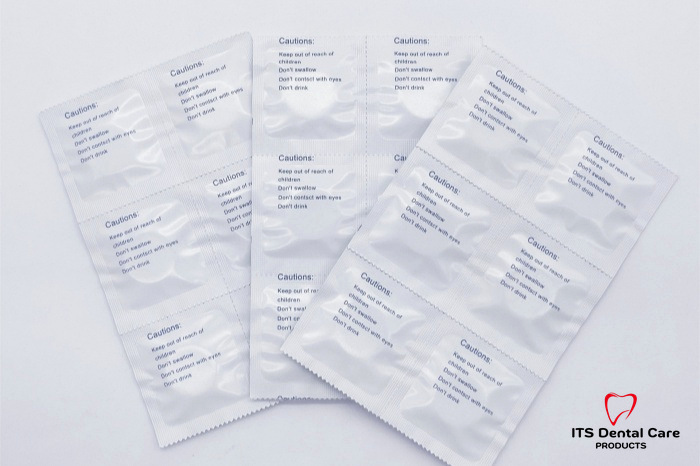
Create an artwork control record before review begins. Record the SKU, product version, packaging component, destination country, language, file revision, dieline revision, barcode number, and named approvers. A carton, tube label, foil print, insert, and master-carton mark may need separate files. Treat each as a controlled component of one saleable pack.
Check every printed statement against a source of truth
Read the exported print PDF panel by panel. The brand team should compare commercial copy with the approved product brief; the product or quality owner should check technical text; a qualified market reviewer should check claims and required labeling. A printer can flag a production problem, but a printer's proof does not establish that a cleaning or safety claim is true.
Use the denture cleaning tablet RFQ guide to confirm what the supplier was asked to make. Then complete this release check against the final specification and documents, not an early sales presentation:
| Artwork item | Compare it with | Hold release if |
|---|---|---|
| Product and variant name | Approved SKU and product specification | The name or pictured product refers to another formula or format |
| Tablet count, net quantity, or cream fill | Final pack specification | Front, back, insert, or carton show different quantities |
| Ingredients and directions | Approved product text for that market | An old formula or unapproved instruction remains |
| Warnings and responsible-party details | Market-specific regulatory review | Required wording or contact details are unresolved |
| Benefit and performance claims | Claim-by-claim evidence register | The file promises a result beyond available evidence |
| Barcode and product data | Brand owner's SKU and GTIN record | The encoded number belongs to another item or pack level |
| Lot/date coding area | Agreed coding method and packaging drawing | Print, folds, or seals obstruct the reserved area |
| Language version | Approved translation and destination-market list | Panels mix revisions or omit a required language |
Do not assume every row above is legally required for every denture care product. The final label depends on product classification, intended use, claims, packaging, channel, and country. The table is a way to find discrepancies before print authorization.
Review claims and market language separately from graphics
Claims often change late because a product manager wants stronger shelf copy. Pause the release when that happens. “Kills 99.9%,” “safe for every denture material,” “clinically proven,” or “FDA approved” each carries a different evidence and legal question. The US Federal Trade Commission says objective advertising claims need a reasonable evidentiary basis before an ad runs, with stronger support commonly needed for health or safety claims. Match each proposed sentence to the exact product version, test, conditions, and intended market before it enters the approved artwork.
Facility registration also needs precise wording. For a US medical-device context, FDA explains that establishment registration and device listing do not mean FDA approval, clearance, or authorization. Do not turn a facility record into a product approval logo or promise. Ask the responsible reviewer to confirm the exact product's classification in each intended market before approving its label.
Translation needs the same discipline. A label approved in English is not automatically ready for Germany, Italy, Sweden, or another destination. Where a product is a medical device under EU rules, the European Commission's country-by-country language overview is one reference for a qualified reviewer. For any product category, verify local wording, warnings, responsible-party information, and the approved source text rather than relying on a website's automatic translation. The site's OEM and private-label service page describes the commercial pathway; it does not replace product- and market-specific label approval.
Test barcodes and links on a real-size proof
A barcode carries product data. Ask the brand owner to confirm its GTIN or other identifier, the unit it represents, and where that unit will be scanned. Retail packs, inner packs, and shipping cartons may use different identifiers or symbols. Compare the digits printed below the bars with the approved record, then test a final-size proof. GS1 US advises attention to resolution, contrast, quiet zones, placement, and intended print size.
Packaging shape matters. A small carton panel and a curved custom denture-tablet tube present different placement constraints. Do not shrink barcode artwork merely to make a crowded layout fit. Ask the printer for a corrected layout or a new symbol image at the intended dimensions, then verify a production-equivalent sample. A QR code needs a separate check: scan it from the proof, confirm the destination is live, and confirm that destination belongs to the approved brand and market.
Keep variable information out of a fixed design area unless the production method calls for it. Reserve enough clear space for the approved batch, manufacture, expiry, or other coding method where applicable. The buyer and supplier should agree on the actual code location before the file is released. A beautiful proof that leaves nowhere to print traceability data is not ready.
Inspect the physical pack, not just the flat file
A dieline maps panels, folds, seams, cuts, and safe areas. The packed product still needs a fit check, and text must remain visible after forming. Ask for the current dieline from the intended packaging supplier and compare it with the actual component. Check which way panels face after folding, where a tube label joins, and whether a foil seal or carton glue area covers copy. Keep artwork review separate from the underlying packaging-specification decision.
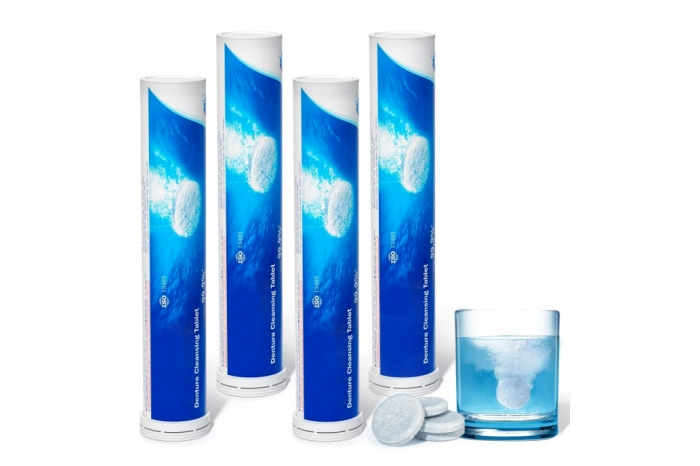
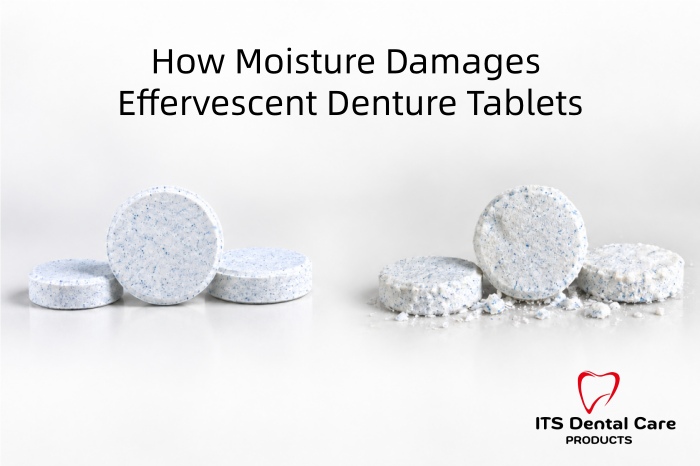
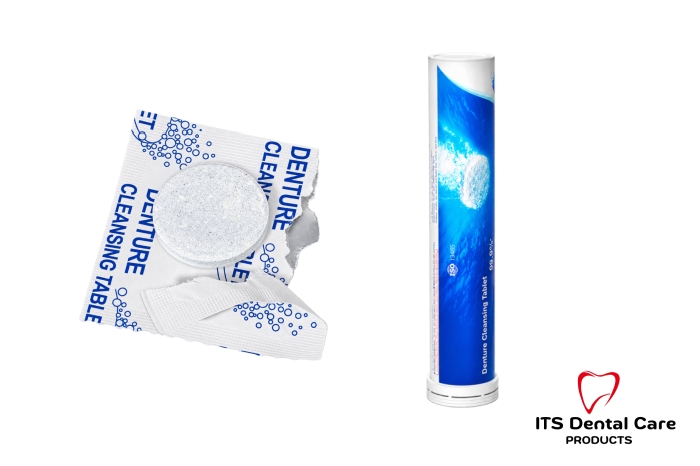
For cleaning tablets, the foil-versus-tube comparison helps buyers choose a format. Once that choice is settled, inspect its print file on the formed pack. A packaging proof should show readable instructions, usable opening areas, and a barcode that remains scannable after conversion. Artwork cannot establish moisture protection; that requires separate packaging evidence, as discussed in the site's tablet moisture-protection guide.
Approve color against an agreed physical reference or production-equivalent proof when color accuracy matters. A screen preview can reveal layout errors but cannot settle every printed color or finish. Inspect the actual substrate, folds, code area, seal or closure, packed-product fit, and master-carton markings before authorizing a large run. Record any deviation, the revised file, and who accepted the result.
Release one revision with named sign-offs
An email saying “approved” is hard to audit if several files share the name “final.” Give the printer one released file and one revision identifier. Keep editable source files under control, but specify which exported PDF or production file is authorized for printing. Withdraw superseded versions from the supplier's working folder. If a claim, quantity, language, barcode, or packaging component changes, issue a new revision and repeat the affected checks.
A compact sign-off record makes the handoff unambiguous:
| Release field | Entry to record |
|---|---|
| Product/SKU and pack component | Exact item and carton, label, foil, tube, insert, or shipping mark |
| Market and language | Destination country and approved language version |
| Product and artwork revision | Specification ID, dieline ID, file name, revision, and date |
| Brand approval | Name, role, date, and commercial-copy decision |
| Technical/quality approval | Name, role, date, and product-text decision |
| Regulatory approval | Reviewer, applicable market, decision, and any conditions |
| Print feasibility approval | Printer or packaging owner, proof reference, and open issues |
| Final decision | Release, release with documented conditions, or reject/revise |
Do not let “release with conditions” conceal an unresolved barcode, safety statement, or market label. The final approver should know which corrections are mandatory before print and which can be handled in a later revision. Carry the approved file ID into the purchase order, production handoff, and incoming-packaging inspection. The buyer should be able to connect a delivered pack to the version that was signed off.
If you are preparing a private-label denture care project, send your approved product brief, target markets, pack format, draft artwork, and open questions through the ITS Dental Care contact page. Ask for a product-specific review of production feasibility, and arrange separate approval of claims and destination-market labeling before print release.
Buyer questions before print approval
Can one artwork file cover several countries?
Possibly, but only if the final product and every included language, claim, instruction, symbol, and responsible-party detail have been reviewed for each destination. Use a market-version matrix. Do not assume one English file covers every channel or country.
Is a digital PDF enough to approve printing?
It can approve copy and layout when the parties agree on that scope. Physical or production-equivalent proofing may still be needed for color, barcode performance, folds, seals, surface finish, and packed-product fit. Define the required proof before the approval deadline.
Who is responsible for claims and regulatory wording?
Name the brand owner and a qualified reviewer for each destination market. A manufacturer or printer can check whether a file can be produced and flag inconsistencies, but do not treat production sign-off as legal approval. Keep evidence and approved wording tied to the exact product revision.



ITS Dental is a trusted manufacturer of high-quality denture care products, including denture cleaning tablets, adhesive creams, and retainer cleaning solutions, offering customized services for global partners.