A clinic can trial a plaque disclosing tablet in minutes, but a useful purchase decision takes more than a color check. The buyer needs to know which product was sampled, how staff will use it, what patients will read, and whether the delivered pack will match the approved sample. This checklist is for dental practices and distributors comparing tablets for professional education or take-home use. It is separate from our plaque disclosing tablet product page, where you can discuss the available product and request a quotation.
Before a bulk order, ask the supplier to identify the proposed SKU, formula revision, pack and instructions in writing. Evaluate those exact items with your clinical lead. Product details and permissible claims can vary by formula and destination market; a catalog picture alone is not a purchase specification.
Decide where and by whom the tablets will be used
A chairside demonstration, supervised hygiene lesson and take-home pack put different demands on the product. For chairside use, staff may prefer a format they can open and dispense quickly. A take-home pack needs directions that a patient can follow without an assistant standing nearby. A distributor also needs a clear sales unit and carton description for replenishment. Write the setting on the enquiry before comparing prices.
The Leeds Dental Institute patient instructions describe one practical use: the tablet colors plaque remaining on teeth so a patient can see where more brushing is needed. Those instructions do not establish the directions for every supplier's SKU. Ask your clinical lead to review the proposed product's own instructions and whether the setting calls for professional supervision.
If the clinic works with people who wear partial dentures, keep the purpose precise: the tablet is used to reveal plaque on remaining natural teeth under the approved instructions. Do not assume that a tablet intended for teeth is also a denture cleanser or suitable for every prosthetic material. That distinction matters when staff choose a sample and explain the product to patients.
Compare the actual product, not a category description
Request a sample code or SKU that can be matched to the product offered in the quotation. The document set should identify the formula revision, colorant and ingredient declaration, tablet count or weight where relevant, directions, warnings, storage conditions and the shelf-life basis for the proposed pack. Ask which statements are supported for this specific product and which are general explanations of disclosing tablets.
Do not transfer an ingredient, “safe for all ages” statement, regulatory status or performance claim from another brand's leaflet. The clinical lead should review ingredient questions, including known sensitivities, against the current declaration and the intended patient group. A distributor should also check the claim and label requirements for each destination market before approving artwork.

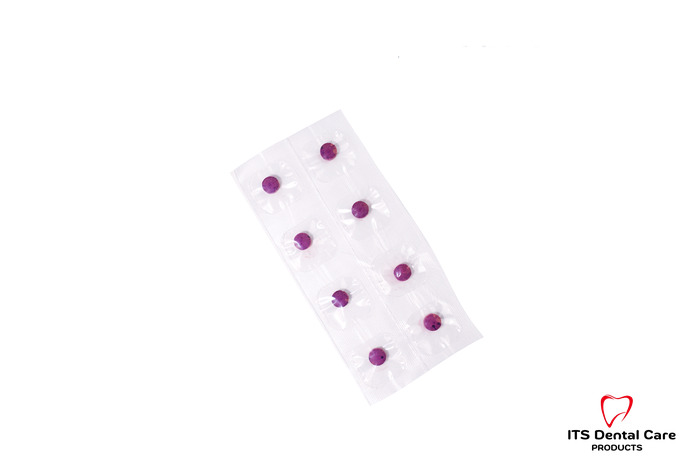
The photo above shows one illustrated retail presentation, not a promise that every available SKU has the same tablet count, formulation or artwork. Ask for the current pack drawing and sample for the product you intend to order.
Put the comparison on one purchasing sheet
Use the same questions for each supplier. This makes a trial result and quotation comparable and exposes missing documents early. A sample is useful only if the batch ordered later can be traced back to the same approved specification.
| Procurement field | Record from the proposed SKU | Decision before ordering |
|---|---|---|
| Identity | SKU, formula revision, sample reference | Does the quote match the tested sample? |
| Ingredients | Current declaration, colorant and warnings | Has the clinical lead reviewed the intended use? |
| Directions | Approved patient and staff instructions | Are the use steps clear for this setting? |
| Pack | Unit count, immediate pack, outer carton | Can staff dispense and store it as planned? |
| Coding | Lot and date location on each relevant pack | Can the clinic trace a supplied lot? |
| Market file | Label text and documents for the destination | Who approves local claims and language? |
| Commercial terms | Sales unit, quote basis and replenishment terms | Are competing offers expressed on the same basis? |
A public tender can illustrate how detailed an institutional request may become. A Kenyan government medical-supplies specification lists a blister format, packaging labels and sample submission for disclosing tablets. It is an example of one buyer's procurement document, not a universal requirement or evidence that ITS Dental holds the certifications named in that tender. Use the rules and specifications that apply to your own purchasing authority and market.
Run a small trial with a written evaluation record
Let a dental professional set the trial method. Record who used the product, the sample code, the instructions supplied with it, handling during opening and use, the visible coloring pattern, and how residual color was removed under those instructions. Staff feedback can note whether the presentation is practical for a busy appointment. If patients will take tablets home, ask a reader unfamiliar with the product to interpret the proposed directions before artwork approval.
Compare alternative suppliers under the same trial conditions. Do not compare one product after brushing with another before brushing and call the color result a product difference. Keep observations separate from supplier claims. A small demonstration can support a usability choice; it does not prove broad safety, treatment benefit, regulatory classification or a measured clinical outcome.
For a private-label project, sign off a physical sample or agreed visual reference alongside the document revision. Photograph the sample code and packaging used in the trial. If the seller later proposes a different color effect, flavor, ingredient declaration or pack, ask whether a new sample and review are needed before the purchase order changes.
Check the evidence behind the proposed label
A label is useful only if its claims can be checked against the product offered. Ask the supplier for the current directions, ingredient declaration, artwork proof and documents that support the specific claims you intend to print. Do not treat a certificate for a company, a test on another formula or a broad category statement as proof for this SKU. The clinic's clinical lead and the importer or brand owner may need to review different parts of the file.
Pay close attention to wording about safety, color performance, patient groups and therapeutic outcomes. A tablet that makes plaque visible during a chairside demonstration does not prove that it prevents disease. If a proposed claim is not supported, remove or qualify it before approving the pack. Record the approved text and its revision, then require the same revision on the production proof. That creates a direct line from the trial product to the pack patients receive.
If the destination market requires a particular product classification or label language, ask the responsible local party to confirm it. The article cannot determine regulatory status for every formula and country. The right question for purchasing is which document and accountable reviewer will settle the issue before an order is placed.
Match pack format to dispensing and stock control
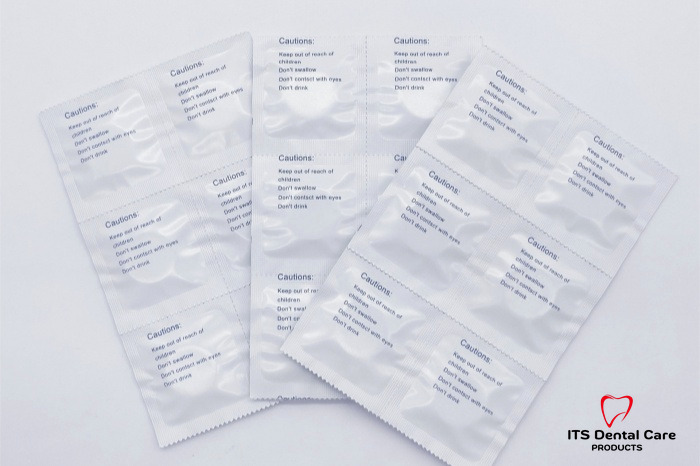
Blister cards, retail cartons and bulk containers solve different clinic problems. A patient pack may need space for readable directions and a lot/date code. A clinic dispenser may emphasize controlled storage and convenient counting. Compare the offered formats by the number of usable units, ease of opening, moisture protection stated in the actual pack specification and how staff will track stock. Do not assume that a photograph proves a packaging barrier or shelf life.

Check the proposed unit pack and outer carton separately. The name, tablet count, directions, warnings, language, lot/date location and responsible contact must be reviewed for the intended market. Obtain artwork proofs rather than asking staff to approve a tiny web image. If a distributor relabels or repacks, document who owns each text and traceability decision.
Compare the total order, not only the tablet price
A low price per tablet can become a poor fit if the unit count, pack protection or patient instructions do not suit the clinic's program. Ask each supplier to quote the same sales unit and destination. Record the sample policy, order minimum for that exact SKU, packaging options, production or dispatch assumptions, freight basis and any artwork or language work. Confirm these terms in the current quotation; a minimum from another product line or website is not a reliable substitute.
Plan replenishment around actual consumption and storage capacity. A clinic may need a modest number of patient packs each month while a distributor buys in cartons; those are different purchasing models. Keep the forecast as an estimate until the clinic has usage data. Agree how a complaint, damaged pack or changed formula would be reported and how affected lots can be identified. This makes the purchasing record useful after the first delivery.
Agree what happens when the approved product changes
The first purchase order should reference the approved sample, formula version, pack specification and artwork revision. Ask the supplier to notify the buyer before changing any of those items for a later delivery. The clinic can then decide whether to accept the change, request an updated sample or repeat part of its review. This is particularly useful when a private-label carton looks almost identical after an ingredient or instruction change.
Ask how lot information appears on both the unit pack and the shipping carton. If staff report a damaged pack, unclear print or unexpected color result, they need the lot and an agreed contact path. Record the complaint and the supplier's response against the same purchase file. This is a practical purchasing control; it does not imply that a particular supplier already uses a specific quality system or that every complaint has a product defect.
Send a brief that allows a precise answer
Tell us your clinic or distributor name, destination country, intended use, estimated order pattern, preferred pack and language needs. Add any ingredient, labeling or document questions and ask which sample corresponds to the quoted SKU. We can then discuss the available plaque disclosing tablet product and the records relevant to your proposal. Use the ITS Dental contact form to send the brief. We will confirm the product and commercial terms for your request instead of treating a catalog illustration as a binding specification.
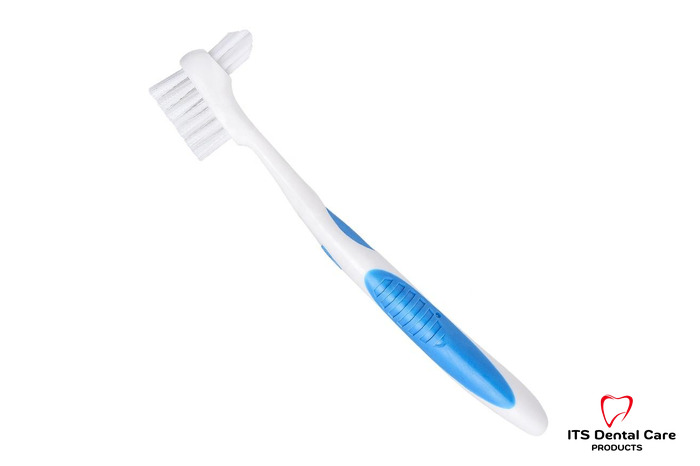



ITS Dental makes denture-care products and discusses product and packaging requirements with B2B buyers.