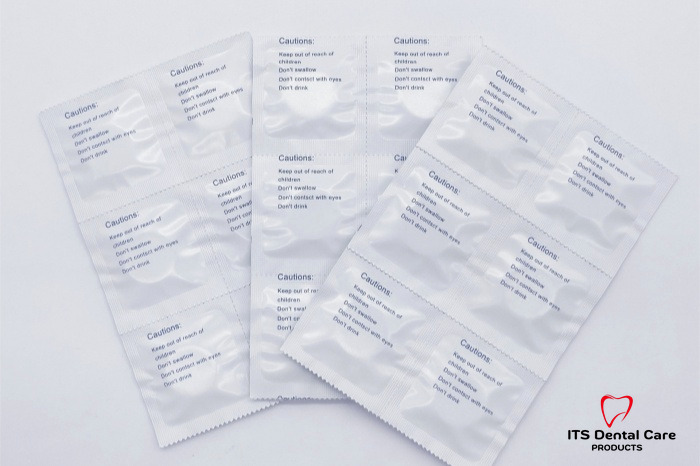
A packaging specification tells a denture-tablet supplier what to make and how a buyer will check it. “Foil pack with our logo” leaves open the material, tablet count, seal, print revision, coding area and shipping carton. Those gaps can turn an approved design into a disputed production order. Write the pack specification before you approve artwork or compare quotations.
Brand packaging managers should agree the pack fields with procurement before asking a supplier to quote. The final values belong in a signed product-and-pack specification supported by samples and tests for the selected formula; no universal foil thickness, tube size or shelf-life period can be assumed here.
Treat the document as a set of controlled references, not a promise that one supplier can offer every format. A buyer should be able to hand the same revision to product development, the printer, the pack supplier and the person inspecting finished goods. Each should know which component is approved, which characteristic still needs a value and who can authorize a change.
Which product and order route does the pack protect?
Begin with the formula or SKU revision, tablet format, tablets per consumer pack and destination market. Then name the commercial route. ITS Dental's existing denture-tablet formula starts at 5,000 retail boxes and can use branded outer packaging, but not customer-branded foil. A new custom formula starts at 1,000,000 tablets; customer-branded aluminum foil can be discussed for an approved project. Do not copy an artwork file from one route into another without checking the pack and claim scope.
The custom-formula page explains the current route distinction. A quotation should identify the approved formula, pack construction and order quantity together. If a tube or another format is proposed, ask for a separate feasibility and pack specification rather than treating it as an automatic substitute for foil.
A buyer may approve the tablet in a temporary plain sachet while the branded carton is still being designed. That decision can settle tablet appearance under the agreed sample method; it does not approve a printed sachet, a different film or a finished retail pack. Name each approval object in the specification so the purchase order cannot silently turn one accepted sample into approval of the entire saleable unit.
What belongs in the immediate-pack specification?
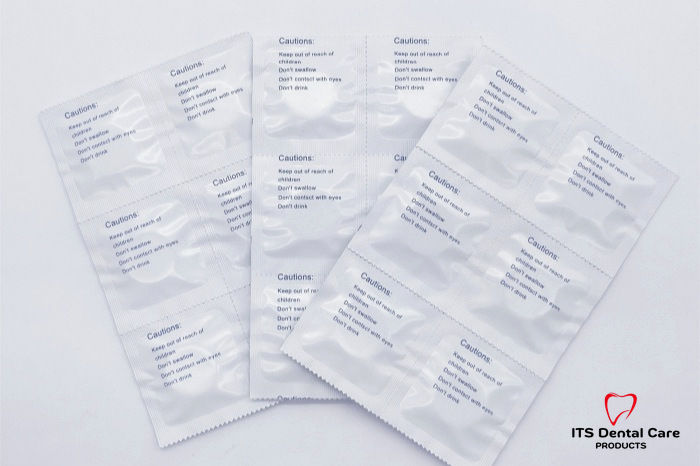
For a foil sachet or strip, record the material identification supplied by the converter, finished dimensions, tablet count, print side, opening feature, seal geometry and location of the lot/date code. Ask who owns the material drawing and how a material or supplier change is approved. Do not invent a barrier value or seal tolerance; request the method, target and evidence appropriate to the formula and claimed shelf life.
For a tube, the specification needs the tube and cap references, closure fit, any insert or desiccant, tablet count, label area and opening/closing expectations. The foil-versus-tube comparison helps choose a format. Describe the chosen format well enough that a sample, purchase order and incoming inspection all refer to the same pack.

Write the component reference at the level a supplier can reproduce. “Aluminum foil” alone does not identify a finished laminate, print orientation or seal construction. “Plastic tube” does not identify the tube, cap and closure combination. Ask the pack supplier for the applicable drawing and material identification, then put the agreed revision in the order file. Where a dimension, material property or tolerance is not yet known, assign an owner and decision date instead of copying a value from another product.
| Pack layer | Fields to record | Evidence or acceptance question |
|---|---|---|
| Foil or tube | Material/part code, drawing revision, dimensions, closure or seal | Which approved sample and test method define acceptance? |
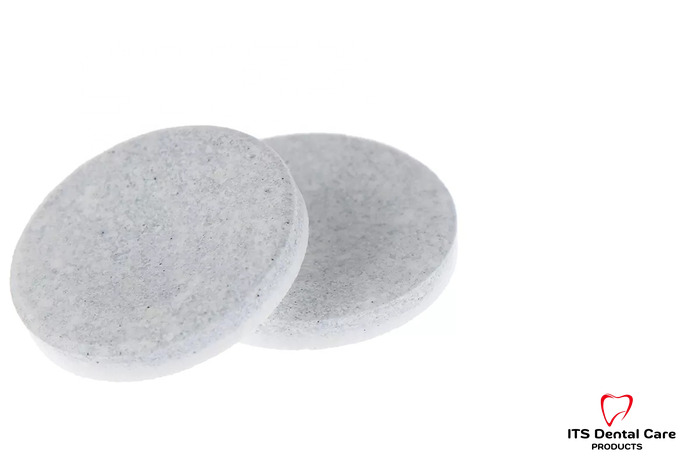
| Tablet unit | Tablets per cavity, sachet or tube; permitted breakage condition | How will count and visible condition be checked? |
| Print and code | Artwork revision, print orientation, lot/date location | Can the actual pack be read and traced? |
| Retail carton | Board/box reference, pack count, insert and barcode | Does the packed unit match the approved proof? |
| Master carton | Units per carton, marks, weight limits and pallet plan | Will receiving staff identify each SKU and lot? |
Use one unit of measure per field. Tablets per sachet, sachets per retail box, boxes per master carton and cartons per pallet are different counts. Put each count beside its component reference and check the arithmetic against the quotation. If a market needs a different retail count or language, give it its own SKU or pack revision rather than asking production to infer the version from a shared artwork filename.
What evidence should support moisture protection and shelf life?
Effervescent tablets and the immediate pack have to be assessed as a combination. Ask which formula and pack construction were used for any stability or moisture-protection evidence. A report on one laminate, seal or tube closure should not automatically support a different construction. Record the method, storage conditions, sample identity, observation points and acceptance criteria the project actually uses. Do not replace those fields with a generic statement that foil or a desiccant is “high barrier.”
For a foil design, the relevant questions may include material identification, seal integrity and whether the proposed print or code area can be produced without weakening the seal. For a tube, ask how the cap, any desiccant feature and repeated opening were considered in the pack assessment. Agree the actual test scope with the supplier and your quality team; tube formats should not be treated as interchangeable without evidence. The moisture-protection article explains the underlying risk, while the specification must state the evidence for your SKU.
Keep the shelf-life statement tied to the approved formula and packaging. ITS Dental's current custom-formula page states a three-year shelf life for approved aluminum-foil packaging; that statement should not be copied onto a proposed tube or a changed foil structure without project-specific confirmation. The signed specification should name the actual storage instructions and pack reference behind the label text.
How should the retail carton and barcode be specified?
Record carton dimensions after confirming the packed primary units and any insert. State the number of sachets or tubes per carton, closure style, tamper-evidence decision, print finish, language version and location of variable information. Keep the print proof tied to one product revision. If the product or market changes, the carton may need a different label even when its dimensions stay the same.
Ask the barcode owner for the correct identifier and intended scan environment. GS1's barcode quality guidance identifies placement, contrast, quiet zones and print defects as checks. The buyer should verify the final printed pack, not just a digital artwork file. The artwork approval guide covers copy, claims and sign-off; the packaging specification records the physical pack that carries that artwork.
Ask for a physical print proof at the intended size. The brand team can approve the visual design, while the barcode owner verifies the assigned code and scan performance on the printed material. A readable PDF does not prove that a folded carton can be scanned at checkout or that a lot code remains legible after packing. Keep the approved artwork revision, barcode source and physical proof together; if one changes, reopen the affected part of the approval.
The master carton also belongs in this document. State the retail units per carton, SKU and lot marks, carton dimensions, weight limit and any handling or pallet requirements agreed for the route to market. Buyers receiving mixed language or pack-count versions need a clear segregation rule. These fields give receiving staff a traceable reference; transport prices belong in the freight quotation.

Which checks belong before production release?
Agree what a trial pack must demonstrate: count, seal or closure condition, legibility, code placement, carton fit and any product-specific moisture-protection evidence. Name the sample size and acceptance method in the project documents. A hand-sealed mock-up may be useful for layout but should not be presented as proof of line-sealed performance. Record whether a change in film, cap, printer or line requires another trial.
Separate the approval gates before anyone signs. A flat print proof answers whether the words and design are correct. A physical pack sample answers whether the components fit and can be opened and read. A production-equivalent trial can address the agreed machine and seal checks. If only the first gate is complete, record the other two as open rather than writing “pack approved.” The person signing the artwork need not be the person accepting the pack's physical performance.
| Approval gate | Reference to retain | Not yet approved |
|---|---|---|
| Artwork and language | Dated print file, market version and named reviewer | Film, tube or carton performance |
| Physical pack | Component codes, assembled sample and dimensional check | Production-line sealing or closure performance |
| Production-equivalent trial | Trial identifier, method, results and accepted limits | A different formula, material supplier or artwork revision |
When does a pack change require another approval?
Put a revision number and effective date on the specification, drawing and artwork. If the film structure, foil supplier, seal geometry, tube closure, tablet count or retail language changes, list the affected documents and ask who must approve the new version. Some changes reopen only an artwork check; others may require a new physical sample or product-and-pack test. The decision should follow the characteristic that changed, not whether the revised unit looks similar in a photograph.
Record the old and new references in the same change note. For example, a new carton printer may leave the tablet and immediate pack unchanged but still require a print and barcode check. A new foil laminate can leave the graphics unchanged while reopening material, seal and shelf-life evidence. Agree the actual release path with the supplier in the order documents.
Keep an approved reference sample when practical, and state who holds it. The later sample approval checklist explains how buyers record what they accepted; the AQL inspection guide addresses a later shipment check. Neither can repair a packaging specification that never identified the approved material or count.
What should you send with an RFQ?
Send a product brief, target market, formula route, tablet count, preferred immediate pack, retail carton format, estimated order quantity and artwork status. Mark missing dimensions or tests as supplier to confirm rather than filling them with assumed numbers. Ask the supplier to identify component MOQs, tooling, print setup, trial requirements and change-control points in the quotation.
Add a simple status beside each open field: buyer-specified, supplier-proposed, sample-pending or approved. Request separate quotes when two pack constructions are genuinely under consideration. That makes it easier to compare like with like and to identify whether a price difference comes from the tablet, the pack, the print setup or the order configuration. The denture-tablet RFQ guide covers the wider commercial request; this packaging document supplies its component-level references.
ITS Dental can review a packaging brief against the selected tablet project. Use the contact form to send the route and pack questions; we will identify which specifications and samples need to be agreed before a production order is finalized.



ITS Dental makes denture-care products and discusses product and packaging requirements with B2B buyers.