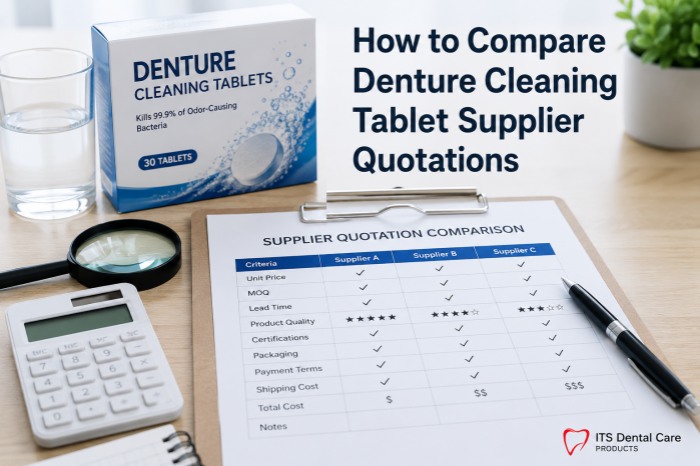
Two denture cleaning tablet quotations can show the same price per tablet and still represent very different products, risks, and total costs. One quote may include printed foil, testing, export cartons, and a proven formula; another may exclude those items or use a lighter tablet, fewer tablets per pack, weaker moisture protection, or different delivery terms.
This guide helps private-label brands, distributors, pharmacies, and sourcing teams normalize every denture cleaning tablet supplier quotation before selecting a supplier. The objective is not to find the lowest visible unit price. It is to identify the most suitable, verifiable offer at the lowest total commercial and quality risk.
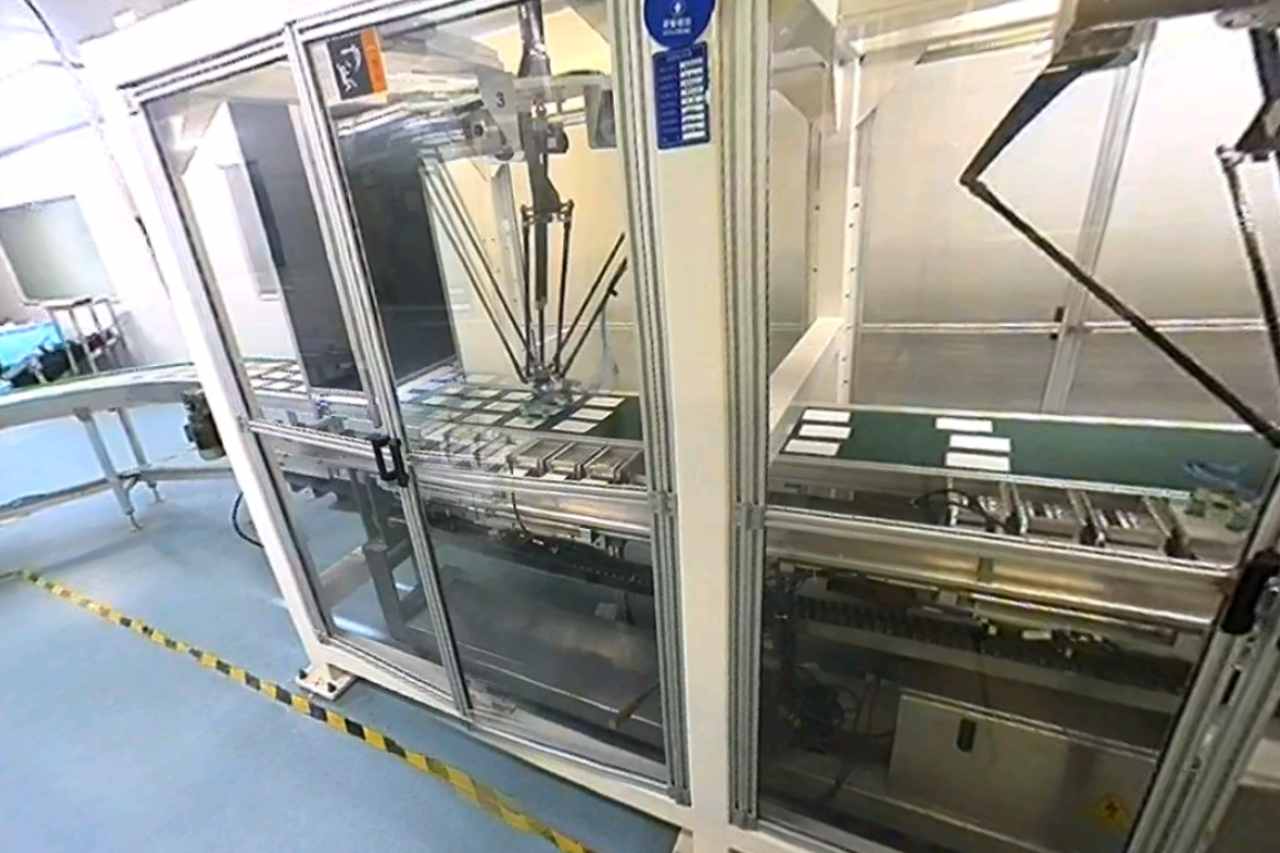
Figure 1. Production capacity and packaging configuration both affect a supplier quotation — View image source on ITS Dental Care
The Short Answer: Compare Like With Like
Before comparing price, place every supplier offer into one common specification. Confirm tablet weight, formula status, pack count, packaging material, printing, testing, carton configuration, MOQ, lead time, payment terms, Incoterm, and destination. Then calculate cost per retail pack and estimated landed cost—not only cost per tablet.
If one line is unclear, label it “not confirmed” rather than assuming it is included. A quotation becomes decision-ready only when product scope, compliance scope, commercial scope, and delivery scope are all explicit.
1. Standardize the Product Specification First
Ask all suppliers to quote against the same written product brief. Without a common specification, price comparisons are misleading. ITS Dental Care’s denture cleaning tablet product page illustrates the types of product and packaging choices that should be defined before quotation.
Minimum specification fields
Tablet weight, diameter, color, layers, fragrance or flavor profile, and target dissolution time.
Standard formula or custom formula, including which performance claims and target markets are expected.
Number of tablets per retail pack and number of retail packs per master carton.
Foil sachet, tube, pouch, carton, label, insert, desiccant, coding, and tamper-evidence requirements.
Expected annual volume, first-order quantity, replenishment frequency, and destination country.
Small differences matter. A heavier tablet uses more formula. A two-layer tablet can require different production settings. A custom fragrance, printed foil, or market-specific test package can increase development work, component MOQ, and lead time.
2. Compare Price Using Three Common Units
A useful quotation comparison calculates three price views: price per tablet, price per retail pack, and price per master carton. Each view catches a different mistake.
|
Price view |
Why it matters |
Common error |
|
Per tablet |
Normalizes tablet count and weight |
Comparing a 2.5 g tablet with a 3.0 g tablet |
|
Per retail pack |
Shows the sellable product cost |
Ignoring different pack counts or carton components |
|
Per master carton |
Supports freight and receiving estimates |
Using different packs-per-carton or carton sizes |
Also record net and gross carton weight, carton dimensions, and palletization where relevant. These details affect freight, warehouse handling, container utilization, and marketplace fulfillment fees.
3. Separate Formula Cost From Development Cost
A proven standard formula usually requires less development time and may support a lower practical MOQ. A custom formula can create differentiation, but it may add sample rounds, raw-material sourcing, compatibility work, stability work, testing, and documentation.
Questions to ask
Is the quoted price based on an existing standard formula or a newly developed formula?
How many sample rounds are included, and what triggers an additional development charge?
Are performance, compatibility, microbiological, and stability tests included or quoted separately?
Who owns the final specification, and how are formula changes controlled after approval?
Do not select a custom formula only because the initial sample fee looks low. Compare the complete route from development through validated mass production.

Figure 2. Formulation, sampling, and testing scope should be separated clearly in the quotation — View image source on ITS Dental Care
4. Examine Every Packaging Component
For effervescent denture tablets, packaging protects the product from moisture and is part of product performance. A quote should identify each included component and its specification.
Primary packaging: printed or plain foil, tube material and closure, pouch, or other moisture-barrier system.
Secondary packaging: printed carton, label, insert, leaflet, shrink film, or display box.
Shipping packaging: inner carton, master carton, dividers, pallet, edge protection, and stretch wrap.
Printing variables: number of colors, finishes, plate or cylinder charges, barcode, batch code, expiry code, and language versions.
Ask whether tooling, printing plates, cylinders, dies, and artwork setup are one-time charges, recurring charges, or refundable after a volume threshold. Confirm ownership and storage of tooling in writing.
5. Clarify Testing, Quality Documents, and Batch Release
The lowest quotation may exclude controls that another supplier includes. Request an itemized list of routine in-process checks, finished-product testing, third-party testing, and shipment documents. A factory operating under a relevant quality system should be able to explain how batches are reviewed and released; see the guide to ISO 13485 in denture care manufacturing.
Potential inclusions
Tablet appearance, weight variation, hardness or friability, dissolution, pH, and packaging seal checks.
Microbiological testing and any agreed performance or material-compatibility testing.
Certificate of Analysis, ingredient information, SDS, batch records, and retained samples.
Pre-shipment inspection, third-party inspection, or destination-market documents.
Testing requirements should match the product specification and intended market. Avoid paying for irrelevant reports, but do not remove necessary evidence merely to reduce the quoted price.
6. Understand MOQ by Component—not as One Number
A single MOQ often hides several constraints: formula batch size, tablet production efficiency, foil-printing quantity, tube or carton supplier MOQ, and the number of packaging language versions. The MOQ guide for denture cleanser manufacturing explains why different project configurations create different minimums.
Ask for the MOQ of the formula, each packaging component, each SKU, and the total order.
Ask whether excess printed packaging must be purchased, stored, or discarded.
Separate a pilot-order MOQ from a repeat-order MOQ.
Confirm price breaks using the same specification at each volume.
7. Compare Lead Time From the Same Starting Point
“30 days” is meaningless unless the start and finish points are defined. One supplier may count from deposit; another from formula approval, artwork approval, or receipt of printed packaging.
|
Stage |
What to record |
|
Development |
Brief confirmation, formula work, sample rounds, approval |
|
Packaging setup |
Dieline, artwork, proof, printing, component delivery |
|
Production |
Material preparation, tableting, packing, batch release |
|
Shipping readiness |
Inspection, documents, booking, warehouse handover |
Ask for both first-order lead time and repeat-order lead time. Include approval deadlines on the buyer’s side because delayed artwork or sample feedback can move the entire schedule.
8. Compare Incoterms and Freight Assumptions
EXW, FOB, CIF, DDP, and other trade terms allocate costs and risks differently. Compare offers only after confirming the named place or port and the applicable rule version. The International Chamber of Commerce Incoterms rules are the authoritative reference.
Named factory, port, airport, or final destination.
Export clearance, origin charges, freight, insurance, destination charges, duty, and tax responsibility.
Freight quotation validity period and whether it is estimated or booked.
Documentation, inspection, pallet, and special handling charges.
A lower CIF or DDP price is not automatically better if important destination charges, duties, or delivery-area surcharges are excluded. Ask for a written cost boundary.
9. Review Payment Terms and Cash-Flow Impact
Compare deposit percentage, balance timing, accepted payment method, currency, bank fees, sample charges, tooling charges, and credit terms for repeat business. A slightly higher product price may be commercially preferable if it reduces inventory exposure or improves payment timing.
When is the deposit due, and what work begins after payment?
Is the balance due before production, before shipment, against documents, or after receipt?
How long is the quotation valid, and what can trigger a price adjustment?
Are raw-material, packaging, exchange-rate, or freight changes handled by a defined mechanism?
10. Calculate Total Landed Cost and Risk-Adjusted Cost
Total landed cost combines the sellable product, packaging, tooling, testing, inspection, freight, insurance, duty, tax, destination charges, and domestic delivery. Risk-adjusted cost also considers likely losses from delay, poor seals, inconsistent tablets, incorrect artwork, missing documents, or an unusable batch.
A practical comparison can include a contingency score. Assign each supplier a low, medium, or high risk rating for specification clarity, quality evidence, packaging control, delivery reliability, and communication. Do not convert serious compliance or product-safety gaps into a small financial penalty; treat them as disqualifying criteria.
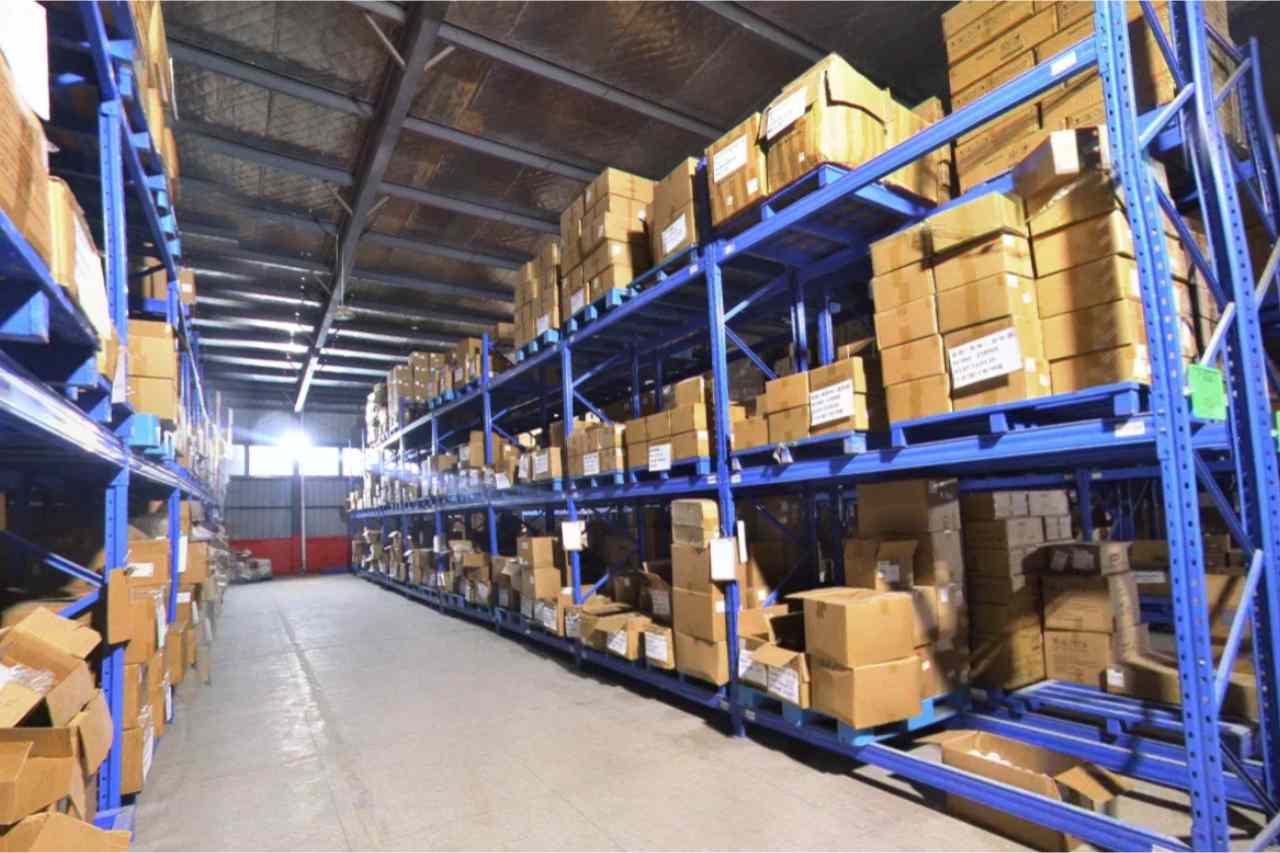
Figure 3. Carton configuration, warehouse handling, and shipment readiness influence total landed cost — View image source on ITS Dental Care
A Supplier Quotation Comparison Template
|
Category |
Supplier A |
Supplier B |
Supplier C |
|
Tablet specification |
Confirmed / gap |
Confirmed / gap |
Confirmed / gap |
|
Formula and testing scope |
|||
|
Retail and shipping packaging |
|||
|
MOQ and volume price |
|||
|
First / repeat lead time |
|||
|
Incoterm and named place |
|||
|
Payment terms |
|||
|
Estimated landed cost |
|||
|
Quality/commercial risk |
Send the same RFQ and comparison table to every shortlisted supplier. Require written clarification for blank or ambiguous fields. After the commercial comparison, verify the factory, approve samples, confirm the specification and artwork, and document change-control expectations before placing the order.
Red Flags in a Denture Tablet Quotation
A very low price without tablet weight, formula status, or packaging specification.
“All certificates included” without naming the documents, legal entity, scope, or validity.
One MOQ that ignores printed foil, cartons, multiple SKUs, or custom raw materials.
A lead time with no defined start point or approval milestones.
FOB, CIF, or DDP without a named port or destination and written inclusions.
No defined batch testing, COA, sample approval, defect remedy, or change control.
Final Takeaway
The best quotation is the one that makes the complete product and commercial boundary easy to verify. Normalize the specification, calculate pack and landed costs, separate one-time and recurring charges, and evaluate quality and execution risk. This turns quotation comparison from a price contest into a defensible purchasing decision.
For a project-specific quote, review the ITS Dental Care denture cleaning tablet options, prepare your target specification and annual forecast, and consult the buyer FAQ before requesting samples and pricing.



ITS Dental is a trusted manufacturer of high-quality denture care products, including denture cleaning tablets, adhesive creams, and retainer cleaning solutions, offering customized services for global partners.