A polished website, a complete catalog, and a competitive quotation do not prove that a dental-product supplier owns a factory. Some companies manufacture, some trade, and some combine both models. Any model can serve buyers well—but only when the supplier’s role, responsibility, and control are transparent.
This guide shows importers, private-label brands, pharmacies, and dental distributors how to investigate a dental products manufacturer vs trading company before approving samples or placing an order. The goal is not to reject every intermediary. It is to know who actually makes the product, who controls quality, and who is accountable when specifications change or a batch fails.

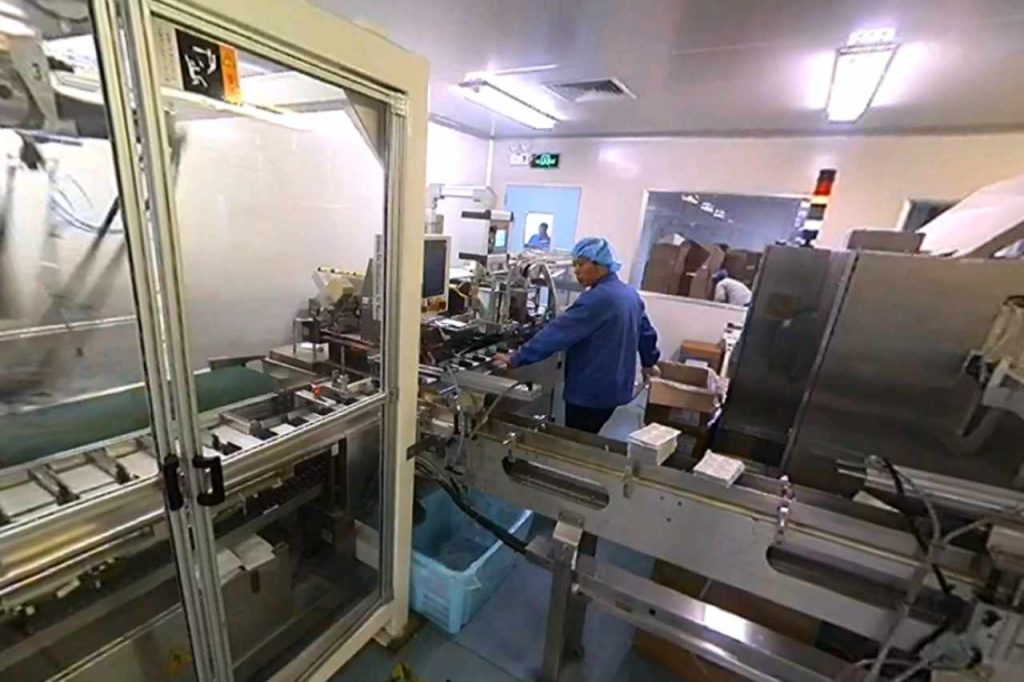
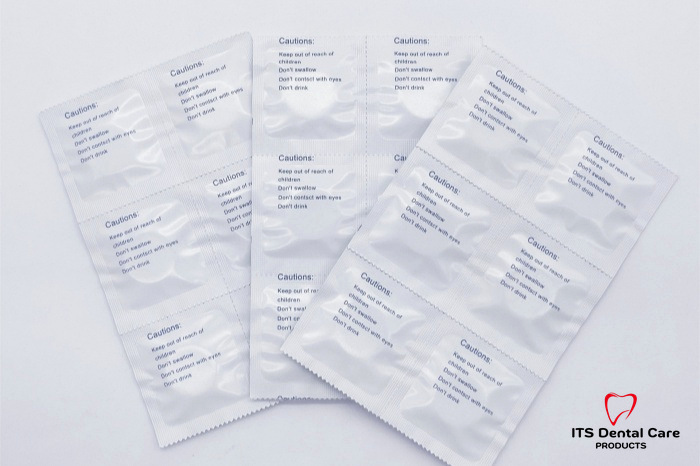
Figure 1. Verify the legal entity, address, and operating site behind a supplier’s factory claims — View image source on ITS Dental Care
The Short Answer: Follow the Evidence Chain
The strongest verification method is to follow one evidence chain from legal entity to production site to finished batch. The company name and address should connect logically across business registration, quality certificates, regulatory records, product labels, batch documents, invoices, export records, and bank details.
A single mismatch is not automatic proof of deception: manufacturers may use an affiliated export company, contract out a specialized step, or operate more than one site. However, every mismatch needs a clear written explanation supported by documents.
Manufacturer, Trading Company, or Hybrid Supplier?
|
Supplier model |
Typical role |
Buyer’s main verification question |
|
Manufacturer |
Owns or operates production and quality processes |
Does the quoted legal entity control this product and site? |
|
Trading company |
Sources products from one or more factories |
Which factory makes the product, and who controls changes and complaints? |
|
Hybrid supplier |
Manufactures some products and trades others |
Which exact SKUs are produced in-house? |
Do not rely on the company label alone. A manufacturer may outsource printing, sterilization, or laboratory testing. A trading company may have excellent supplier controls. What matters is whether the supply chain is disclosed and whether responsibilities are documented.
1. Compare the Legal Company Name Everywhere
Start with the supplier’s full registered name in the local language and English, unified registration number where applicable, and registered address. Compare it with the entities shown on the quotation, contract, invoice, bank account, export declaration, product label, certificates, and test reports.
Ask which entity signs the sales contract and receives payment.
Ask which entity owns or operates the production site.
Ask whether the exporter, manufacturer, and brand owner are different companies.
Document the relationship between affiliated companies instead of accepting a verbal explanation.
2. Verify the Factory Address and Certificate Scope
A certificate can be authentic yet irrelevant to the quoted product or location. Check the legal entity, site address, certificate number, validity dates, issuing body, and scope. The scope should reasonably cover the manufacturing activity and product category under review.
For quality-system context, review ITS Dental Care’s guide to ISO 13485 for denture care manufacturers. Buyers should verify certificates with the issuing body where possible and ask the supplier to explain how document control, batch release, nonconformance, corrective action, and change control operate at the named site.
3. Request a Live, Product-Specific Video Audit
Recorded factory videos can be reused by anyone. A live audit is more useful because the buyer can direct the route and ask spontaneous questions. Request a continuous walkthrough from the exterior signage and reception area to raw-material storage, weighing, blending, tableting or filling, packaging, laboratory, quarantine area, finished-goods warehouse, and shipment staging.
Ask the host to show today’s date and the company name at the site.
Request close views of room labels, equipment identification, status labels, and batch documentation—without exposing another customer’s confidential data.
Ask an operator or quality employee to explain one process step.
Compare the live layout with addresses, certificates, earlier photos, and audit documents.
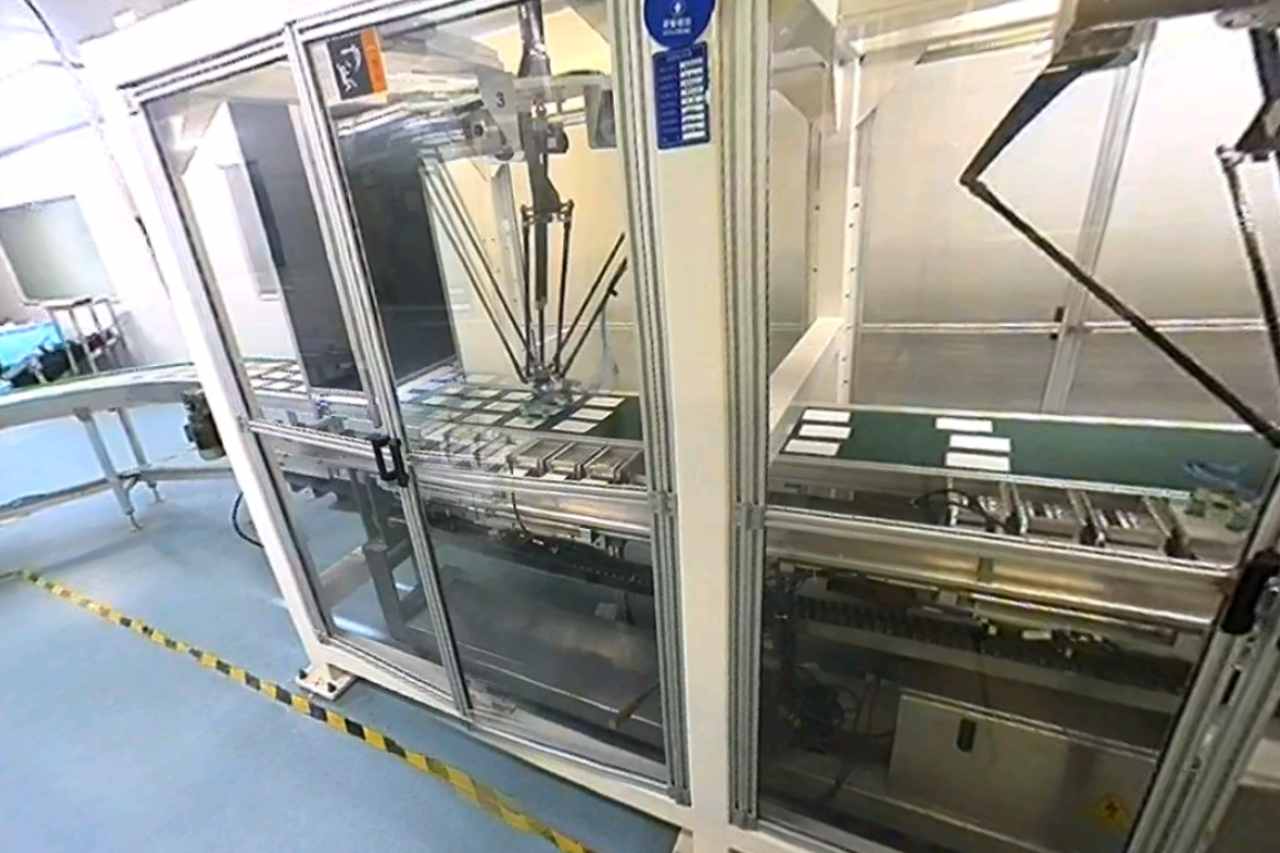
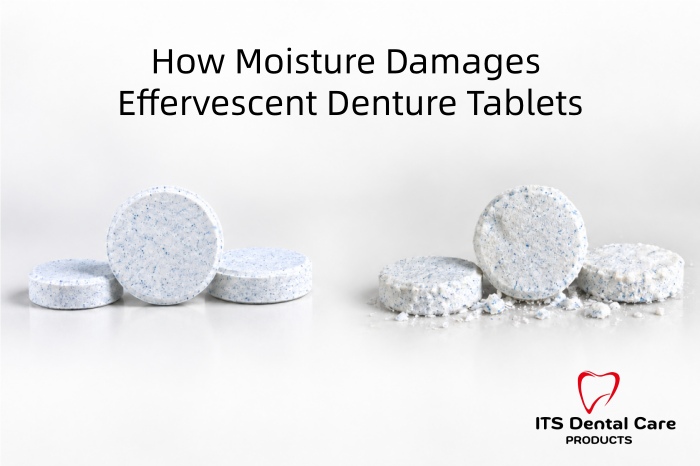
Figure 2. A live audit should connect the quoted product to real equipment and controlled production areas — View image source on ITS Dental Care
4. Ask for Product-Specific Production Records
A genuine manufacturing operation should be able to describe how the quoted item moves through production. Request an anonymized manufacturing flowchart, batch record sample, in-process inspection form, line-clearance record, equipment list, calibration evidence, and finished-product release record.
For denture cleaning tablets, the evidence may cover raw-material dispensing, blending, compression, weight and hardness checks, dissolution or pH checks, foil or tube packaging, seal checks, coding, cartoning, sampling, and batch release. The records should relate to the actual product type—not an unrelated item made elsewhere.
5. Trace a COA Back to the Batch
A Certificate of Analysis should identify the manufacturer or responsible laboratory, product, batch number, production or test date, specification, test methods or references, results, acceptance criteria, and approval. Ask the supplier to connect an anonymized COA to a matching batch record and retained sample.
Check whether the company named on the COA matches the declared manufacturer or laboratory.
Confirm which tests are performed in-house and which are outsourced.
Ask who reviews and releases the batch.
Reject generic templates that contain no batch-specific results or authorization.
6. Compare Samples With Mass-Production Controls
A supplier may source an excellent sample from one factory and produce the order elsewhere. Reduce this risk by approving a signed specification and golden sample, recording packaging details, and requiring the manufacturer and production site to remain unchanged without written approval.
During pilot production, compare tablet weight, appearance, dissolution, odor or flavor profile, packaging seals, printed artwork, coding, carton configuration, and shipment condition with the approved sample. For a private-label project, the MOQ and production configuration should also align with the stated equipment and packaging route.
7. Check Regulatory Records Without Misreading Them
Regulatory databases may help identify a legal entity, address, product listing, or market role, but registration is not the same as product approval or proof of current manufacturing capability. In the United States, establishment registration and device listing should not be described as “FDA certification.”
Use official databases and compare the entity information with the supplier’s documents. ITS Dental Care’s guide to verifying FDA registration for Chinese dental suppliers explains common wording and verification mistakes. Ask who holds each registration, who appears on the label, and who carries post-market responsibilities.
8. Review Commercial and Export Documents
The sales entity does not always need to be the factory entity, but the relationship must be transparent. Compare the proforma invoice, contract, bank beneficiary, commercial invoice, packing list, certificate of origin, bill of lading or airway bill, and export declaration where available.
Do payment instructions match the contracted company or an explained affiliate?
Does the shipping document identify a different exporter or consolidator?
Who owns printed packaging, tooling, and finished goods before shipment?
Who is contractually responsible for defects, recalls, and regulatory questions?
9. Test Technical Communication
A trading company often needs time to relay technical questions to the factory. That is not necessarily a problem, but vague, immediate answers to every technical question can be a warning sign. Ask questions that require coordination across sales, R&D, quality, packaging, and production.
What changes when tablet weight or dissolution time is adjusted?
How is moisture controlled during production and packing?
Which acceptance criteria determine batch release?
What customer approval is required before formula, raw material, or packaging changes?
Good suppliers distinguish facts from estimates, identify the responsible department, and provide written confirmation rather than improvising.
10. Use a Controlled Pilot Order
The final verification is performance. A pilot order reveals whether the approved sample, manufacturing records, packaging, documentation, communication, and shipment execution come from one controlled supply chain. Record deviations and require corrective action before increasing volume.
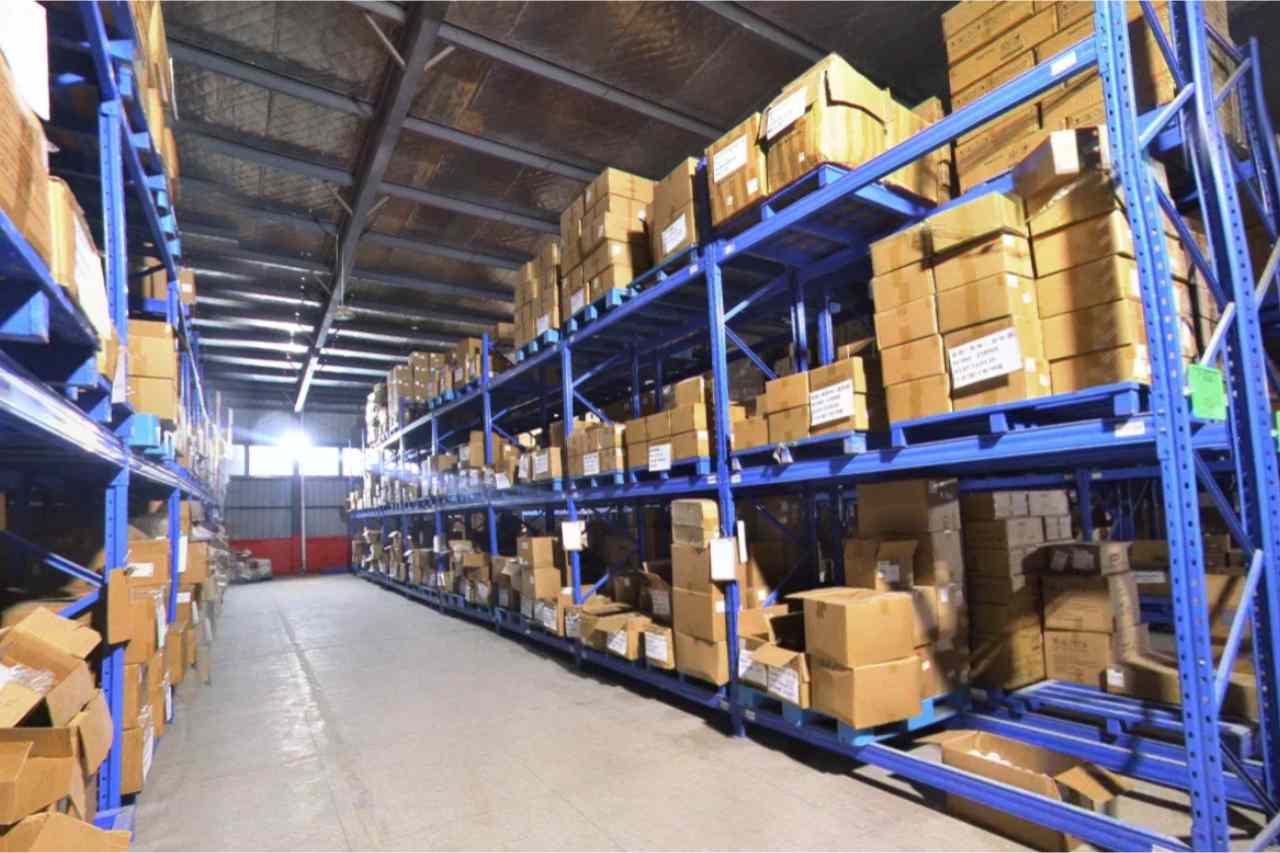
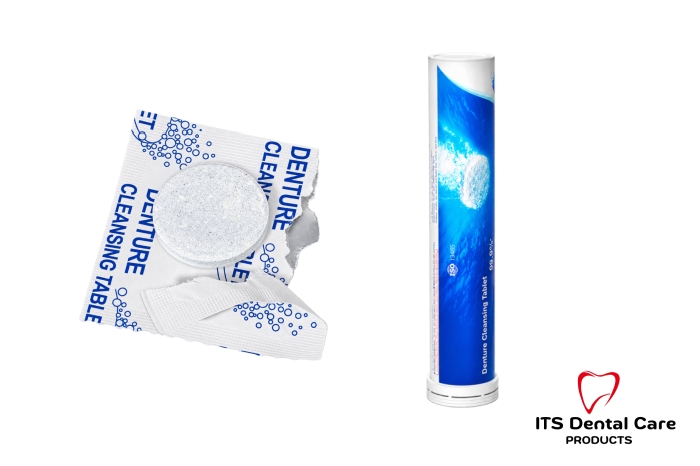
Figure 3. Finished-goods traceability and warehouse control help verify a real operating supply chain — View image source on ITS Dental Care
A 12-Point Verification Checklist
Registered legal name and business license verified.
Factory address matches relevant certificates and audit evidence.
Certificate number, validity, issuing body, and scope verified.
Manufacturer, exporter, contract party, and bank beneficiary relationships explained.
Live product-specific factory audit completed.
Production flow and equipment match the quoted product.
Anonymized batch and inspection records reviewed.
COA traced to a real batch, method, reviewer, and retained sample.
Golden sample and signed specification approved.
Regulatory records interpreted correctly for the target market.
Change control and complaint responsibility agreed in writing.
Pilot order demonstrates repeatability and documentation accuracy.
Red Flags That Require Further Investigation
The supplier refuses to disclose the manufacturing site.
Different company names appear without a documented relationship.
The certificate scope or address does not match the quoted product or site.
Only edited videos or catalog photos are available; live viewing is refused.
Batch records, COAs, and test reports look generic or cannot be connected.
Payment is requested to an unrelated personal or third-party account.
The supplier changes the factory, formula, or packaging without approval.
Final Takeaway
The question is not simply “factory or trader?” The better question is: who manufactures this exact product, who controls its specification and quality, and who is accountable under the contract? Follow the evidence chain, resolve every entity mismatch, and verify the process with a pilot order.
Buyers can review ITS Dental Care’s factory and R&D profile, explore the denture care product range, and consult the buyer FAQ before requesting product-specific documents, samples, and a quotation.
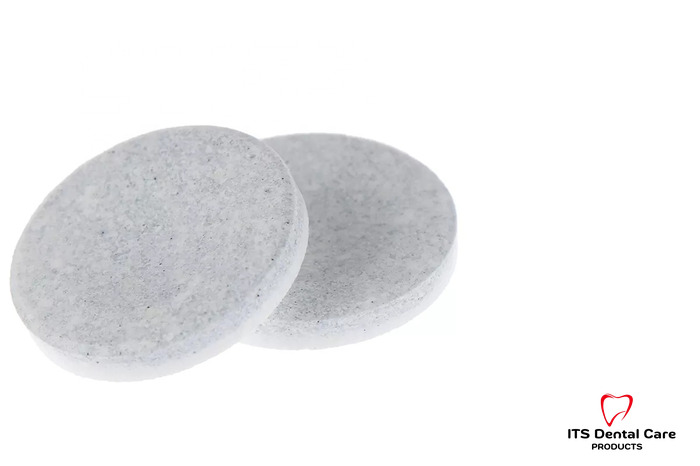


ITS Dental is a trusted manufacturer of high-quality denture care products, including denture cleaning tablets, adhesive creams, and retainer cleaning solutions, offering customized services for global partners.