A remote audit cannot reproduce every observation available during an on-site visit, but it can reveal whether a denture care supplier has a coherent, traceable operation before a buyer spends money on travel, samples, tooling, or a pilot order. The audit is most useful when it combines advance document review, a live buyer-directed walkthrough, real-time record sampling, and written follow-up.
This guide gives importers, distributors, pharmacies, and private-label brands a practical remote dental factory audit sequence. It is designed to verify the site, people, equipment, raw materials, production, packaging, laboratory, warehouse, batch records, and certificates connected to the exact product being sourced.
The Short Answer: Audit One Evidence Chain
Do not treat the audit as a virtual factory tour. Start with the contracted legal entity, connect it to the physical site, then follow one representative product and batch from approved raw materials through production, testing, packaging, release, storage, and shipment. Every important claim should be supported by a live observation, a controlled record, or an independently verifiable source.
ISO 19011 provides general guidance for auditing management systems, and joint ISO/IAF guidance on remote audits recommends assessing the feasibility and risks of information and communication technology before relying on remote techniques. A buyer audit is not certification, and a remote review should not be described as a substitute for every required regulatory or certification audit.

1. Define the Audit Scope Before the Call
A useful scope names the supplier entity, site address, product family, manufacturing steps, packaging formats, intended markets, applicable requirements, and time period for the records to be sampled. If the supplier operates multiple sites or outsources any step, identify each location and responsible company before scheduling.
Send a pre-audit request list
- Business license, site address, organization chart, and key quality contacts.
- Current quality certificates, certificate scope, issuing body, and validity dates.
- Product flowchart, site layout, equipment list, and manufacturing or packaging steps performed off-site.
- Approved supplier procedure, incoming inspection procedure, batch record template, finished-product specification, COA template, nonconformance procedure, CAPA procedure, complaint procedure, and change-control procedure.
- Recent anonymized examples of a released batch, a deviation or nonconformance, and the resulting corrective action.
Request documents several working days in advance. Use them to build questions and select records for live verification; do not spend the entire video call reading documents that could have been reviewed beforehand.
2. Test the Technology and Protect Confidential Information
Agree on the video platform, backup connection, camera orientation, audio, translation needs, time zone, recording permission, confidentiality rules, and areas that cannot be filmed. Ask for a mobile connection that can move through the facility, not only a meeting-room webcam.
- Run a 10–15 minute connection test with the person who will carry the camera.
- Ask the supplier to cover other customers’ names while keeping batch numbers, dates, status labels, and approvals visible.
- Use screenshots or recordings only with written permission and store audit evidence securely.
- Prepare a backup method for sharing records if video resolution is insufficient.
If the connection repeatedly prevents the auditor from seeing labels, records, or spontaneous locations, record that limitation. A limitation is an audit result—not a reason to assume conformity.
3. Open With Identity, Site, and Personnel Verification
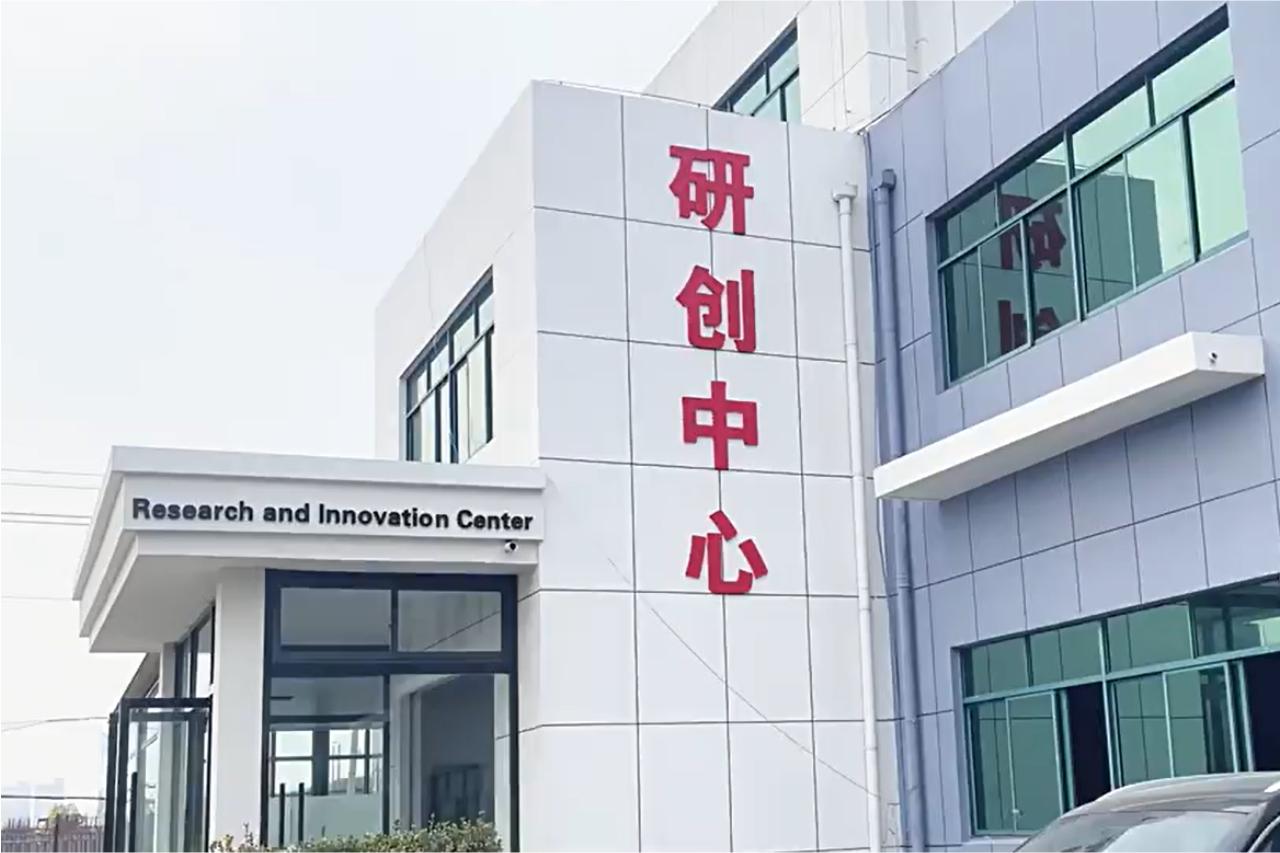
Begin with exterior signage, building number, reception, and a live view of the site address where practical. Confirm the host’s name, position, department, and authority. Ask quality, production, laboratory, and warehouse representatives to introduce themselves and explain their responsibilities.
Compare the entity and address with the contract, bank beneficiary, certificates, product labels, and regulatory records. For U.S. medical-device records, use the official FDA registration and listing search, but remember that registration or listing does not mean FDA approval. ITS Dental Care’s guide to verifying FDA registration for Chinese dental suppliers explains common interpretation mistakes.
4. Walk the Material Flow, Not the Marketing Route
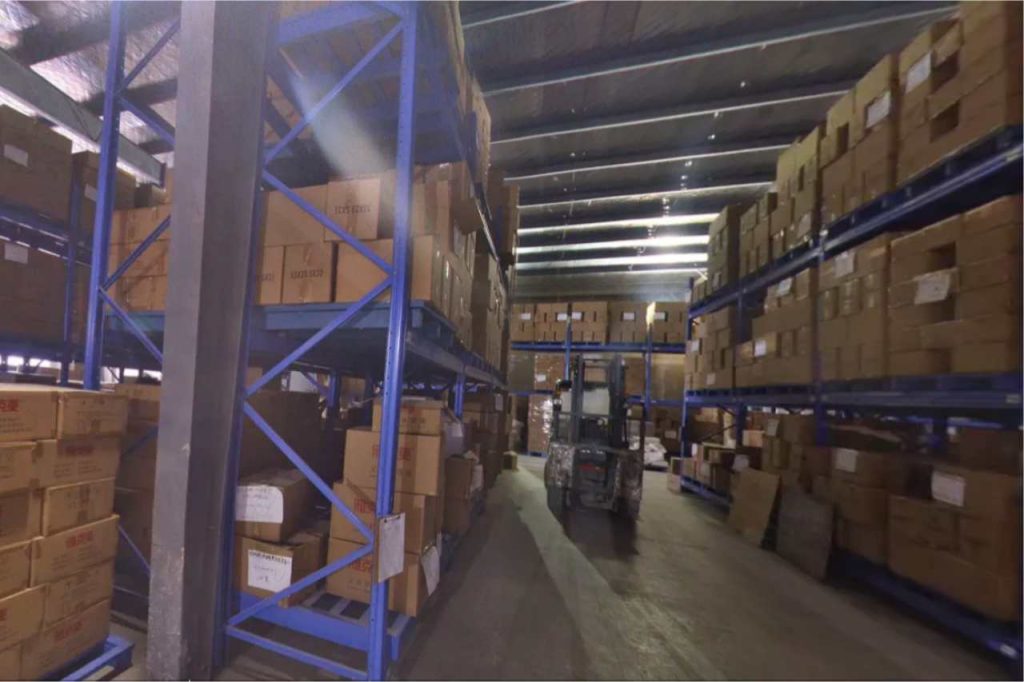
Ask the camera operator to follow the real material flow. A continuous route makes it harder to substitute unrelated photos or selected demonstration areas. The buyer should choose spontaneous turns, labels, and records during the walkthrough.
Raw materials and quarantine
- Separate receiving, quarantine, approved, rejected, and returned materials.
- Select one ingredient or packaging component and view its supplier label, internal lot number, status, expiry or retest date, storage condition, and incoming inspection record.
- Check weighing controls, line clearance, environmental controls where relevant, and prevention of mix-ups or moisture exposure.
Production and in-process control
- Match equipment names and identification numbers with the equipment list and maintenance or calibration status.
- For denture cleaning tablets, follow dispensing, blending, compression, weight checks, dissolution or other agreed testing, primary packaging, coding, cartoning, and line clearance.
- Ask an operator to explain what happens when a result is outside specification. Compare the answer with the written procedure.
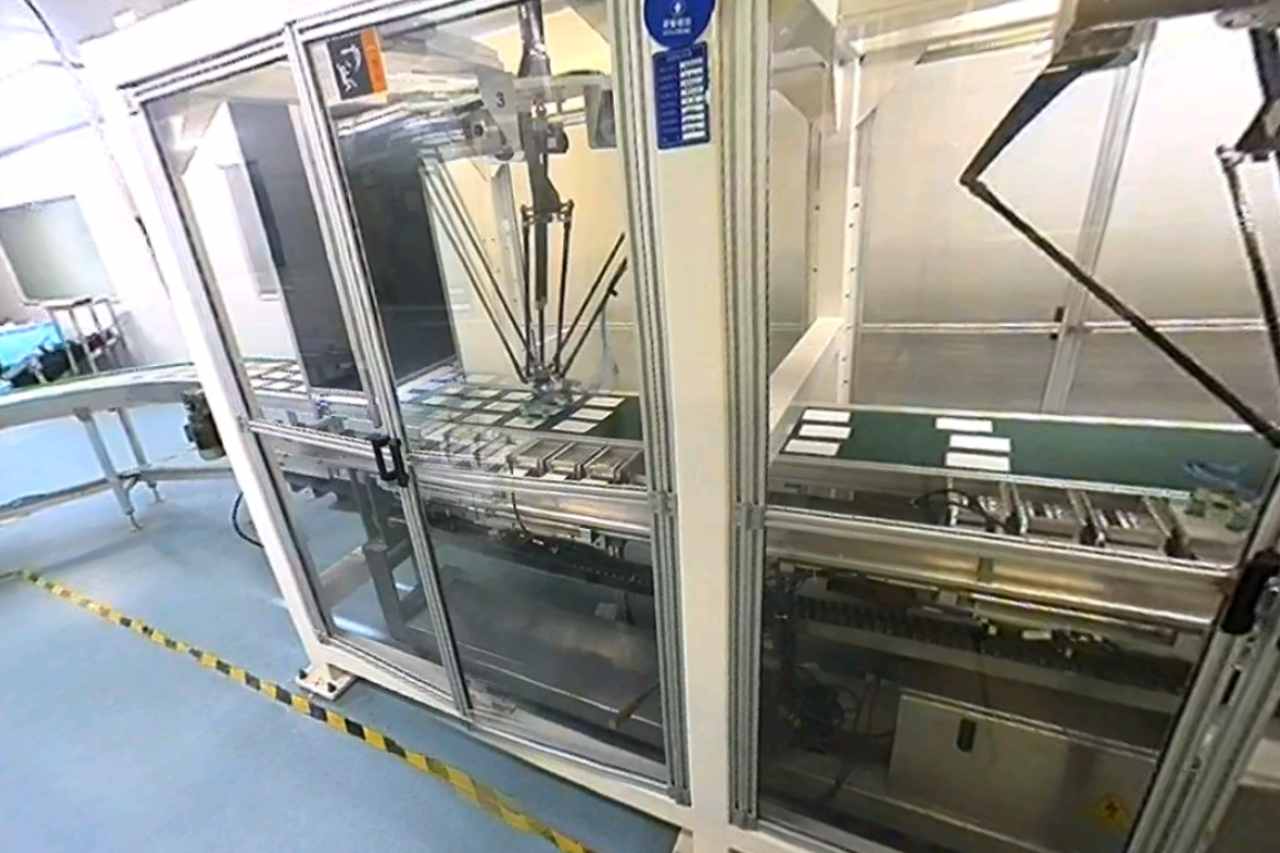
Packaging and label control
- Confirm how approved artwork, language versions, barcodes, batch codes, expiry dates, and obsolete components are controlled.
- Ask to see reconciliation of issued, used, damaged, and returned printed materials for one batch.
- Check seal inspection, moisture protection, count verification, and line-clearance records appropriate to the pack format.
5. Audit the Laboratory and Sample Controls
A laboratory tour should connect methods, equipment, standards, people, and records. Review instrument identification, calibration or verification status, reagent or reference-material control, test methods, raw data, calculations, result review, retained samples, and out-of-specification handling.
Select a recent COA and ask the laboratory to open the corresponding raw-data record. Confirm the product, batch, test date, method, acceptance criteria, actual result, analyst, reviewer, and instrument. If testing is outsourced, review the laboratory’s qualification and how the manufacturer reviews external results before batch release.
6. Perform a Live Batch-Traceability Challenge
The strongest remote-audit exercise is an unannounced traceability challenge. Select a finished product lot visible in the warehouse or a recent shipment, then ask the team to retrieve the records that connect it to materials, production, testing, packaging, release, and shipment.
| Traceability point | Evidence to request | What should match |
|---|---|---|
| Finished product | Pallet/carton label, batch number, quantity, status | Batch record and warehouse system |
| Raw materials | Material lots and dispensing record | Incoming inspection and approved status |
| Production | Master/batch record and in-process checks | Dates, equipment, operators, quantities |
| Laboratory | Raw data and COA | Methods, results, analyst, reviewer |
| Packaging | Artwork version, coding, reconciliation | Approved specification and batch |
| Release/shipment | Release authorization and shipping record | Released quantity and customer order |
Record how long retrieval takes and whether documents are internally consistent. A polished template is less valuable than a complete, batch-specific record that can be produced promptly.
7. Review Warehouse and Status Control
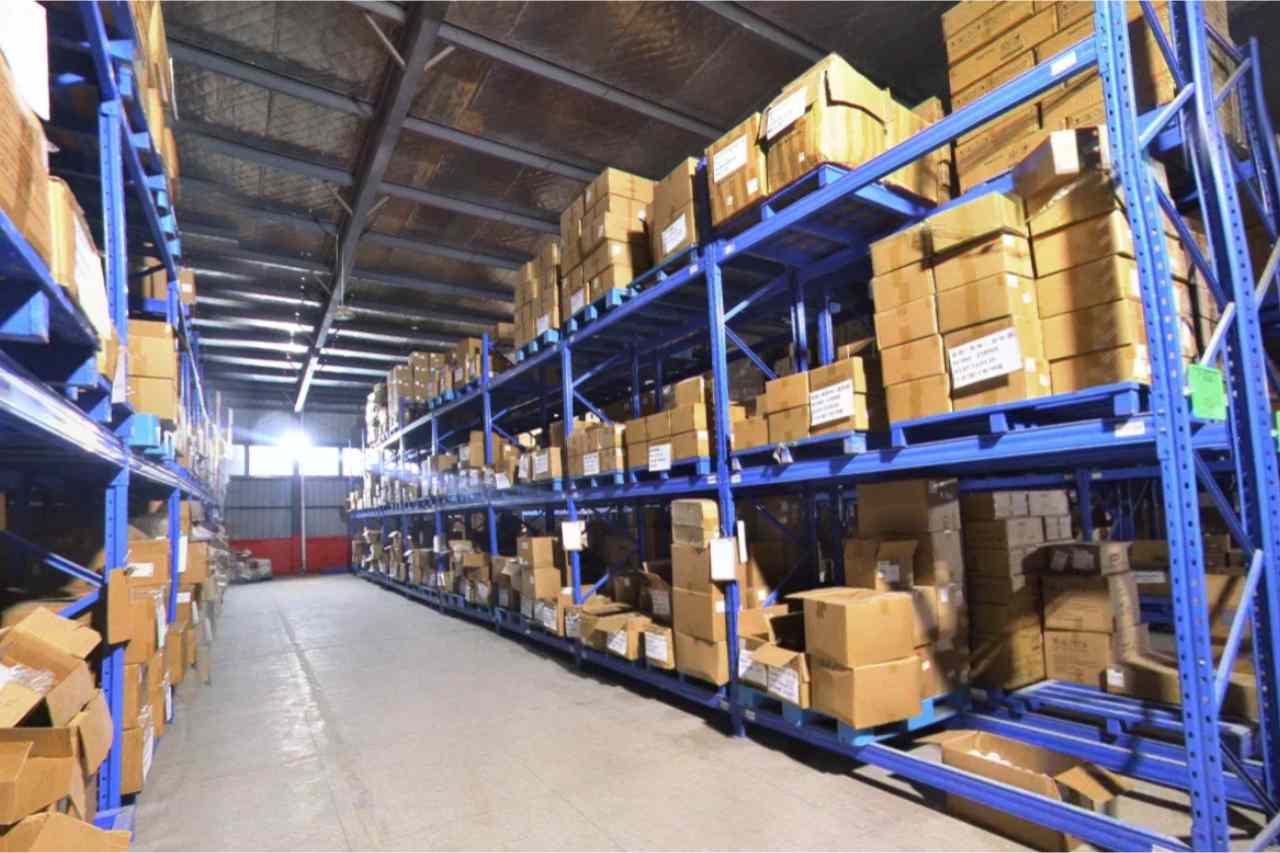
Visit incoming, quarantine, released, rejected, returned, and finished-goods areas. Check physical segregation or electronic status controls, location labels, environmental monitoring where required, stock rotation, pest control, damaged-goods handling, and shipment staging.
Ask the warehouse employee to locate the lot used in the traceability challenge without advance warning. Compare the physical quantity and status with the inventory record. Confirm that unreleased material or finished goods cannot be issued accidentally.
8. Verify Certificates and Quality-System Ownership
A certificate is only useful when its legal entity, site address, scope, status, and issuing body relate to the quoted activity. Verify certificates with the issuing body or accreditation route where possible. Review ITS Dental Care’s explanation of ISO 13485 for denture care manufacturers to understand which details buyers should compare.
- Ask who controls documents, training, deviations, CAPA, complaints, change control, internal audits, management review, and batch release.
- Confirm whether the product and production steps fall within the relevant certified site and scope.
- Sample one training record and one controlled procedure revision to check approval, effective date, and distribution.
- Do not accept “FDA certified” wording based only on establishment registration or device listing.
9. Interview People With Scenario Questions
Prepared presentations reveal policies; scenario questions reveal whether people understand them. Ask the operator, quality reviewer, and warehouse employee what they would do if a tablet-weight check failed, a packaging code was wrong, a raw material arrived damaged, or a customer reported an unexpected odor.
Good answers identify containment, documentation, investigation, disposition authority, corrective action, customer communication, and change control. Different departments should give compatible answers even if their responsibilities differ.
10. Close With Findings, Evidence Gaps, and Next Actions
Classify each result as conforming, observation, minor nonconformity, major nonconformity, or not verified—using definitions agreed before the audit. For every finding, cite the requirement, objective evidence, affected product or process, owner, corrective action, and due date.
Do not close a gap merely because the supplier sends a new document. Check whether the action addresses root cause and whether implementation is effective. Serious identity, traceability, data-integrity, contamination, or batch-release concerns should block supplier approval until resolved and independently verified.
A 15-Point Remote Factory Audit Checklist
- Scope names the legal entity, site, product, processes, and intended markets.
- Pre-audit documents were reviewed and sample records selected.
- Technology, confidentiality, recording, and backup arrangements were tested.
- Exterior/site identity and key personnel were verified live.
- Walkthrough followed a continuous, buyer-directed material flow.
- Raw-material status, lot control, storage, and incoming inspection were sampled.
- Equipment identity and maintenance/calibration status matched records.
- In-process checks and response to failures were demonstrated.
- Artwork, coding, packaging reconciliation, and line clearance were reviewed.
- Laboratory raw data were traced to a batch-specific COA.
- A live batch-traceability challenge was completed.
- Warehouse segregation, release status, and inventory accuracy were checked.
- Certificate entity, address, scope, validity, and issuer were verified.
- Findings, evidence gaps, owners, actions, and deadlines were documented.
- A pilot order, on-site audit, or third-party audit was scheduled when risk requires it.
Red Flags During a Remote Audit
- Only edited videos are allowed and spontaneous live viewing is refused.
- The legal entity, address, certificate holder, exporter, or bank beneficiary cannot be reconciled.
- The host repeatedly avoids room labels, equipment IDs, status labels, dates, or batch numbers.
- Records are generic, created during the call, or cannot be linked to one finished lot.
- Operators cannot explain basic deviation, segregation, or line-clearance controls.
- The sample process shown does not match the quoted product or packaging format.
- The supplier pressures the buyer to approve before findings are closed.
When a Remote Audit Is Not Enough
Use the remote audit as one element of supplier qualification. An on-site or qualified third-party audit may still be necessary for high-risk products, new or complex processes, serious remote findings, inaccessible evidence, major changes, repeated quality failures, or specific customer and regulatory requirements. Samples, specifications, testing, contracts, and a controlled pilot order should support—not replace—the audit.
Final Takeaway
A successful remote audit does not depend on cinematic video. It depends on control of the route, spontaneous evidence sampling, and a traceable link between the supplier’s claims and one real product batch. Define the scope, test the connection, follow the material flow, challenge traceability, and close every evidence gap before approval.
Buyers can review ITS Dental Care’s factory and R&D profile, explore its denture care product range, and use the buyer FAQ to prepare product-specific questions, document requests, samples, and a pilot order.
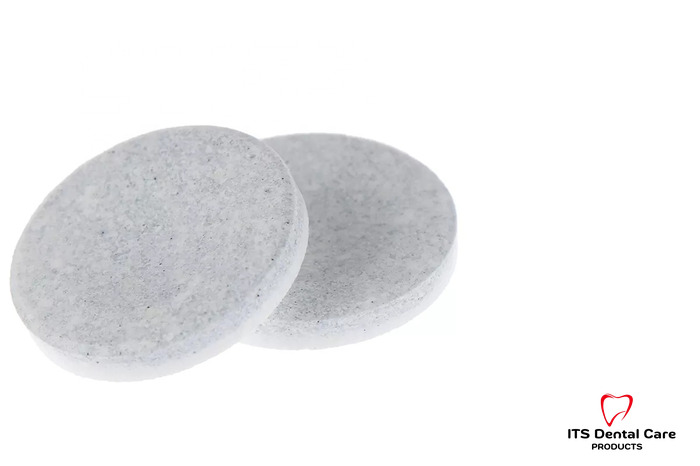
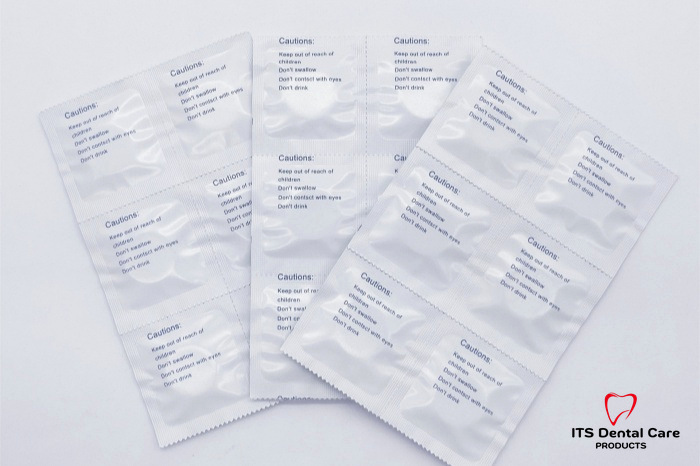

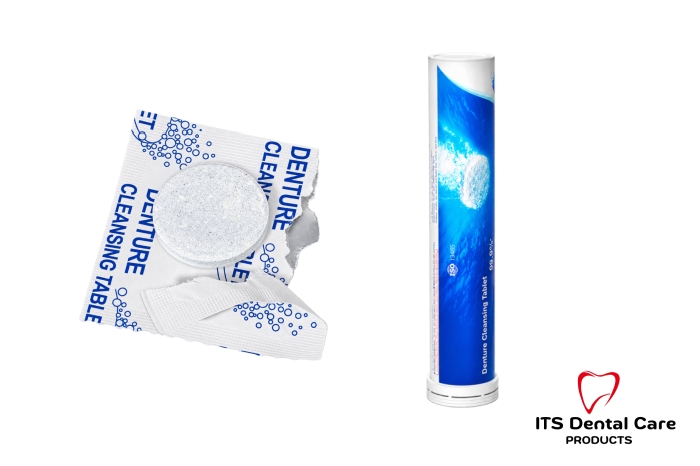


ITS Dental is a trusted manufacturer of high-quality denture care products, including denture cleaning tablets, adhesive creams, and retainer cleaning solutions, offering customized services for global partners.